Dog Breeds
Pug Genetics: Brachycephaly, PDE Risk, and the Double-Curl Tail Gene
The most significant pug-specific genetic considerations are brachycephaly (caused primarily by variants in the BMP3 gene that shorten the skull),…
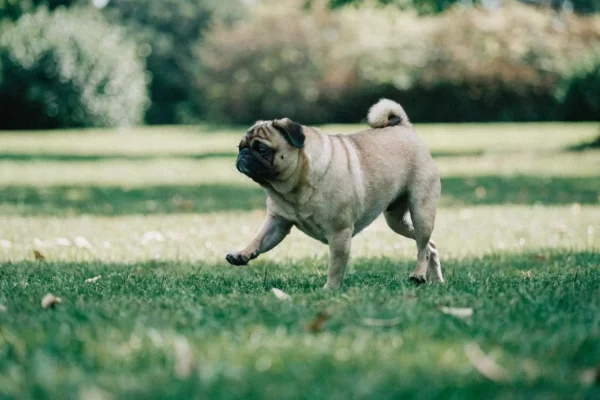
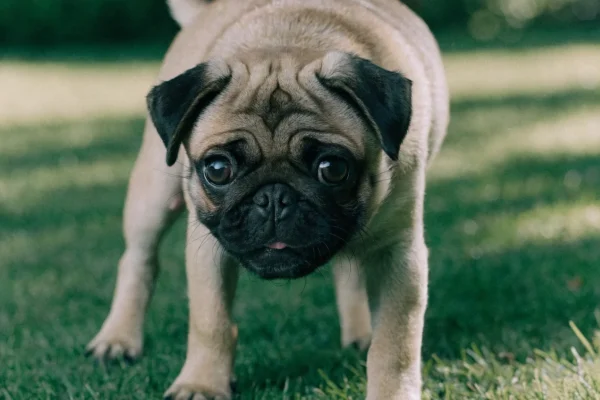
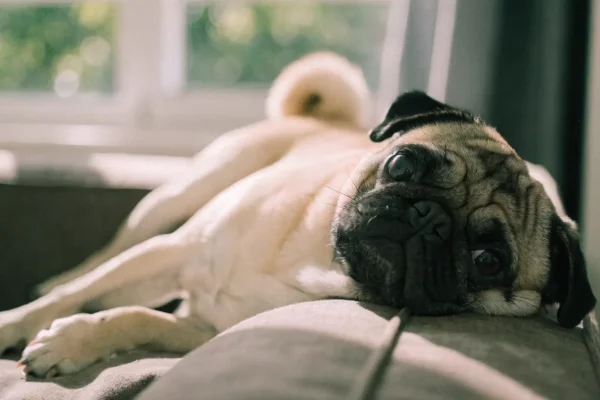
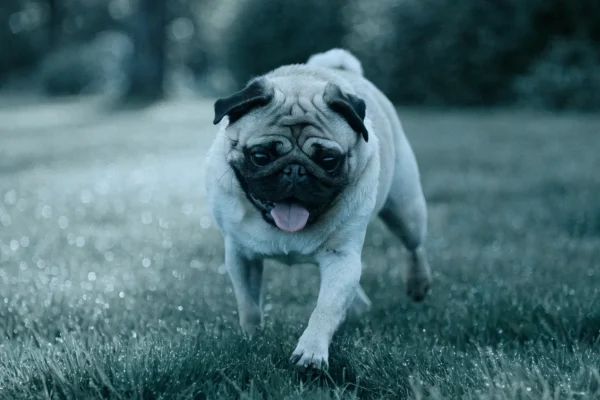
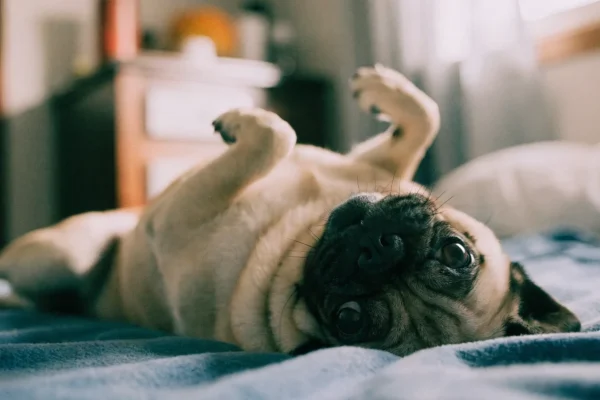
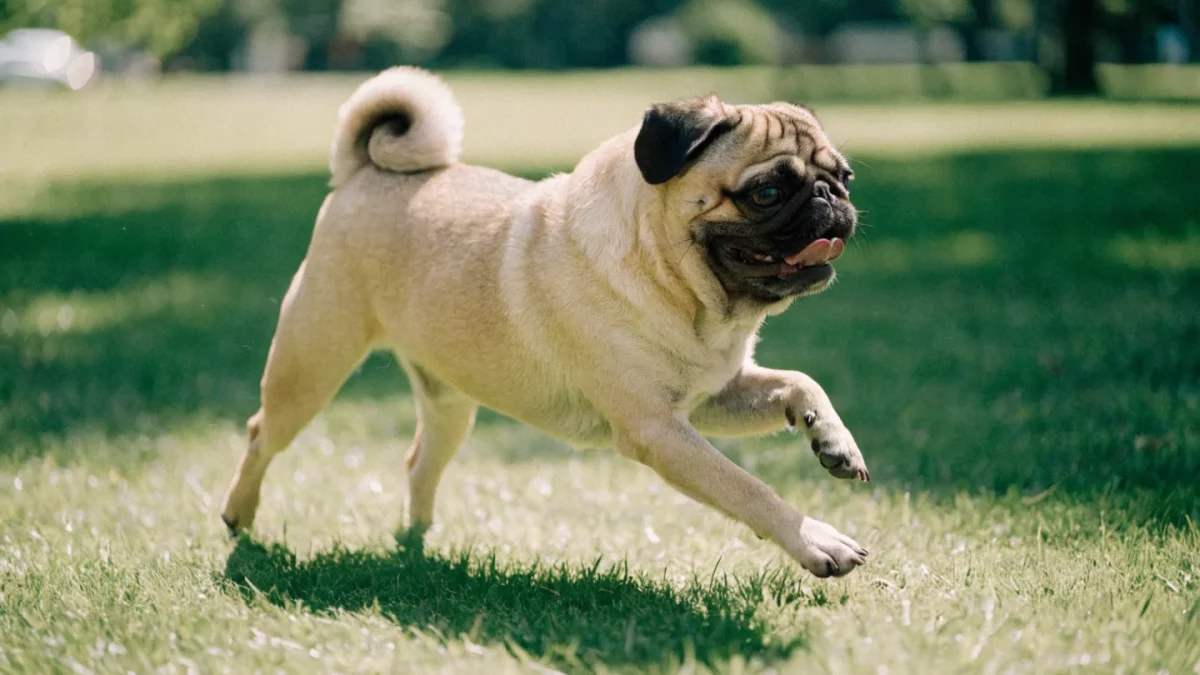
Charming toy companion — affectionate, comical and even-tempered, with a wrinkled face and curly tail.
The most significant pug-specific genetic considerations are brachycephaly (caused primarily by variants in the BMP3 gene that shorten the skull),…
The most common pug myths are: they are lazy dogs that don't need exercise (they are moderately active and gain…
When evaluating a pug puppy, prioritize respiratory indicators: listen for quiet breathing at rest, look for open nostrils rather than…
A pug is right for you if you spend significant time at home, have air conditioning, can commit to daily…
Adult pugs need 20 to 30 minutes of moderate exercise daily, ideally split into two shorter sessions. Exercise must be…
Pugs have a deeply affectionate, clownish temperament defined by intense human attachment, playful humor, and moderate stubbornness. They were bred…
Pugs originated in China, likely during the Han Dynasty (206 BC to 200 AD), where they were bred as exclusive…