Dog Breeds
Shih Tzu Genetics: Coat Colors, Brachycephaly, and Breed-Specific DNA
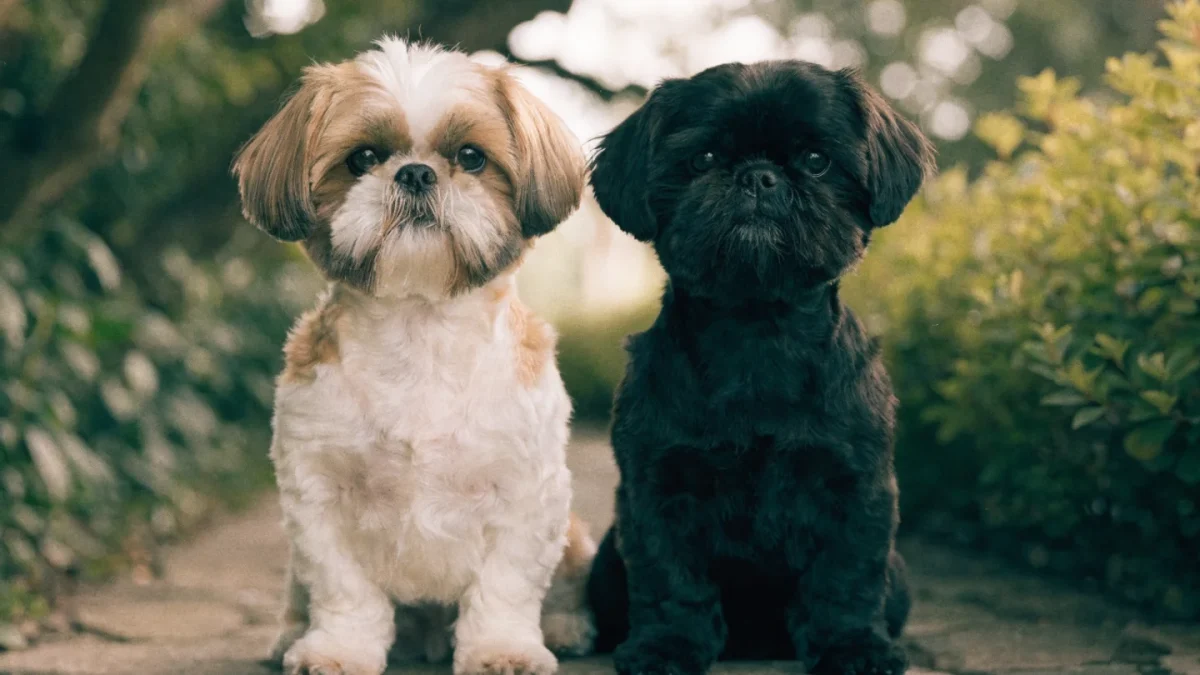
Shih tzu coat colors are controlled by multiple gene loci including the E (extension), B (brown/liver), D (dilution), and S…
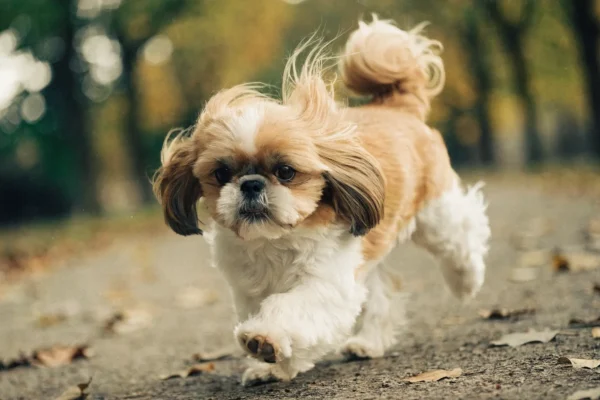
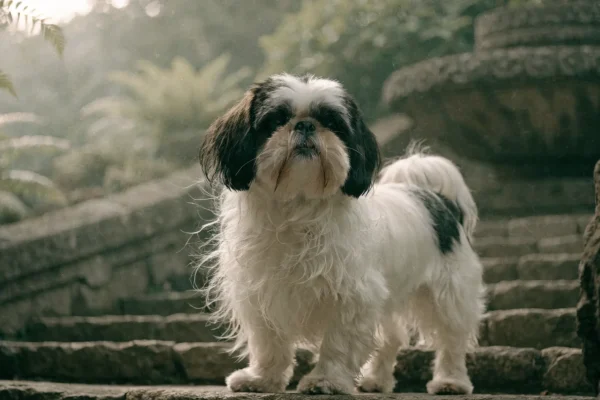
Affectionate toy companion — friendly and outgoing, bred as a lap dog with a long flowing coat.
Shih tzu coat colors are controlled by multiple gene loci including the E (extension), B (brown/liver), D (dilution), and S…
The most common shih tzu myths include: they are unintelligent (they score low on obedience tests that measure compliance, not…
A shih tzu is right for owners who want an affectionate, moderately active companion and can commit to regular grooming…
Adult shih tzus need 20 to 40 minutes of moderate exercise daily, typically split into two shorter sessions. Their brachycephalic…
When evaluating a shih tzu puppy, prioritize quiet breathing at rest (no audible snoring or labored breathing), open nostrils, clear…
The shih tzu originated in the Chinese imperial palace, likely during the late Ming or early Qing dynasty (roughly 1600s),…
Shih tzus are affectionate, confident, and mildly stubborn companion dogs. Bred for centuries as palace companions in imperial China, they…