
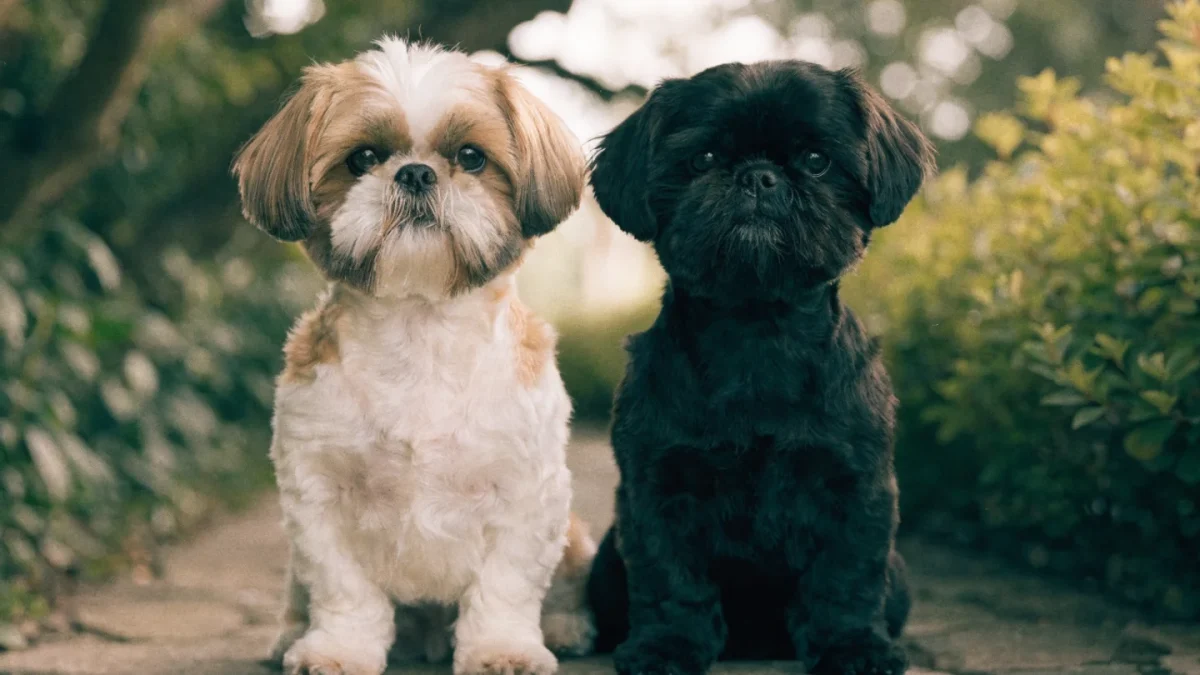
Here is a genetic paradox worth sitting with: the shih tzu has one of the narrowest genetic foundations of any recognized breed — all modern dogs descend from approximately fourteen individuals — yet displays one of the widest ranges of coat colors and patterns in the canine world. Gold, black, white, liver, blue, brindle, silver, red, and virtually every combination thereof. How a breed with so little genetic diversity produces so much visual variety is a question that cuts to the heart of how canine color genetics actually work.
The answer is that coat color genes and overall genetic health occupy different territory in the genome. You can have rich diversity at color loci while simultaneously carrying dangerously narrow diversity in genes governing immune function, organ development, and disease resistance. The shih tzu has both.
Coat Color Genetics
Shih tzu coat color is determined by the interaction of several gene loci, each controlling a different aspect of pigmentation. Understanding these explains why certain colors appear and how they're inherited.
The Key Loci
E locus (Extension): Controls whether a dog can produce dark (eumelanin) pigment in the coat. The dominant E allele allows normal pigmentation. The recessive e/e genotype produces a dog that can only deposit phaeomelanin (red/yellow pigment) in the coat, regardless of what's happening at other loci. This is how solid gold and red shih tzus are produced.
B locus (Brown/Liver): The dominant B allele produces black-based eumelanin. The recessive b/b genotype changes all black pigment to liver (chocolate brown), affecting coat, nose leather, eye rims, and paw pads. Liver shih tzus have brown noses and lighter eyes — a distinctive and fully normal color variant.
D locus (Dilution): The dominant D allele produces full-intensity color. The recessive d/d genotype dilutes black to blue (a steel-grey) and liver to isabella (a pale, washed-out fawn). "Blue" shih tzus carry the dilution gene acting on black pigment. Their noses appear slate-grey rather than black.
S locus (Spotting): Controls white patterning. The S allele produces solid color; the s^p allele produces piebald (white with colored patches). Most shih tzus carry at least one copy of the piebald allele, which is why parti-color patterns — white combined with gold, black, liver, or other colors — are so common in the breed.
A locus (Agouti): Influences the distribution of eumelanin and phaeomelanin within individual hairs. The sable pattern (A^y), where hairs are tipped with dark pigment over a lighter base, is common in shih tzus and contributes to the breed's characteristic color shading and the way coat color can shift from puppyhood to adulthood.
Why Colors Change With Age
New shih tzu owners are frequently surprised when their puppy's coat color changes dramatically during the first two years. A dark-born puppy may lighten substantially. A gold puppy may develop a silver overlay. This color shifting is normal and genetically driven, primarily by the interaction of the A locus (agouti) and the G locus (progressive greying).
The progressive greying gene, when present, causes gradual loss of pigment intensity over time. It's why some shih tzus that are born near-black develop a silver or grey coat by adulthood. The gene doesn't eliminate pigment entirely — it reduces its expression progressively. The rate and degree of change vary by individual.
This color instability frustrates owners who chose a puppy specifically for its color. It should not. The breed's history and genetics make color prediction in puppies inherently unreliable, and no responsible source can guarantee that a puppy's adult color will match its birth color.
Brachycephalic Skull Genetics
The shih tzu's flat face is not a random variation — it's genetically programmed. A study published in PLOS Genetics in 2012 identified a missense variant in the BMP3 gene (Bone Morphogenetic Protein 3) as a primary driver of brachycephaly in dogs — a mutation that is nearly fixed among small, brachycephalic breeds. This gene affects cartilage and bone development during fetal growth, specifically the length of the skull base. Dogs homozygous for the brachycephalic variant develop the shortened skull, widened zygomatic arch, and rotated cranial base characteristic of flat-faced breeds.
The shih tzu's brachycephaly is generally moderate compared to breeds like the English Bulldog or Pekingese. The muzzle is short but typically not as severely truncated, and the nostrils tend to be more open. However, degree varies significantly within the breed, and some breeding lines have moved toward increasingly flat faces — a trend that prioritizes appearance over respiratory function.
The genetics of brachycephalic obstructive airway syndrome (BOAS) are complex and not fully mapped. While the BMP3 variant drives the skeletal structure, the soft tissue consequences — elongated soft palate, narrowed trachea, everted laryngeal saccules — involve additional genetic and developmental factors. Selecting solely against extreme brachycephaly at the skeletal level may not fully resolve the soft tissue complications, though it is a necessary starting point.
The Founder Effect and Genetic Diversity
Every shih tzu alive today descends from approximately fourteen dogs imported to Europe between the late 1920s and 1950s. In population genetics, this is a textbook founder effect: a new population established from a tiny sample of the original, carrying only a fraction of the original population's genetic diversity.
The practical consequences are significant:
Elevated recessive disease frequency. When a small number of founders carry a recessive disease allele, the odds of two descendants both carrying that allele and producing affected offspring increase dramatically. This is why renal dysplasia and progressive retinal atrophy appear in shih tzus at rates higher than random chance would predict.
Limited immune diversity. The major histocompatibility complex (MHC), which governs immune response, benefits from high allelic diversity. Research has shown that breeds with bottleneck histories have fewer MHC haplotypes, and clear associations between reduced MHC diversity and immune-mediated diseases — including diabetes, hemolytic anemia, and hypothyroid disease — have been documented across multiple breeds.
Inbreeding depression. All modern shih tzus are related to a degree unusual in larger-founded breeds. Coefficient of inbreeding values tend to run higher than average, correlating with reduced fertility and increased disease susceptibility. The 1952 Pekingese outcross provided only marginal genetic relief.
DNA Testing and the Breed's Future
Available DNA panels cover progressive retinal atrophy, coat color genotyping, and emerging brachycephalic risk markers. A renal dysplasia marker test exists through DOGenes, though its validity has been questioned by some researchers. Testing does not guarantee health — it identifies known risks and enables informed breeding decisions.
The breed's genetic situation is stable but constrained. Breeders who prioritize diversity — avoiding popular sire syndrome, considering COI in mating decisions, and supporting health research — are doing the most consequential work. The shih tzu survived a bottleneck of fourteen dogs. Whether it thrives going forward depends on how wisely their descendants are managed.