

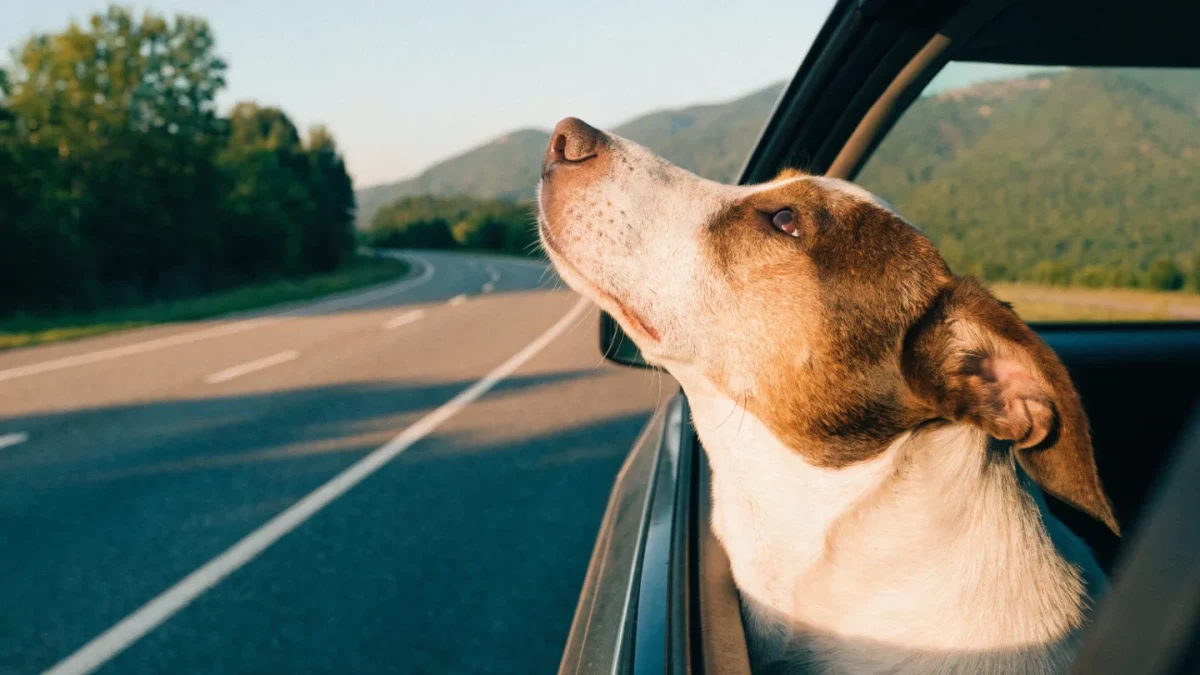
Benny's first road trip with me was a two-day drive from Chicago to the Pacific Northwest. He sat in the back seat, occasionally stole my granola bar, snored through most of Montana, and was the single best road trip companion I've ever had.
I am not a spontaneous person. Before that trip, I spent probably twelve hours reading, planning, and second-guessing. And I'm going to save you most of that by putting everything I know—from Benny's car setup to what I've learned from six years of road trips with animals—into this guide.
Before the Trip: Planning That Actually Matters
Check Your Pet's Health First
Before a long road trip, a vet visit is worth it—especially if your pet hasn't traveled much, is older, or has chronic health issues. A vet can assess whether they're fit for travel, refill any medications (make sure you have more than enough), and flag anything that might need addressing before you're 600 miles from your regular vet.
For dogs, make sure they're current on parasite prevention. You'll be stopping at rest areas, trails, and roadside grass patches—tick and flea exposure is real.
For cats, a road trip is harder than for dogs. Not impossible (I've done it), but harder. More on that later.
Research Pet-Friendly Accommodations in Advance
This is the one place where lack of planning genuinely bites people. Not all hotels that say "pet-friendly" actually mean it in a useful way. Some mean "small dog under 25 lbs, one pet, additional fee, must be in a carrier at all times, cannot be left alone in the room." Others mean "we have a dog park, welcome to bring your 90-pound lab."
Know which kind of pet-friendly you're dealing with before you show up at 10pm with a tired beagle mix.
I use a combination of hotel chain websites (where they list their actual pet policies) and travel forums where real pet owners describe their actual experiences. Book in advance. Many pet-friendly rooms are limited.
Plan Your Route Around Pet Needs
Dogs who need exercise every 3-4 hours will define your stopping schedule more than anything else. Map out rest stops, parks, and trail access points rather than just drive-thru stops.
If you're driving through the South or Southwest in summer, factor in heat. Stops where your dog can actually run around matter—not just highway rest areas with no shade.
Prepare the Car
Before a long trip:
- Clean out anything toxic (chocolate, xylitol-containing products, medications)
- Check your pet's travel restraint setup
- Test the climate control (doesn't sound obvious until your air conditioning fails in August)
- Stock a dedicated pet kit—more on packing below
Safety in the Car: Non-Negotiables
Restraint Systems
A dog in an unrestrained car is a 50-pound projectile in a sudden stop. This isn't dramatic—it's physics. An unrestrained dog in a crash can be fatally injured and can also seriously injure human passengers.
The options are:
- Harnesses with seatbelt adapters: These clip into the seatbelt buckle. They vary widely in crash-test performance. Look for brands that have been crash-tested by third-party organizations rather than just marketed as safe.
- Crates secured to the cargo area: Hard crates in the back of an SUV, attached so they can't slide, provide strong protection for the dog and reduce distraction.
- Barrier/divider: A cargo barrier keeps dogs in the back but doesn't protect them in a crash. Better than nothing for very short trips; not adequate for highway travel.
For cats: a hard crate secured in the back seat or cargo area is the right call. Cats loose in a car are a visibility hazard and a panicking-in-motion hazard.
Benny rides in a crash-tested harness on the back seat. Not because it's fun for him—he'd prefer to have his head out the window at all times—but because I value both of our lives.
Heat Safety
Never leave a pet in a parked car in warm weather. The temperature inside a parked car rises dramatically in minutes even on mild days. This is not a problem you can solve with cracking the windows. Cracked windows don't prevent dangerous heat buildup fast enough.
If you can't bring your pet inside wherever you're stopping, someone needs to stay in the running car with them. That's the rule.
Water and Hydration
Offer water at every stop. Not a huge amount—gulping water then getting back in the car can cause vomiting—but a reasonable drink. Carry more water than you think you need. If you're in a hot region, carry a lot more.
Packing for the Trip
The Pet Kit
Keep a dedicated bag or box in the car with everything pet-related:
- Food for the whole trip plus two extra days (supply chain issues at rural pet stores are real)
- Collapsible water bowl
- Medications and a copy of the prescription
- Waste bags (a lot of them)
- Pee pads (car sickness happens; accidents happen)
- Favorite toy or blanket from home (scent comfort during novel situations)
- First aid basics: gauze, antiseptic wipes, tweezers for ticks, a thermometer
- Recent photo of your pet in case of separation
- Vet records and vaccination proof (some campgrounds and dog-friendly spaces require proof of rabies vaccination)
Things People Forget
Extra leashes. I keep two in the car—one in the door pocket, one in the pet kit. If a leash breaks or gets left behind, you need a backup.
Food and water in a place you can access without unpacking the entire trunk. First meal of the trip will be roadside; make it reachable.
A microfiber towel. Muddy paws at a trail stop, emergency cleanup, wet dog in the hotel. Indispensable.
The Stopping Schedule
Dogs need to stop every 3-4 hours minimum. Not just for bathroom needs but for mental regulation—being in a car for extended periods is genuinely taxing.
For a 10-hour drive, that means at minimum 2-3 actual stops, not counting fuel stops. Ideally these are 15-20 minutes minimum, with actual walking and sniffing time. Not a 90-second potty break and back in the car.
Build this into your timeline. If your normal solo drive takes 10 hours, add 1.5-2 hours for pet stops. Don't optimize it away.
Cats are different. They don't need to walk every few hours in the same way. But they do need water, quiet, and—if the trip is more than 8 hours—access to a travel litter box at least once.
Accommodations on the Road
Hotels and Motels
Chain hotels vary in their pet policies even within the same chain—it's property-by-property. Call ahead rather than relying on website listings.
Questions worth asking:
- Is there a non-refundable pet fee? (These have gotten expensive at some chains—$50-$100/night isn't unusual.)
- Can pets be left unattended in the room? (Many say no. Have a plan.)
- Are there restrictions on size or number of pets?
- Is there a designated pet relief area or nearby grass?
For Benny, extended stay properties are often the best deal for multi-night trips—they tend to have lower pet fees and more outside space.
Campgrounds
Campgrounds are often excellent for dogs. Many national forest campgrounds are pet-friendly (leash required, typically). Some state parks are more restrictive—check before you arrive.
Camping with cats is more logistically involved but doable with the right setup. See my thoughts on road-tripping specifically with cats below.
Airbnbs and Vacation Rentals
Filter for pet-friendly properties. Read the listing carefully—"pet-friendly" on a rental platform can mean anything from "we love dogs" to "one small dog, no cats, $200 additional cleaning fee." Some hosts also have breed or size restrictions.
Message the host before booking if you have specific needs or an unusual pet situation. Better to know before you arrive.
Road Tripping With a Cat
Yes, it can be done. It's different from dogs.
Cats are territorial and sensory-sensitive, which means the car itself—a moving, loud, novel-smell environment—is more inherently stressful for them. Miso is not a good car traveler. Fig is surprisingly okay. Know your cat.
What helps with cats in cars:
- A crate large enough to have a small litter box in one end and a sleeping area in the other (for longer trips)
- Familiar bedding with your scent
- Covering the crate partly so they can see less of the environment
- Keeping the car temperature moderate and avoiding music or podcasts at high volume
- Stopping in quiet locations, not busy rest stops
What doesn't help: opening the carrier every time they cry. I know. It's hard. But cats in an unfamiliar environment often won't self-regulate if you keep opening the door—they'll just try to get out and hide under the seat.
If Something Goes Wrong
If your pet gets sick: Motion sickness, car sickness, travel anxiety—have your vet's emergency contact number and know how to find emergency vet clinics along your route. The app VetFinder and most maps now show emergency veterinary services.
If your pet escapes: Have recent photos on your phone. Keep ID tags current. Have your microchip registration up to date with your current phone number. If they bolt at a rest stop, stay calm, call in a low voice (chasing panics them), and alert the rest stop if it's staffed.
If the car breaks down: Keep your pet in the car with you until help arrives—don't stand on the shoulder with them, especially in heat or traffic. Have a plan for pet-friendly emergency services or nearby motels if repairs take longer than expected.
The Bigger Picture
Road trips with pets are, honestly, better than road trips without them. The forced stops mean you see more. You end up at quieter places—parks, forests, smaller towns—instead of just chaining highway rest areas together. And there's something genuinely nice about having a snoring beagle in the back seat telling you, by sheer contentment, that the pace is exactly right.
They do require planning. They do require flexibility. They require building in extra time, having backup plans, and accepting that some days things go sideways.
But the trips I've done with my animals are the ones I remember most clearly. That counts for something.
For the air travel perspective, the complete guide to flying with your pet covers when flying might make more sense than driving. And for broader trip planning decisions—whether to take your pet at all, which destinations work best, how to think about the whole trip—the pet-friendly travel planning guide is where to start.
FAQ: Road Trips With Pets
How long can a dog stay in a car on a road trip?
Most dogs do fine with 3-4 hours between stops. For a full-day drive, plan on 2-3 dedicated stops where they can stretch, walk, and use the bathroom. Don't skip stops to make better time—it catches up with you in a stressed, restless dog.
Can I let my dog hang their head out the window?
Physically it's fine for short stretches, but road debris, insects, and sudden stops make it genuinely risky. If you allow it, keep speeds low and stay attentive. On highways, it's not a good call.
What's the best restraint system for a dog in the car?
A crash-tested harness with a seatbelt connector is the most accessible option for most dogs. A secured hard crate in the cargo area is the strongest protection in a crash. Avoid harnesses that haven't been third-party crash tested—marketing language is not the same as actual safety.
My cat cries the whole time in the car. What can I do?
First confirm they're okay—not in pain, litter box accessible for long trips, water available. If they're genuinely just unhappy about being in the car, partial crate coverage, a worn piece of your clothing inside, and driving without music often help. For long trips with very anxious cats, talk to your vet about whether gabapentin might be appropriate.
Do I need to carry vaccination records on a road trip?
Yes. Many pet-friendly accommodations require proof of current rabies vaccination. Some dog parks, campgrounds, and doggy daycare facilities (if you need daycare at a stop) require proof of bordetella as well. Keep digital copies on your phone and physical copies in the car.
What if my dog gets car sick?
Withhold food 3-4 hours before driving. Keep the car cool and well-ventilated. Try a front-facing position rather than back seat if possible. If it's chronic, talk to your vet—there are prescription options for motion sickness in dogs that work well for some animals.