

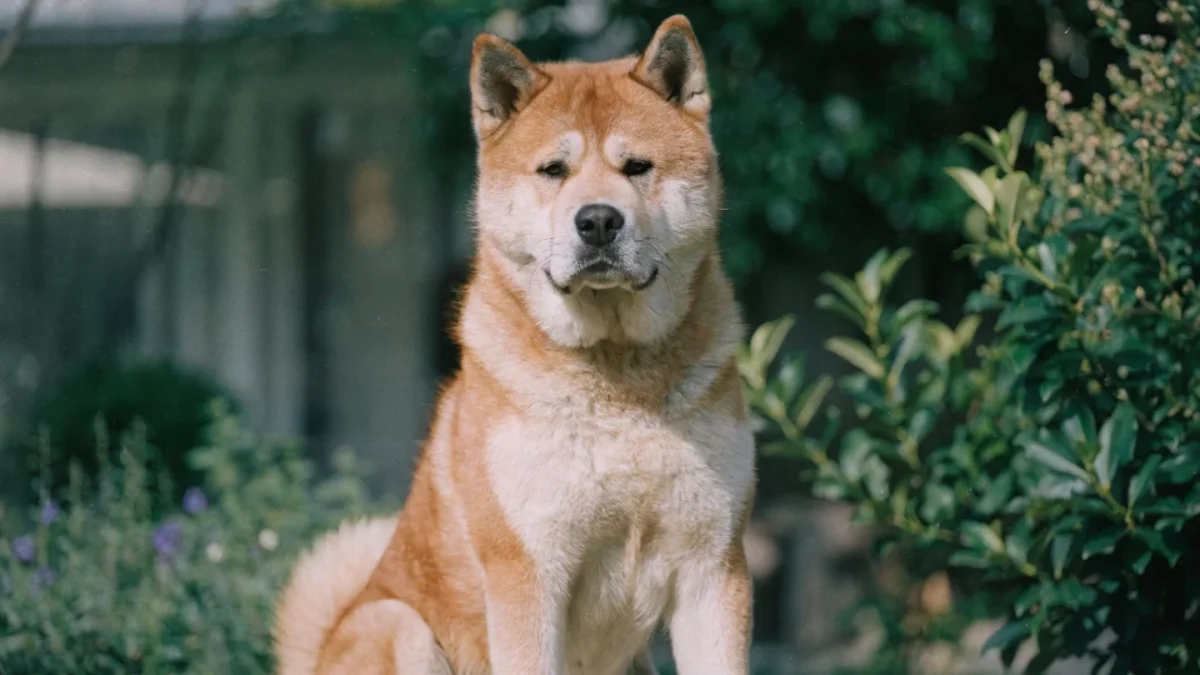
The Akita occupies an unusual position in public perception: simultaneously romanticized for Hachiko's loyalty and feared for a reputation as a dangerous breed. Both images are distortions. The real Akita sits somewhere between the saintly loyalty symbol and the aggressive menace — a complex, independent dog whose actual characteristics are consistently misunderstood by people who've never lived with one.
Here are five akita misconceptions myths that persist despite being contradicted by breed history, behavioral research, and the lived experience of responsible owners.
1. Akitas Are Aggressive Dogs
This is the most damaging myth and the one with the most real-world consequences. Akitas appear on breed-restriction lists, face insurance exclusions, and are refused housing in some jurisdictions — all based on the assumption that the breed is inherently dangerous.
The reality is more nuanced. Akitas are reserved, vigilant, and selective. They don't greet strangers with enthusiasm because they were never bred to. They assess unfamiliar people calmly, and most well-socialized Akitas simply ignore people they don't know. That isn't aggression. It's the opposite of it — controlled, deliberate disengagement.
What the breed does have is same-sex dog intolerance, which is well-documented and genuinely needs management. And it has a guarding instinct that, in an unsocialized dog, can produce reactive behavior toward people entering its space. But conflating breed-typical reserve with aggression is like calling a cat aggressive because it doesn't greet every visitor at the door. The akita temperament profile explains the behavioral distinctions in detail.
Poorly socialized Akitas can be problematic. So can poorly socialized dogs of virtually any large breed. The variable isn't the breed. It's the owner's commitment to socialization.
2. Akitas Can't Live With Other Animals
This myth contains a grain of truth surrounded by overgeneralization. Same-sex dog aggression is a real breed characteristic. But "real breed characteristic" doesn't mean "absolute rule for every individual in every circumstance."
Many Akitas live successfully with opposite-sex dogs. The key variables are early introduction, compatible temperaments, and responsible management. An Akita raised with another dog from puppyhood and properly supervised is a different situation from introducing two adult Akitas who have never met.
Akitas and cats can also coexist — particularly when the Akita is raised with cats from a young age. The breed has moderate prey drive, but it's not the compulsive, hair-trigger chase drive of a sighthound. Many Akita owners report that their dog treats the household cat as part of the family unit while still showing interest in unfamiliar cats outdoors.
The honest version: Akitas require more careful multi-pet management than socially flexible breeds. Same-sex pairings carry elevated risk. Introductions must be controlled and gradual. Supervision matters. But the blanket statement that Akitas can't live with other animals isn't supported by the actual experience of thousands of multi-pet Akita households.
3. Akitas Are Untrainable
Akitas learn commands faster than many breeds people consider highly trainable. The problem isn't learning. It's compliance.
An Akita will sit on command the first three times you ask. By the fourth repetition in the same session, it's making a judgment call about whether the request still has purpose. This selective obedience frustrates owners who expect the retriever model — command, immediate response, praise, repeat. The Akita model is more like: command, evaluation, possible compliance, and don't bother asking again unless you have a good reason.
This is not a deficiency. The breed was developed for autonomous decision-making in dangerous situations. Dogs that obeyed blindly without assessing the situation didn't survive bear-hunting expeditions in the Japanese mountains. The independence that frustrates trainers in the living room is the exact trait that made the breed effective in the field.
Training an Akita requires adapting your approach to the dog rather than expecting the dog to adapt to yours. Short sessions, varied exercises, clear purpose, and a handler who earns respect through consistency rather than demanding it through repetition. Akitas trained this way are remarkably reliable. The complete breed guide discusses training in the context of the breed's full behavioral profile.
4. Akitas Need Massive Amounts of Exercise
The Akita's imposing size leads people to assume it needs the exercise regimen of a husky or a Belgian Malinois. In reality, the breed's energy level is moderate by large-dog standards.
Sixty to 90 minutes of daily exercise — typically split across two outings — satisfies most adult Akitas. This is substantially less than what a Border Collie, an Australian Shepherd, or a working-line Labrador demands. Akitas are calm indoor dogs with a steady energy baseline, not high-drive athletes that require hours of output to avoid destroying the house.
The misconception probably originates from the breed's physical appearance. A 50-kilogram dog with heavy bone and a muscular build looks like it should need marathon-level activity. But the Akita was bred for endurance at moderate intensity — long days of tracking through mountain terrain, not explosive sprinting or repetitive retrieval. Their exercise needs reflect that heritage: purposeful, steady, and sustained rather than frantic.
What Akitas do need, more than additional physical exercise, is mental engagement. Puzzle feeders, scent work, and varied walking routes satisfy the thinking dog underneath the imposing exterior.
5. Their Loyalty Makes Them Easy Companions
This is the Hachiko trap. People hear the loyalty stories, see the noble bearing, and conclude that the Akita's devotion translates into an easy, rewarding ownership experience. The devotion is real. The easy part is not.
Akita loyalty is intense, singular, and possessive. The dog bonds deeply to its person and becomes protective of that bond. This means the Akita may not welcome the attention you give to other animals. It may position itself between you and visitors. It may become distressed — not just sad, but behaviorally disrupted — if separated from you for extended periods.
The loyalty also makes Akitas one of the hardest breeds to rehome. A dog that bonds this deeply doesn't simply transfer that bond to a new owner. Rehoming an adult Akita involves grief, withdrawal, and a protracted trust-building process that not every adopter is equipped to handle. Breed-specific rescues manage this transition carefully, but it's never simple.
The honest framing: Akita loyalty is one of the most powerful emotional bonds available in the dog world. It's also a management responsibility. The depth of that bond requires a matching depth of commitment from the owner — not just affection, but structured management, consistent presence, and the understanding that this dog's emotional world is organized entirely around you.
That's a privilege. It's also a weight. Knowing the difference before you commit is what separates owners who thrive with Akitas from those who surrender them.