

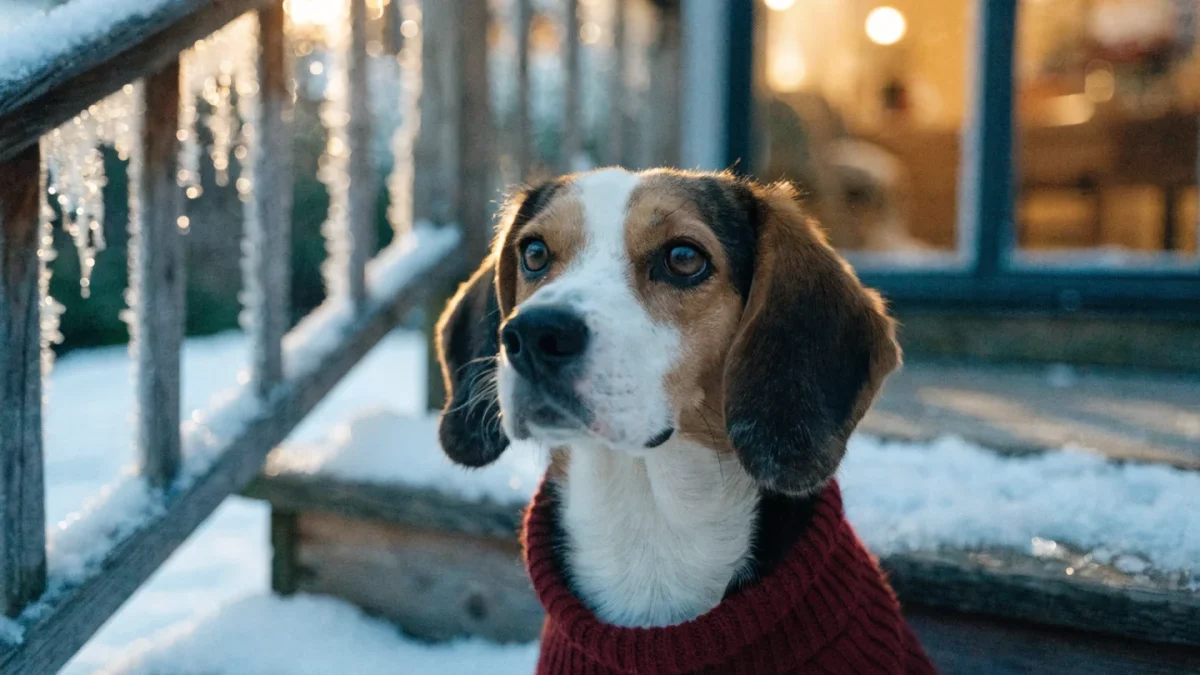
There's a specific kind of guilt that hits in January when you realize your dog hasn't had a proper walk in four days because it's been sleeting every afternoon and you keep telling yourself you'll go out later. I've been there with Benny. He gives me the eyes. I give him a puzzle feeder and feel bad about it.
The thing is, winter pet care isn't really about surviving the cold. Most dogs and cats handle cold better than we give them credit for. It's about knowing what actually matters — the things that can turn into real problems versus the discomforts you can manage or work around. And then there are the holidays, which come with their own cheerful assortment of hazards.
This guide covers all of it. Consider it the unsexy but genuinely useful counterpart to the spring and summer pet care guide.
Cold Weather Basics: What Matters and What Doesn't
Let's start here, because there's a lot of noise around winter pet care and not all of it is useful.
What actually matters:
- Paw damage from ice, salt, and deicing chemicals
- Hypothermia risk for small, short-haired, elderly, or young animals
- Antifreeze exposure (this is a genuine, serious hazard)
- Holiday-specific toxins (certain plants, foods, and products)
- Reduced physical activity leading to weight gain and boredom behavior
What is often overstated:
- Cold tolerance for healthy adult dogs with medium or thick coats — they are genuinely built for this
- The idea that indoor cats need heating adjustments — they're very good at thermoregulating
A healthy adult husky can be in 0°F weather for extended periods. A small chihuahua or a shaved elderly cat cannot. The honest answer is that cold tolerance is heavily individual — size, coat type, age, health, and acclimatization all play a role.
How Cold Is Too Cold?
This is the question I get most often from dog owners in winter, and there's no universal number. What I've found useful:
Factors that lower cold tolerance:
- Small body size (less thermal mass, more surface area relative to volume)
- Short or thin coat
- Age — very young or senior animals have less efficient temperature regulation
- Health conditions, particularly thyroid or heart issues
- Getting wet — wet fur loses much of its insulating capacity
The general ranges for dogs (as a rough guide, not hard rules):
- Above 45°F (7°C): Fine for most dogs with no modifications
- 32–45°F (0–7°C): Worth limiting time for small, thin-coated, elderly, or health-compromised dogs
- 20–32°F (-6–0°C): Limit exposure for all but cold-adapted breeds; monitor actively
- Below 20°F (-6°C): Keep outings short for all dogs; coat and boots warranted for many
Watch your dog rather than the thermometer. Shivering, lifting paws, slowing down, trying to turn back, or tucking their tail and hunching are all signs they're telling you something.
Cats who go outdoors in cold weather have their own set of risks — and a separate section later in this guide covers outdoor cats specifically.
Paw Care: The Winter Underdog Issue
Paws are the most overlooked part of winter dog care. Here's what happens to them:
Road salt and deicing chemicals — these aren't just uncomfortable, they're mildly toxic. Dogs walk through them and then lick their paws. Many commercial deicing products contain chloride salts that can cause mouth irritation, vomiting, and GI upset in sufficient amounts. Paw pads can crack and become raw.
Ice balls between the toes — long-haired dogs grow fur between their toes, and wet snow packs into it and freezes into ice balls. These are painful and can cause the dog to suddenly start hobbling mid-walk.
Pavement abrasion — frozen concrete is harder and rougher on paw pads than warm-weather surfaces.
What helps:
- Rinse and dry paws after every outdoor walk (gets the salt off before they lick it)
- Apply paw balm or wax before walks — this creates a barrier against salt and cold
- Dog boots — not every dog tolerates these, but for dogs who will wear them, they're genuinely effective
- Keep fur between the toes trimmed
- Inspect paws regularly for cracks, redness, or cuts
For the full breakdown — products, application methods, signs of paw damage — the winter paw care guide has everything you need.
Does Your Pet Need a Coat?
Short answer: some do, some don't, and the ones that do usually don't protest the way you'd expect.
Dogs that genuinely benefit from a coat or sweater:
- Small breeds with short or single-layer coats (chihuahuas, whippets, Italian greyhounds, toy breeds)
- Dogs with very short hair and minimal body fat
- Senior dogs or puppies
- Dogs post-surgery or with health conditions affecting temperature regulation
Dogs that typically don't need one:
- Huskies, malamutes, and other cold-weather breeds
- Most medium-to-large dogs with double coats in good condition
- Dogs who clearly hate wearing anything and stress out immediately
If your dog needs a coat, the key features to look for: fits without restricting shoulder movement, covers the base of the neck to the base of the tail, doesn't hang below the belly (it'll drag in snow and get wet), and can be put on and taken off quickly. Reflective trim is a bonus for low-light walks.
Antifreeze: The Serious One
Every fall and winter, this comes up, and it deserves serious attention: antifreeze (ethylene glycol) is extremely toxic to pets, and it tastes sweet.
Dogs and cats will voluntarily drink it if they encounter it — from puddles in driveways, spills in garages, or containers that aren't properly stored. A very small amount can cause kidney failure, and it can be fatal. Early signs (within 30 minutes to a few hours of ingestion) can look like drunkenness — unsteady gait, vomiting, seeming disoriented. This is followed by apparent recovery, which is actually dangerous — kidney failure sets in 24-72 hours later.
If you have any reason to think your pet has ingested antifreeze, this is an emergency. Go to the vet immediately. Do not wait for symptoms to worsen.
Practical steps:
- Store antifreeze in tightly sealed containers out of reach
- Clean up any spills immediately and completely
- Check your driveway for puddles from other vehicles
- Consider switching to propylene glycol-based antifreeze — it's much less toxic to pets (though still not harmless)
Holiday Hazards
The holiday season is genuinely fun and also genuinely hazardous for pets. Here's the condensed version:
Christmas and Hanukkah
Christmas trees — pine needles can cause GI irritation if ingested; the water in a live tree stand may collect bacteria and fertilizer; tinsel and ribbon are intestinal obstruction risks (especially for cats who find linear objects irresistible).
Lights and electrical cords — chewing hazard, particularly for puppies and kittens.
Holiday plants — poinsettias cause mild GI irritation; holly berries and mistletoe are more serious (vomiting, diarrhea, and in higher amounts, more systemic effects). Keep these out of reach or use artificial versions.
Candles — a cat or dog knocking over a lit candle is both a burn risk and a fire risk.
Wrapping paper and ribbon — ingestion risk; ribbon especially is dangerous for cats.
Food hazards
Holiday food is probably the single biggest hazard during this time of year, because there are more people around, more distractions, and more opportunities for pets to counter-surf or be slipped something by a well-meaning guest.
Key offenders: chocolate, xylitol (found in sugar-free baked goods and gum), grapes and raisins, onions and garlic, cooked bones (especially poultry — they splinter), and rich fatty foods that can trigger pancreatitis.
New Year's Eve
Fireworks and loud celebrations are a major stress source for many pets. More on that in a minute.
Noise Anxiety: Fireworks and Winter Celebrations
Many pets have significant anxiety around loud, unpredictable noises — fireworks, celebratory gunfire, loud music. This is one of the most common behavioral issues veterinarians see spikes in during fall and winter holiday periods.
Signs of noise anxiety:
- Trembling or shaking
- Hiding in closets, under beds, or behind furniture
- Panting and pacing
- Whining or howling
- Destructive behavior
- Attempting to escape (this is when pets are most likely to bolt through an open door)
What helps:
- Create a safe, familiar space — a crate or a quiet interior room where they can retreat. This should be their choice, not forced.
- White noise or calm music can reduce the intensity of sudden loud sounds
- Keep windows and curtains closed — reduces both sound and the visual stimulation of flashes
- Make sure ID tags and microchip information are current before events
- Stay calm yourself — pets take cues from your body language
- Talk to your vet about anxiety options if the fear is severe — there are situational medications that work well for some animals
Don't punish anxiety behaviors. Hiding under the bed is your pet coping. Let them.
Indoor Enrichment During Winter
This is the part that gets skipped in most winter pet guides, and it's genuinely important. Reduced outdoor activity — fewer walks, no yard time — affects behavior, weight, and mental state.
Dogs who don't get enough physical and mental stimulation in winter tend to get destructive, restless, or clingy. Cats can get bored and develop stress-related behaviors. The solution isn't necessarily more outdoor time when the weather is bad — it's indoor alternatives that meet the same needs.
For dogs:
- Puzzle feeders and sniff mats use mental energy surprisingly effectively
- Indoor fetch in hallways or stairwells
- Training sessions — new tricks require focus and wear them out
- Controlled play with other dogs if that's an option
- Decompression sniff walks — short time outside, slow pace, dog sets the agenda (sniffing counts as mental exercise)
For cats:
- Window perches with bird feeders outside are genuinely engaging for indoor cats
- Wand toys and interactive play (even 10-15 minutes twice a day makes a difference)
- New cardboard boxes or paper bags to explore
- Food puzzles and hiding kibble for them to find
- Cat TV — actual wildlife videos designed for cats work for some
For a full list of ideas for both species, the indoor enrichment ideas for winter guide goes deep on this.
Weight and Feeding in Winter
Most pets move less in winter. This doesn't mean they need less food — temperature regulation actually burns extra calories in cold weather — but it's worth monitoring.
If your dog is getting significantly less exercise than usual (30+ minutes less per day), a slight reduction in food isn't unreasonable. Watch body condition: you should be able to feel ribs but not see them. A vet visit in fall is a good time to establish baseline weight and discuss adjustments.
For outdoor cats, the opposite is true — they may need more calories in cold weather because they're burning more to stay warm.
Outdoor Cats in Winter
If you have a cat who goes outdoors, fall and winter require some specific accommodations:
Shelter access — they need a way to get out of the cold. A proper outdoor cat shelter with bedding (straw, not hay — straw is insulating, hay holds moisture) can be lifesaving in extreme cold.
Food and water — outdoor cats need more calories in winter. Heated water bowls prevent freezing.
Night check — bring outdoor cats in on the coldest nights if at all possible. A cat that can't get inside in sub-zero temperatures is at genuine risk.
Engine checks — outdoor cats and community cats sometimes climb into warm car engines for shelter. Banging on the hood before starting the car in winter has saved animals' lives.
Winter Wellness Check: Fall Vet Visit
If you do one proactive thing in fall, make it a wellness check. This is especially useful for:
- Senior pets, who may have arthritis that gets worse in cold — and there are management options worth knowing about before it becomes acute
- Pets with any chronic conditions
- Checking that flea/tick prevention schedule matches your local climate (in some regions, they stay active in mild winters)
- Weight baseline before the slow-down period
- Updating ID tags and microchip registration before the holiday season when escape risk goes up
FAQ
Q: My dog shivered once on our walk. Does that mean they're too cold?
One shiver doesn't mean crisis, but it's worth paying attention to context. Brief shivering when first stepping outside in very cold weather can be normal — they're adjusting. Sustained shivering, combined with slowing down or trying to head home, is a clearer signal to cut the walk short. If your dog is shivering in temperatures that shouldn't be an issue for their breed and coat type, that can also be a sign of an underlying health issue worth checking.
Q: How do I keep my cat from going outside in winter?
If you're transitioning an outdoor cat to indoor-only during winter months, it's mostly a matter of management — not giving them opportunities to slip out. Keep doors closed deliberately, add a second door point (a baby gate at a doorway) during high-traffic periods, and make the indoors more interesting with enrichment. Cats who are used to outdoor access can get antsy, so add window perches with interesting views and interactive play to compensate.
Q: Are holiday plants really that dangerous?
It varies. Poinsettias get a lot of panic but are actually pretty mild — they'll cause drooling and GI upset but are rarely serious. Holly and mistletoe are more of a concern. True lilies (common in holiday floral arrangements) are highly toxic to cats, and even small exposures can cause kidney failure. If you have cats, lilies specifically are worth avoiding entirely. When in doubt, keep arrangements out of reach and know your vet's after-hours contact.
Q: How do I know if my pet is getting enough exercise indoors in winter?
Behavioral signals: destructive behavior, restlessness, excessive attention-seeking, or in cats — over-grooming or increased vocalization — can indicate under-stimulation. Weight creep is another signal. Indoor sessions using puzzle feeders, training, or active play can replace some but not all outdoor exercise — a reasonable rule of thumb is that 10-15 minutes of active indoor training or play can offset missing a moderate walk, but it won't substitute for a full run in most cases.
Q: My elderly dog has arthritis. How does winter affect this?
Cold weather often makes arthritis worse — joints stiffen, mobility decreases, and dogs may be reluctant to move around as much. This can become a bit of a cycle: less movement means more stiffness. Orthopedic beds that keep them off cold floors, maintaining gentle daily movement, and warming up slowly before any exercise can all help. This is worth discussing with your vet in fall — there are management options that can make a real difference.
Q: Do I need to worry about my pet getting less sunlight in winter?
This comes up in the context of seasonal mood or behavioral changes in pets, and there's emerging research suggesting that reduced light does affect some animals. Practically, most indoor pets don't show dramatic SAD-type symptoms, but some do seem lower-energy and less interactive in winter. More on that in the article about seasonal depression in pets. For now: more light exposure, more interactive play, and consistent routine are the main practical responses.
Winter doesn't have to mean months of guilt about not walking your dog enough or anxiety about what your cat might be getting into. Most of it is just building a few habits that become automatic — paw check after walks, water bowl refills, knowing where to put the Christmas tree tinsel (nowhere, honestly). Get through the hazards list once, set up your systems, and the rest is just enjoying the cozy months with your animals.
They're pretty good company when the weather is bad.