

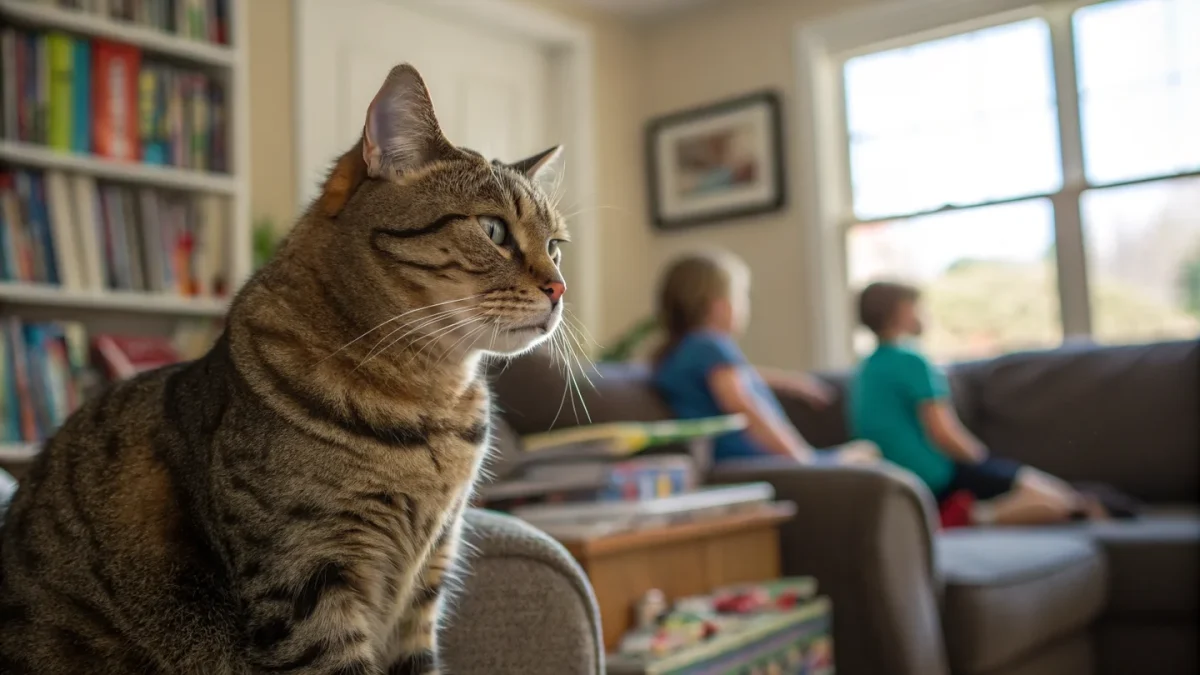
Most breed match articles spend significant time on caveats — the reasons this particular breed isn't right for most people. The American Shorthair article is a different experience, because the honest answer to "is this breed right for me" is "probably yes, unless you have a specific requirement it doesn't meet."
For the full breed background, the American Shorthair full breed guide covers history and health. The American Shorthair temperament and adaptability goes deep on why "adaptable" undersells what this breed offers. This article is the practical assessment.
The Genuine Advantages
Natural health: The American Shorthair's centuries of natural selection produced an animal without the breed-specific structural problems that come from extreme type selection. No brachycephalic issues. No extreme body proportions. HCM is a concern (see below), but the overall health picture is significantly better than most pedigreed breeds.
Longevity: 15-20 years is achievable and not unusual. This is a genuine practical advantage for anyone who forms strong attachments to their pets.
Adaptability: Apartments, houses, quiet households, busy families, single people, multi-person households — the American Shorthair adjusts rather than requiring adjustment. Very few breeds offer this range.
With children: Exceptionally good. Patient, sturdy, low-escalation response to rough handling. One of the safest breeds for families with young children.
Manageable care: Weekly brushing most of the year (daily during spring shedding), normal ear and nail care, no specialized dietary requirements. Standard feline care is the right level of care.
What to Know Before Deciding
Spring shedding is real. The dense double coat releases substantially in spring. Daily brushing for four to six weeks, and accepting elevated fur levels during that period, is part of the ownership commitment.
HCM monitoring matters. The American Shorthair has a documented predisposition to hypertrophic cardiomyopathy. Acquiring from a breeder who performs echocardiogram screening of breeding cats reduces risk. Regular veterinary cardiac monitoring over the cat's life is responsible ownership.
They need playtime. Not as intensely as high-energy breeds, but daily engagement — play sessions, puzzle feeders, window access — prevents the mild weight gain and understimulation that can happen with a moderately active cat in a low-stimulation environment.
They're not extreme. If you specifically want extreme vocal interaction (Oriental Shorthair territory), exotic appearance (Bengal, Turkish Angora), or maximum social intensity (Devon Rex), the American Shorthair won't deliver that. The balanced, moderate personality is the point — but "balanced and moderate" is genuinely the preference of the majority of cat owners.
Who This Breed Suits Best
Families with children of any age. First-time cat owners who want a forgiving, responsive companion. Households with other cats or appropriate dogs. Single adults who want consistent affection without high-demand relationships. Seniors who want a manageable, long-lived companion. Apartment dwellers who provide adequate enrichment. Working people who can't be home all day.
The Honest Bottom Line
The American Shorthair doesn't have the flashiest story — no Ottoman court history, no accidental mutation, no near-extinction rescue. It's a cat shaped by centuries of practical function that happens to produce excellent companion qualities.
For the owner who genuinely just wants a great cat — healthy, warm, adaptable, honest — it's hard to make a better argument for any other breed.