

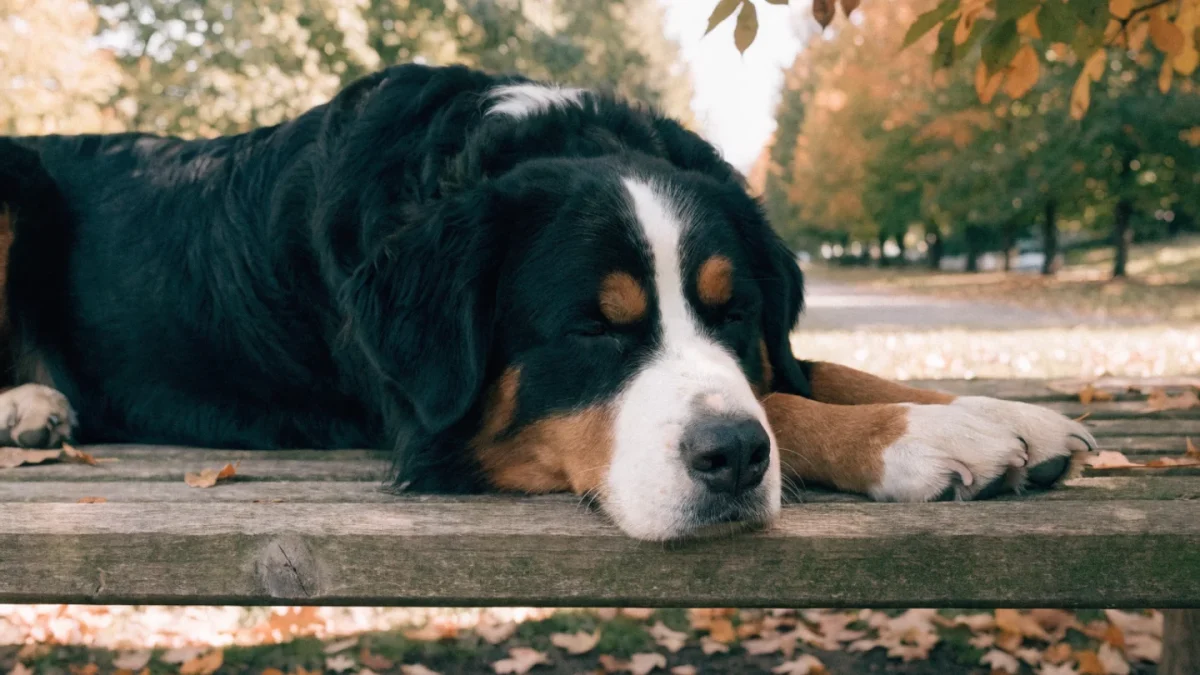
I've been writing about dog breeds for more than a decade, and the Bernese mountain dog consistently generates more anguished follow-up questions than any other breed I cover. Not because people made bad decisions — most Berner owners adore their dogs. Because they weren't warned. They fell in love with the temperament, the tricolor coat, and the gentle-giant reputation, and nobody told them what the next seven years would actually cost — financially, emotionally, and in the particular grief that comes with losing a dog that should have had more time.
This isn't a list of pros and cons. This is the conversation you need to have with yourself before you commit.
The Lifespan Question Comes First
Before anything else about this breed — before temperament, grooming, or exercise — you need to sit with one fact: the median lifespan of a Bernese mountain dog is approximately 7 to 8 years. Cancer is the leading cause of death, with histiocytic sarcoma being disproportionately common.
Some Berners live to 10, 11, or even 12. But building your expectations around the outliers rather than the median is a mistake. You're likely looking at 7 to 8 years with your dog, from the moment you bring it home to the day you say goodbye.
Can you live with that? Not theoretically. Actually. Because when a 4-year-old Berner is diagnosed with cancer and you're sitting in a veterinary oncology waiting room, "theoretically" doesn't help.
If the answer is genuinely no — if a short lifespan is something that would break you rather than sadden you — a Bernese mountain dog is the wrong breed, and there's no shame in recognizing that. Choosing a different breed because you know your own limits is responsible, not weak.
The Financial Reality
Bernese mountain dogs are expensive to own. Not just the acquisition cost, but the ongoing veterinary bills that come with a breed predisposed to cancer, hip and elbow dysplasia, bloat, and various other conditions.
Routine care scales with size — more food, larger medication doses, higher anesthesia costs, bigger everything. Then there's the non-routine care. Cancer treatment can run into the thousands. Orthopedic surgery for cruciate tears or hip dysplasia is similarly expensive. Bloat requiring emergency surgery is a time-critical, high-cost event. You don't need all of these to happen. You just need one.
Pet insurance taken out early can mitigate some costs, but read the coverage carefully — some policies exclude breed-specific conditions or cap cancer payouts.
Your Living Situation
Bernese mountain dogs need space — not necessarily a mansion, but enough room for a large dog to move comfortably indoors, and access to outdoor areas for exercise. A house with a fenced yard is ideal. Apartment living is possible but requires genuine commitment to daily outdoor exercise, and you should factor in the logistical challenges of managing a 40-plus kg dog in elevators, hallways, and stairwells.
Climate matters more than square footage. Berners are cold-weather dogs. They handle snow and frost happily. Heat is a real problem. If you live somewhere that's consistently hot and humid for several months of the year, you need reliable air conditioning and a plan for exercising the dog only during the coolest hours. This isn't optional — heatstroke is a genuine risk.
Your Schedule
This breed does not do well with prolonged isolation. A Bernese mountain dog left alone for 8 to 10 hours daily while you're at work will suffer. It may not show it with dramatic destruction (though some will), but the chronic stress of isolation erodes the bond and the dog's mental health over time.
If you work long hours away from home, can you arrange for a dog walker, a dog daycare arrangement, or a family member who's home during the day? If not, a Bernese mountain dog is a poor fit. The breed was developed to work alongside humans, and that companionship requirement isn't something you can train away.
Your Tolerance for Hair and Mess
I include this because it matters more than people expect. A Bernese mountain dog sheds heavily. The long double coat drops fur year-round, with two massive blowouts in spring and fall. Grooming takes multiple sessions per week. Your furniture, your clothes, your car, and occasionally your food will contain dog hair.
Beyond the coat, Berners are messy drinkers, often track mud and debris indoors, and take up significant physical space. If you maintain a pristine home and the idea of constant cleaning bothers you at a core level, this breed will make you miserable. That's not a judgment — it's a compatibility assessment.
Who Fits — and Who Doesn't
The best Berner owners I've encountered share a few traits. They're home most of the day. They live in a cool climate or have infrastructure to manage heat. They've owned large dogs before. They have the financial buffer for veterinary emergencies. And they've made peace with the lifespan — deciding that quality of years matters more than quantity.
If you want an athletic companion for distance running or high-energy dog sports, the Berner's moderate activity level will frustrate you. If you travel frequently, the separation is hard on both of you. If you're a first-time dog owner, the combination of size, health complexity, and short lifespan is a lot to take on without prior experience. And if you need a 12- to 15-year companion, this is not that breed. Prospective owners attracted to the gentle-giant working-dog temperament but hoping for a longer median lifespan may find the Newfoundland breed guide a useful comparison — a breed that shares the Berner's calm, people-bonded character and Swiss-Alps-scale size while carrying somewhat different health statistics.
The right decision requires honesty about what you can provide and what you can withstand. The full Bernese mountain dog breed guide covers the practical details. The Bernese mountain dog puppy buying guide addresses what to look for if you've decided to move forward. But the decision itself comes down to whether you can give this dog everything it needs for the time it has — and whether you're ready for how short that time might be.