

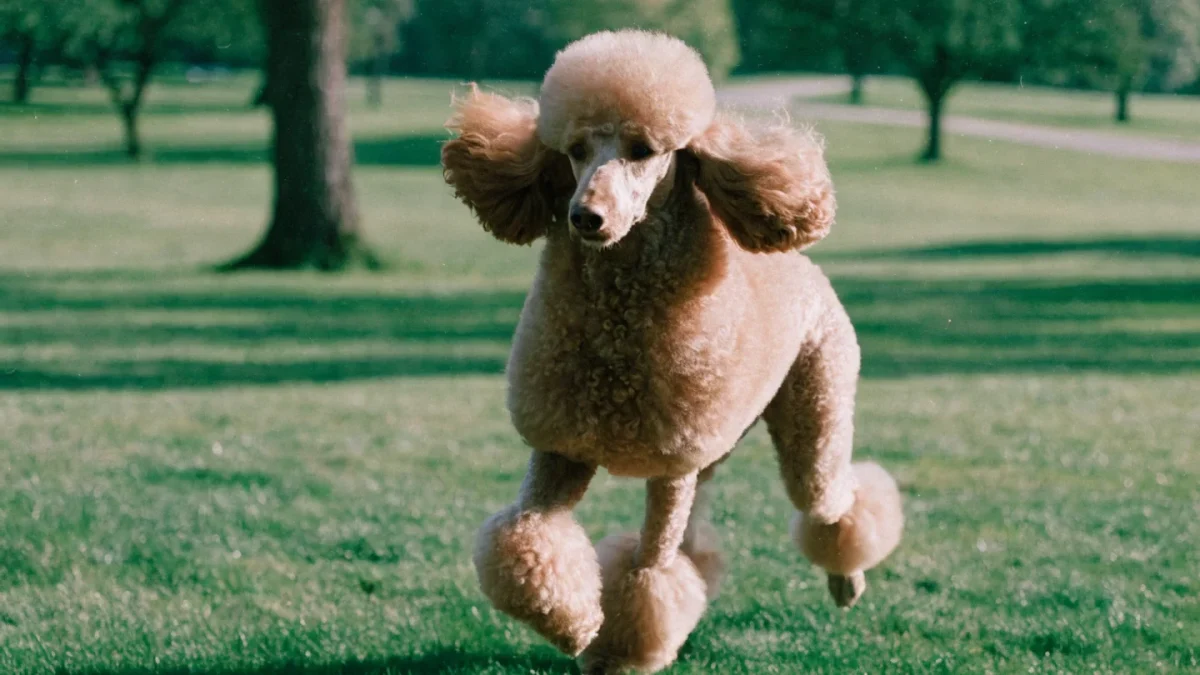
Poodles held the number-one spot in American Kennel Club registrations for 22 consecutive years — a record no other breed has come close to matching. During that same era of peak popularity, surrender rates to breed-specific rescue organizations climbed steadily. Popularity and returns are directly correlated in dogs, and the poodle is a textbook case of what happens when a breed's reputation doesn't match its reality.
The real poodle is not the low-maintenance, naturally well-behaved, hypoallergenic fashion accessory that marketing has created. It is an exceptionally intelligent, emotionally demanding, grooming-intensive dog that gives extraordinary returns to the right owner and drives the wrong one to frustration. The full poodle breed guide covers the breed in depth. This piece is simpler: should you actually get one?
The Three Non-Negotiable Commitments
Grooming: Every Four to Six Weeks, for Life
This is the commitment that eliminates the most prospective owners — and should. The poodle coat grows continuously, doesn't shed in the conventional sense, and mats aggressively if not maintained. Professional grooming every four to six weeks is the minimum. Between appointments, you're brushing every one to three days, checking for mats behind ears and in armpits, and cleaning ears weekly.
The cost is real. Grooming a Standard Poodle runs significantly more than smaller breeds simply because there's more coat to manage. Multiply that by every month for the dog's lifespan — 10 to 18 years depending on variety — and grooming becomes one of the largest lifetime ownership costs after veterinary care.
If the idea of a standing grooming appointment every month sounds like a burden rather than routine maintenance, a poodle is not your breed. This doesn't change. The coat doesn't get easier. It's a permanent obligation.
Mental Stimulation: The Need That Walks Get Wrong
Physical exercise matters — Standards need 60 to 90 minutes daily, Miniatures 45 to 60, Toys 30 to 45. But here's what catches first-time poodle owners off guard: a tired poodle that hasn't been mentally challenged is still a restless poodle.
Poodles need to think. Daily training sessions, puzzle toys, scent games, learning new skills — these aren't enrichment extras. They're baseline requirements. The breed was ranked second in obedience intelligence for a reason, and that intelligence doesn't shut off when the walk ends. A poodle that gets only physical exercise and no cognitive work will channel its brainpower into activities you didn't authorize: opening cabinets, dismantling objects, barking at patterns only it perceives.
If your idea of dog ownership is walks and couch time, with occasional training, a poodle will outgrow your engagement level within weeks.
Emotional Presence: They Notice When You're Not There
Poodles bond deeply. That phrase appears in every breed description and gets glossed over every time. What it means practically is that your poodle tracks your location in the house, reads your mood accurately enough to adjust its own behavior, and experiences genuine distress when separated from you without proper conditioning.
Separation anxiety is a documented concern across all three sizes. A poodle left alone for eight-plus hours daily without gradual conditioning and enrichment strategies isn't just bored — it's anxious. The symptoms range from nuisance barking and destructive chewing to refusal to eat and compulsive self-grooming.
This isn't a dog you get and then work around. It's a dog that expects — and biologically needs — to be part of your daily life in an active, present way.
Signs a Poodle Is Right for You
You enjoy learning alongside your dog. Training isn't a chore — it's the part of dog ownership you look forward to. You find it satisfying when your dog watches your face, anticipates your cues, and responds to subtlety.
You have a stable routine. Not rigid, but consistent. Poodles do well with predictable patterns: regular exercise times, consistent household energy, reliable companionship. Chaotic schedules and frequently changing living situations destabilize them.
You see grooming as maintenance, not a hassle. You'd keep up with car oil changes or dental appointments without complaint, and you'll approach dog grooming the same way.
You want a relationship, not just a pet. The poodle gives back proportionally to what it receives. Owners who invest time, engagement, and emotional consistency describe the breed as the most rewarding they've ever owned.
Signs a Poodle Is Wrong for You
You travel frequently and can't bring the dog. Poodles in boarding or with rotating caretakers often develop anxiety-related behaviors.
You want a dog that's content with independence. Some breeds handle solitude well. Poodles fundamentally don't.
You're drawn to the hypoallergenic marketing. The reduced shedding is real but not absolute. If severe allergies are the primary motivation, spend extended time with the specific poodle variety before committing.
You want low ongoing costs. Between grooming, the breed's health predispositions, and the quality nutrition a poodle's coat requires, this is not an inexpensive breed to maintain.
Choosing the Right Size
If the commitments above sound manageable, the next question is which variety. The Standard vs Miniature vs Toy comparison breaks this down fully, but the short version: Standards for active lifestyles with space, Miniatures for versatility across living situations, Toys for close companionship in compact environments. All three sizes carry the same grooming and mental stimulation requirements. The exercise demands and health profiles are what vary.
The Right Owner for This Breed
After ten years of writing about breeds, poodles are the one I find most consistently underestimated. People expect a pretty dog and get a brilliant one. People expect low-maintenance grooming and get the highest-maintenance coat in the sporting group. People expect decorative and get athletic.
The owners who thrive with poodles are the ones who wanted exactly what the breed actually is — not what the marketing promised. If you read this list of commitments and thought "that sounds like my kind of dog," it probably is.
Frequently Asked Questions
Are poodles good for first-time dog owners?
Poodles can work for first-time owners who are prepared for the grooming commitment and willing to invest in training from day one. Their intelligence and trainability make them responsive to consistent handling. The risk for first-time owners is underestimating the mental stimulation requirement — a first-time owner who only does basic obedience will quickly have a bored, creative poodle inventing its own agenda.
Can poodles be left alone during a workday?
Adult poodles can handle moderate alone time (four to six hours) if they've been gradually conditioned and provided with enrichment during absence. Puppies need significantly more frequent check-ins. Eight-plus hour days alone without a midday break or enrichment plan are likely to produce anxiety-driven behaviors in most poodles, regardless of size.
Are poodles expensive to own?
Yes, relative to many breeds. Professional grooming alone adds a significant recurring cost — monthly for the dog's lifetime. Health predispositions vary by size but can include costly conditions like Addison's disease (Standards) or patellar luxation surgery (Miniatures and Toys). Factoring grooming, veterinary care, quality nutrition, and enrichment tools, poodles sit in the upper tier of ownership costs.