

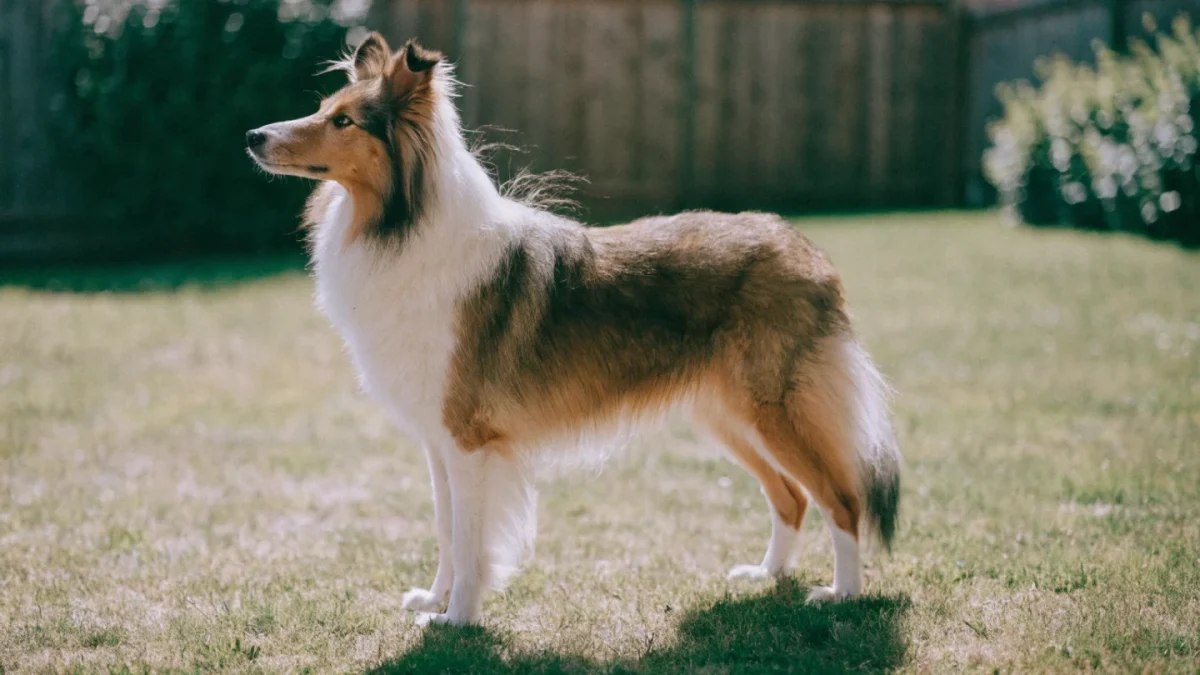
I've spent years watching people fall for Shetland Sheepdogs at dog shows, in parks, or scrolling through social media — then struggle when the reality of living with one doesn't match the picture in their heads. The Sheltie's beauty is genuine. So is its intelligence, its devotion, and its eagerness to work. But so is the barking, the grooming demand, the emotional sensitivity, and the breed's genuine need for a specific kind of owner.
This isn't a pros-and-cons list. It's a compatibility check. The Sheltie isn't a good dog or a bad dog — it's a specific dog, with specific needs, and the honest question is whether those needs line up with your life.
The Noise Factor
Start here, because this is where the largest number of Sheltie placements go wrong.
Shetland Sheepdogs bark. Not occasionally. Not only when provoked. Routinely, reflexively, and at a pitch that carries through walls. Doorbells, passing dogs, delivery trucks, wind chimes, birds, neighbors arriving home — all of it generates vocal response. The complete breed guide covers the herding origins of this behavior in detail, but the practical question is simpler: can you live with it?
If you're in a detached house with tolerant neighbors, bark management through training and exercise is realistic. If you're in a thin-walled apartment, or your partner has low noise tolerance, or you work from home taking video calls — weigh this very carefully. Training reduces the frequency and duration. It does not produce a quiet dog.
The Grooming Commitment
A Shetland Sheepdog's coat requires thorough brushing two to three times per week minimum, with daily sessions during the twice-yearly undercoat blow. Mats form behind the ears, under the front legs, and in the hindquarter feathering if you skip even a week. A matted Sheltie is an uncomfortable Sheltie, and severe matting eventually requires shaving — which damages the double coat's insulation function.
Some people find grooming meditative. They enjoy the routine, the physical closeness, the visible result of a well-maintained coat. If that describes you, Sheltie grooming is bonding time. If it sounds like a chore you'll eventually start skipping, be honest with yourself about that.
The Sensitivity Equation
Shelties react to the emotional temperature of their home. This is not a metaphor. A Sheltie in a household with frequent raised voices, unpredictable schedules, or tense interpersonal dynamics will develop anxiety symptoms — pacing, excessive licking, reluctance to eat, escalated barking, and sometimes self-directed behaviors like tail chasing.
This sensitivity also means Shelties respond poorly to heavy-handed corrections. If your instinct when a dog misbehaves is to raise your voice or use physical correction, a Sheltie will not toughen up and comply. It will shut down, lose trust, and become fearful. Recovery from that damage is slow and sometimes incomplete.
The flip side is that this sensitivity makes Shelties astonishingly responsive to positive methods. Clear communication, consistent expectations, and genuine praise produce a dog that's eager to cooperate and visibly pleased when it gets things right. The relationship requires emotional consistency from you, and it rewards that consistency with devotion that borders on telepathy.
Time and Presence
Shelties do not tolerate extended solitude well. This is a breed that was developed to work alongside a handler all day on small island farms. The expectation of constant human proximity is baked into the temperament.
If your workday keeps you away from home for nine or ten hours, and you don't have a family member, dog walker, or daycare arrangement that breaks up that absence, a Sheltie will suffer. Not dramatically — probably not destructively — but through creeping anxiety that erodes the dog's wellbeing over months and years. You'll see it in the bark intensity when you leave, the frantic greeting when you return, and the shadow-following that starts the moment you're home.
Working from home or having a flexible schedule is a significant advantage with this breed. So is having a household where someone is usually present, even if different people cover different hours.
Who Thrives With a Sheltie
Based on what I've observed over years of working with the breed, the people who do best with Shelties tend to share certain traits:
They enjoy training as an activity, not just a necessity. Shelties want to learn. Owners who find training sessions genuinely fun — who experiment with new tricks, try different activities, and treat the process as a hobby rather than homework — get the best out of this breed.
They're emotionally steady. Not emotionless. Not stoic. Just consistent. The Sheltie needs to predict its owner's responses. If praise comes after a good behavior one day and indifference the next, the dog can't build a reliable framework. Consistency is the currency of trust with this breed.
They have time for grooming. Not just willingness — actual time in their week, reliably, for coat maintenance. And they either enjoy it or have accepted it as a non-negotiable part of the deal.
They find the barking manageable, not infuriating. The people who live happily with Shelties have either a high noise tolerance or a good sense of humor about it. The people who find barking genuinely stressful are miserable.
Who Should Look Elsewhere
No shame in it. Not every breed fits every person, and a mismatch is worse for the dog than for the owner.
Consider a different breed if you want a dog that greets every stranger warmly — Shelties are reserved and selective. If you want independence — a dog that self-entertains while you handle other things — the Sheltie's need for engagement will feel clingy. If your household is noisy and chaotic by nature, the Sheltie's sensitivity will turn that environment into a stress trigger. Owners drawn to the Sheltie's herding intelligence and trainability but wanting a more physically robust breed may find the Border Collie a useful comparison point.
First-time dog owners can succeed with Shelties, but only if they're willing to invest in learning about positive reinforcement training and commit to socialization during the critical puppy period. The breed forgives a lot of beginner mistakes if the underlying relationship is consistent and kind. It does not forgive harshness or neglect.
The common misconceptions about Shelties covers several of the myths that lead to mismatched placements. Reading it before making a decision is worth your time.
The Honest Bottom Line
A Shetland Sheepdog will give you its full attention, its loyalty, and its best effort every single day. It will learn faster than you expect, bond more deeply than you anticipated, and watch you with an intensity that's either deeply comforting or mildly unnerving, depending on your personality.
What it asks in return is a calm home, a present owner, a brushed coat, and the patience to manage a bark that isn't going away. If that exchange works for your life, a Sheltie will be one of the best dogs you'll ever own. If it doesn't, both of you deserve to know that before the commitment is made.