

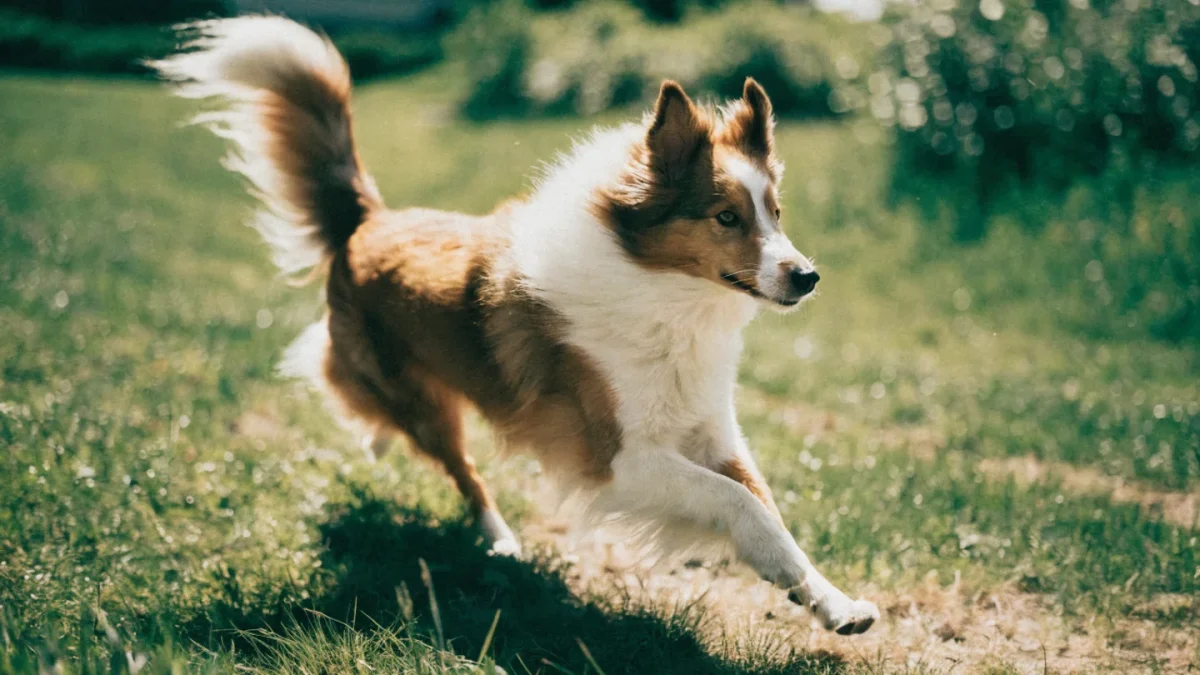
The original Shetland Sheepdogs covered rough, hilly terrain for hours each day, managing small flocks across treeless hillsides in near-constant wind. They weren't running marathons — they were trotting, circling, darting, and making constant micro-decisions about flock movement. That pattern of sustained moderate activity interspersed with bursts of speed is exactly what the modern Sheltie's body and brain are still wired for.
Shetland sheepdog exercise needs fall into a middle zone that trips people up. Shelties aren't couch potatoes — despite their manageable size, they carry the drive of a working herding breed. But they also aren't Border Collies, demanding three hours of intense activity before they'll consider lying down. The sweet spot is 45 to 60 minutes of purposeful daily exercise, structured so that the brain works as hard as the body.
The Numbers
An adult Sheltie in good health needs 45 to 60 minutes of exercise daily. This should be split across at least two sessions rather than crammed into a single outing. A morning walk of 20 to 30 minutes and an afternoon session of similar length — ideally involving different activities — is a reliable baseline.
The mistake most new Sheltie owners make is assuming that physical exercise alone is enough. A 45-minute walk where the dog trots beside you at a steady pace is good cardiovascular work, but it barely touches the Sheltie's mental energy reserves. You'll come home to a physically tired dog that's still mentally restless, and that restlessness comes out as barking, circling, shadow-chasing, or fixating on household sounds.
The Shetland Sheepdog temperament profile explains why this happens: the breed's intelligence is always running, and it needs structured channels. Exercise for a Sheltie means body and brain, together.
Activities That Work
Agility
This is the Sheltie's signature sport. The combination of speed, tight turns, handler-reading, and rapid decision-making maps perfectly onto the breed's strengths. Shelties are fast — surprisingly fast for their size — and their low center of gravity lets them change direction with almost no deceleration. In competition, Shelties regularly post times that rival much larger breeds.
You don't need competition-level equipment to use agility principles. Backyard setups with a few jumps, a tunnel, and weave poles provide excellent physical and mental exercise. The key is the handler-dog communication: the Sheltie has to read your body language, anticipate the next obstacle, and execute — all at speed.
Obedience and Rally
Shelties thrive on precision tasks. Formal obedience exercises — heeling patterns, retrieves, directed jumping, signal exercises — give the dog a structured framework that satisfies its need for cooperative work. Rally obedience, which combines obedience exercises with a course-style format, adds variety that prevents the repetition fatigue some Shelties develop in straight obedience drilling.
Herding
If you have access to herding lessons or livestock, try it. Many Shelties that have never seen a sheep will instinctively begin working stock when given the opportunity. Watching a companion Sheltie discover its herding instinct is remarkable — the posture changes, the movement patterns shift, and centuries of breeding suddenly become visible in a dog that's spent its whole life in a suburban backyard.
Structured Walks With Variety
Not every day needs a formal sport. A walk that incorporates varied terrain, opportunities for problem-solving, and some off-leash time in a secure area is solid daily maintenance. Change routes regularly. Let the dog investigate new environments. Incorporate short training sequences — sits at corners, directional changes on cue, recall practice — into the walk so the brain stays engaged.
Puppies and Developing Dogs
Sheltie puppies are energetic but physically immature. Over-exercising a growing puppy risks damage to developing joints and growth plates. The standard guideline of five minutes of structured exercise per month of age, twice daily, is reasonable. A four-month-old puppy gets about 20 minutes per session; a six-month-old gets 30.
Free play on soft surfaces — grass, carpet — is different from forced repetitive exercise like jogging on pavement. Puppies should set their own pace during play. They're good self-regulators when the environment allows it.
The socialization component of puppy exercise matters as much as the physical component. Varied environments, controlled exposure to novel stimuli, and positive experiences with different surfaces, sounds, and people build the confidence foundation that prevents the anxiety-driven behaviors adult Shelties are prone to. As the complete breed guide covers, early socialization windows are especially critical for a breed that naturally tends toward reserve.
Senior Shelties
Shelties age gracefully compared to many breeds, and healthy seniors often maintain meaningful activity levels well into their teens. A 12-year-old Sheltie with good joint health and maintained fitness will still want — and benefit from — 30 to 40 minutes of daily activity. The pace slows, the intensity drops, and rest periods between activities get longer, but the need for mental engagement doesn't diminish.
Low-impact activities like gentle walks, scent games, and modified trick training keep older Shelties mentally sharp without stressing aging joints. Swimming, where available and if the individual dog tolerates it, provides excellent low-impact cardiovascular exercise.
When Exercise Isn't Enough
If your Sheltie is getting adequate exercise and still displaying anxious or destructive behavior, the issue probably isn't volume — it's the type of stimulation. Adding more walking minutes won't help a dog that needs cognitive challenge. Puzzle feeders, scent work, learning new tricks, and environmental enrichment address the mental side of the equation.
A Sheltie that gets 45 minutes of combined physical and mental exercise daily and still seems unsettled may be dealing with separation anxiety, environmental stress, or a medical issue. Exercise is maintenance, not a cure-all. It keeps a healthy, well-adjusted Sheltie balanced. It doesn't fix underlying anxiety that has other roots.