

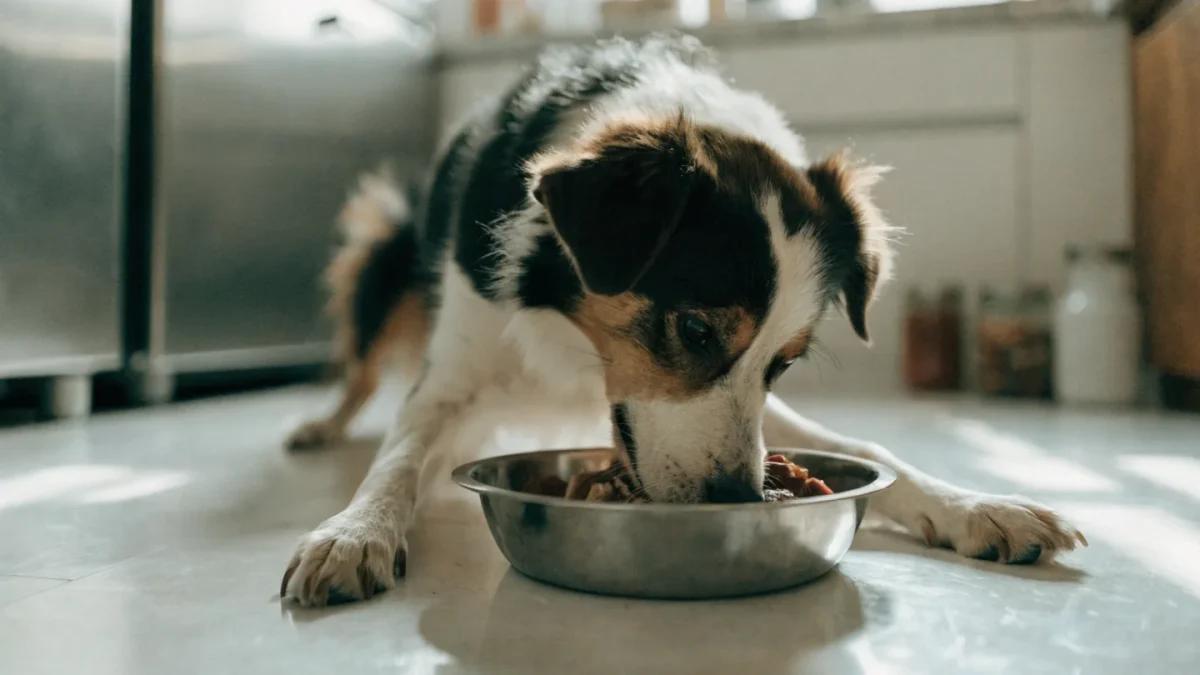
Last spring, a client named Veronika brought in her two-year-old Vizsla, Copernicus, for a wellness visit and mentioned she was thinking about switching him to raw. She'd done research, she said. She had a folder. Recipes from a forum, a supplement protocol she'd found online, a plan to source from a local farm.
I told her I thought raw feeding could work for Copernicus. And then I told her the folder was the problem.
Forum recipes, online calculators, and well-intentioned supplement stacks are not nutritional design tools. They're starting points that need professional verification — and most of them have significant gaps. I've seen that combination cause bone density problems, vitamin A toxicity, and taurine deficiency. The good news is that starting raw safely is straightforward if you follow the right sequence.
Step 1: Decide on Your Format Before Buying Anything
There are three practical options for raw feeding dogs:
Commercial complete raw — frozen or freeze-dried patties, rolls, or pre-portioned meals formulated to meet nutritional standards. Best starting point for anyone new to raw feeding. Nutritional formulation is handled by professionals; your job is proper storage and handling.
Commercial premix with added meat — a base mix of vegetables, minerals, and supplements to which you add your own fresh meat. Requires you to source and add the right amount and type of meat, but the supplementation work is done. Simpler than fully homemade but more involved than complete commercial.
Fully homemade — you design or follow a recipe covering meat, bone content (or calcium supplement), organs, and any additional supplements. Highest potential for nutritional problems. Not where I'd recommend starting.
I strongly recommend starting with commercial complete raw, at minimum for the first 3–6 months. Once you understand your dog's response and have baseline monitoring data, you can explore other formats if you choose.
Step 2: Get Baseline Bloodwork
Before changing anything. A complete blood count and chemistry panel, ideally including a taurine level if you're interested in long-term monitoring. This creates a reference point. Without it, you have no way to know whether changes at your 6-month follow-up represent improvement or decline.
This step gets skipped constantly, and then owners have no data to evaluate whether the diet is working biochemically. Don't skip it.
Step 3: Transition Gradually
Cold turkey switches from kibble to raw can cause significant digestive upset — loose stools, vomiting, discomfort. The gut microbiome shifts substantially when diet composition changes dramatically, and rapid shifts are hard on the GI tract.
A 10–14 day transition works well for most dogs:
- Days 1–3: 25% new food, 75% old food
- Days 4–6: 50% new, 50% old
- Days 7–10: 75% new, 25% old
- Day 11+: 100% new
Some dogs — particularly those with sensitive stomachs or a history of GI problems — need a slower transition. If you see persistent loose stools beyond day 4 or 5 at any stage, slow down. Go back to the previous ratio for a few more days before progressing.
The nutritional ratios to get right in a raw diet is especially relevant if you're using a premix or homemade approach — the transition timing matters less than the formulation quality.
Step 4: Food Safety Protocols
Raw meat for pets carries the same pathogens as raw human food. Your protocols should reflect this.
Storage: Keep raw food frozen until use. Thaw in the refrigerator, not on the counter. Use within 2–3 days of thawing (check manufacturer guidance for commercial products).
Preparation: Dedicated cutting boards and utensils for raw pet food, not shared with human food preparation. Wash bowls with hot water and soap after each meal. Don't let the dog lick your face immediately after eating — this is the primary contamination pathway to humans.
Cleanup: Any surfaces the raw food contacted should be cleaned with hot soapy water promptly. Discard any food not consumed within 20–30 minutes (shorter in warm weather).
Handwashing: Always, after handling raw food or feeding bowls. This is the single most effective contamination prevention measure.
If anyone in your household is immunocompromised, pregnant, very young (under 5), or elderly, discuss the bacterial contamination risks with both your vet and their physician before starting raw feeding. The research on raw feeding benefits and risks covers this in more detail.
Step 5: Monitor the Right Things
In the first 4–6 weeks:
- Stool quality (formed, not loose or watery is the goal; expect some change during transition)
- Energy level and overall demeanor
- Coat changes (these take longer — often 6–8 weeks before noticeable)
- Body weight — weigh weekly for the first month, then monthly
At 3 months: repeat bloodwork. Compare to your baseline. Look specifically at protein levels, kidney values, and any markers that were borderline at baseline. If you had taurine measured, repeat it.
At 6 months: reassess body condition score formally and adjust portions if needed. Raw food calorie density varies considerably between products and formulations — some dogs gain weight and some lose on standard serving guidelines. Adjust based on body condition, not just the bag's recommendations.
Common First-Month Mistakes
Switching protein sources too fast. Copernicus, for example, started on chicken (the lowest-risk first protein for most dogs) and his owner wanted to switch to beef at week two. I told her to wait at least 4 weeks on a single protein before introducing a second. Rotating proteins is fine long-term, but early rotation complicates diagnosing digestive issues.
Over-supplementing. Adding fish oil, probiotics, and vitamins on top of a complete commercial raw diet is redundant and can cause imbalances. If the food is complete, let it be complete.
Bones before the gut is ready. If you're incorporating raw meaty bones, start with soft options (chicken necks for smaller dogs, chicken backs for larger) and only after the transition period is complete. Don't give bones during the transition phase.
Ignoring stool changes. Some variation during transition is normal. Persistent loose stools beyond 10–14 days into the new diet warrant slowing down or troubleshooting the formula. They don't normalize on their own.
The complete guide to raw diets for dogs and cats provides the broader context for understanding what you're working toward. This guide covers the execution.
Copernicus, for his part, did well. Veronika started with a commercial complete raw, got her baseline bloodwork, and did the gradual transition. At his 6-month visit, his coat was noticeably better and his bloodwork was stable. She's since moved to a hybrid commercial premix approach with some sourced fresh meat. It works for her lifestyle and for him.
That's the actual goal — a sustainable approach that works for both of you.