

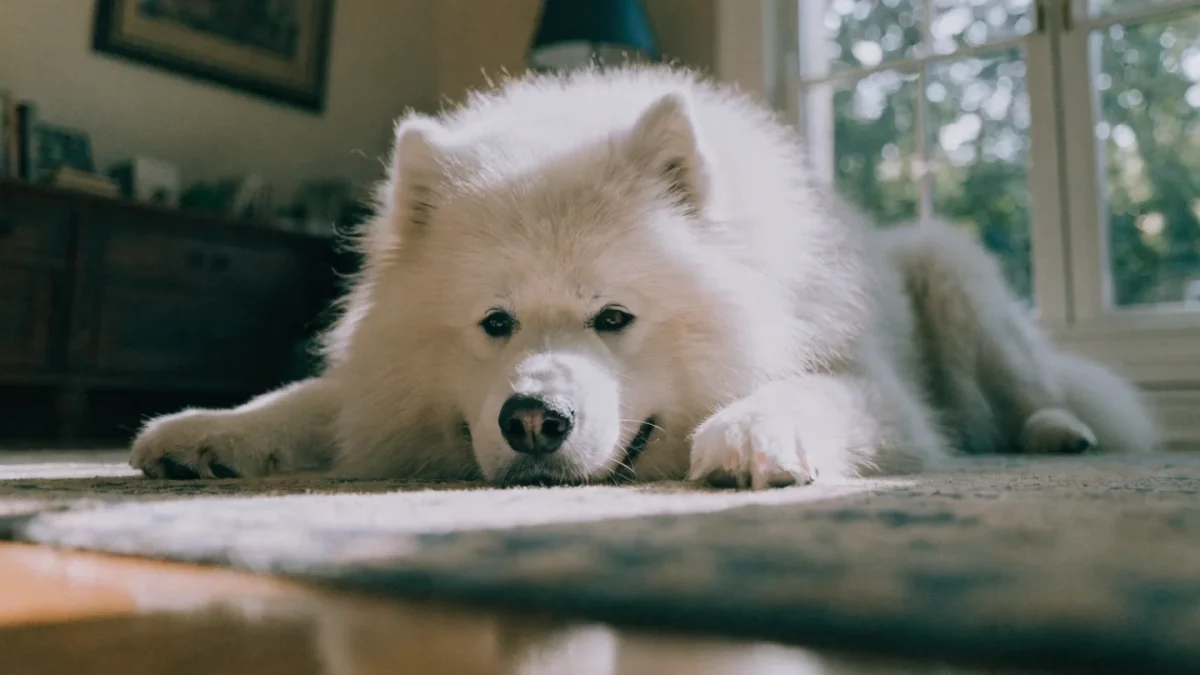
The Samoyed's photogenic appeal — that brilliant white coat, the perpetual smile, the fluffy exuberance — generates a public image that's about thirty percent accurate and seventy percent wishful thinking. People see a cloud-like dog on social media and project an experience onto it that doesn't match the actual animal. Some of these misconceptions are harmless. Others lead to surrenders, frustration, and dogs living in conditions that make them miserable.
Here are five samoyed misconceptions myths that don't survive contact with reality.
1. Samoyeds Are Hypoallergenic
This claim circulates constantly in breed communities, and it's misleading at best.
The idea that Samoyeds are hypoallergenic typically rests on two arguments: they produce less dander than other breeds, and their coat is somehow different from other double-coated dogs. Neither claim holds up to scrutiny.
The primary canine allergen is a protein called Can f 1, produced in saliva, skin cells, and urine. All dogs produce it. Samoyeds produce it. No peer-reviewed study has demonstrated that Samoyeds produce significantly less Can f 1 than other breeds. The allergen gets distributed through the environment when dogs shed, groom themselves, or simply exist in a space — and Samoyeds shed prolifically.
Some people with dog allergies report fewer symptoms around Samoyeds compared to other breeds. This may be related to individual variation in allergen production, differences in coat structure that affect how allergen particles disperse, or simply the placebo effect of wanting the claim to be true. But anecdotal tolerance is not the same as being "hypoallergenic" — a term that means reduced allergen production, not zero, and even that reduced claim lacks consistent scientific support for this breed.
If you have dog allergies, spend significant time with Samoyeds before committing. Visit a breeder or foster home multiple times. Your individual reaction is the only data that matters.
2. Samoyeds Are Outdoor Dogs
The logic goes: they have thick Arctic coats, they were bred for Siberian conditions, so they must prefer living outdoors.
This gets the breed's history exactly backward. The Samoyed's origins trace to the Samoyede people of Siberia, who kept their dogs inside the family tent. Not outside it. Inside, sleeping alongside humans, sharing body heat. For thousands of years.
A Samoyed left outside in a yard — even a large, well-fenced yard — is not living according to its breed design. It's a social dog experiencing isolation, and it will respond with the behavioral markers of a stressed animal: incessant barking, digging, escape attempts, and deteriorating temperament.
The coat handles cold weather superbly. The dog's emotional architecture requires human proximity. These are not contradictory — they developed together. The Samoyed is an indoor dog that enjoys outdoor activity, not an outdoor dog that tolerates indoor visits.
3. They're Just Big Fluffy Dogs That Want to Cuddle
The cuddling part is accurate. Samoyeds are physically affectionate and will lean, sit on, drape across, and compress themselves against their owners at every opportunity. The "just" part is the problem.
Behind the fluff is a working dog. The breed pulled sleds, herded reindeer, and worked alongside nomadic families across some of the harshest terrain on earth. Modern Samoyeds retain the stamina, the drive, and the energy that heritage produced. A Samoyed that gets only couch time and short walks is not a happy dog — it's an under-exercised working animal expressing its frustration through the behavioral channels available: destruction, vocalization, and restlessness.
The complete breed guide covers exercise requirements in detail. The short version: 60 to 90 minutes daily of real activity. The dog that collapses on your lap in the evening should have earned that collapse through the day's exertion.
People who acquire Samoyeds expecting a large, fluffy companion that needs nothing more than affection and occasional walks are the people who most frequently end up surrendering the breed. The cuddling is real. So is everything else.
4. The White Coat Stains Easily and Is Impossible to Keep Clean
This one surprises people, because it's actually less true than you'd expect.
The Samoyed coat has a harsh-textured outer layer that repels dirt and debris more effectively than softer-coated breeds. A Samoyed that rolls in mud will look alarming, but once the mud dries, much of it brushes or shakes out. The coat's texture creates a self-cleaning effect that's counterintuitive for a white dog.
This doesn't mean the coat is maintenance-free. It requires extensive brushing — three to four times per week minimum, daily during coat blows — to prevent matting and manage the volume of shed fur. Bathing every four to six weeks maintains the coat's cleanliness and texture. But the fear that a white dog will require constant bathing to avoid looking dingy is largely unfounded. The coat's natural structure does more cleaning work than most people expect.
The real maintenance burden isn't staining. It's volume. The sheer amount of hair a Samoyed produces — especially during the biannual coat blows — is the genuine grooming challenge. Staining is manageable. Filling garbage bags with brushed-out undercoat twice a year is the actual reality.
5. They're Not Smart Because They Don't Follow Commands
The Samoyed's reputation for ignoring commands leads many people to conclude the breed isn't intelligent. This confusion between obedience and intelligence is one of the most persistent myths in the dog world, and it's particularly misapplied to northern breeds.
Samoyeds are intelligent dogs. They learn quickly, remember well, and solve problems with creativity that occasionally alarms their owners. What they don't do is comply reflexively. The breed was developed to make independent decisions — a sled dog that follows every command without evaluation is a liability when the trail ahead is dangerous. That independent judgment persists in modern Samoyeds.
When a Samoyed hears "come" and looks at you, looks at the squirrel, and chooses the squirrel, it hasn't failed to understand the command. It's performed a cost-benefit analysis and decided the squirrel offers a better return. This isn't stupidity. It's the breed's temperament working exactly as designed.
Training a Samoyed requires methods that make compliance more rewarding than the alternative, variety that prevents boredom, and acceptance that perfect obedience is not in this breed's contract. A Samoyed will work with you. It won't work for you. The distinction matters.