

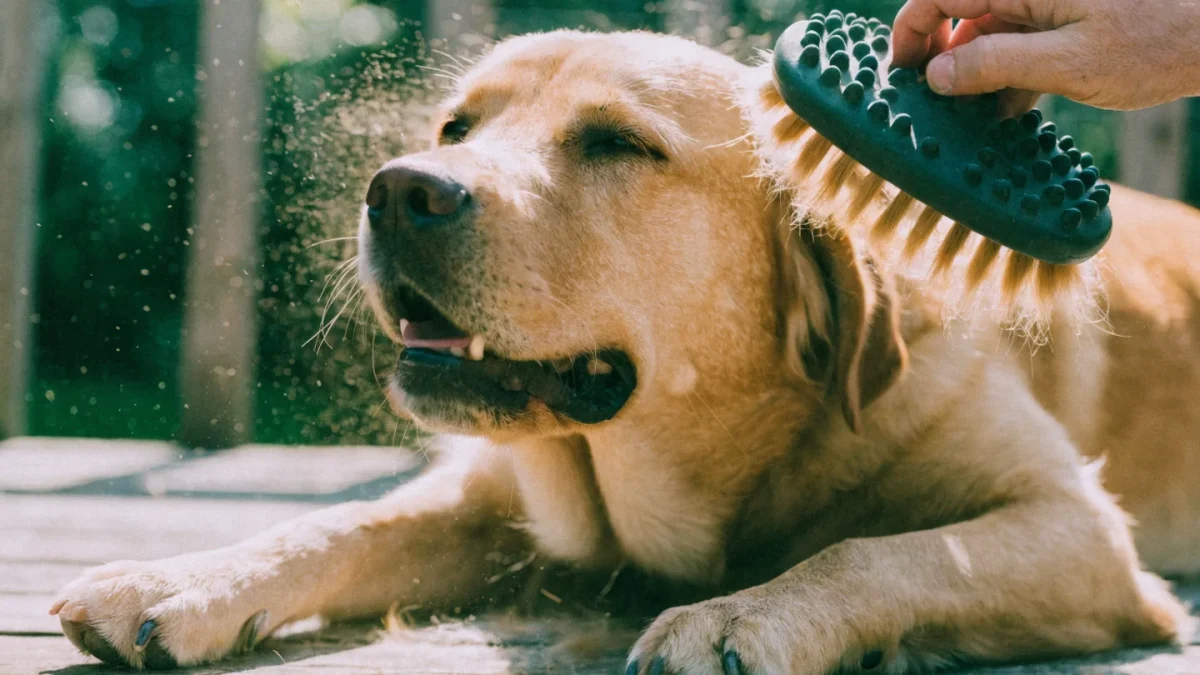
A Labrador owner once told me she vacuumed every day and still found fur in her coffee. I believe her completely. Short-coated heavy shedders are one of dogdom's great ironies: coats that look minimal producing volumes of shed hair that routinely astonish new owners.
The Labrador Retriever. The Beagle. The Pug. The Basset Hound. The Boxer. None of these looks like a high-shedding dog when you see one at the park. But live with one? The short, stiff, needle-like hairs work into upholstery, carpet fibers, and clothing in ways that long-haired breeds simply don't.
Managing this isn't about eliminating shedding — that's not possible. It's about moving the shedding from your furniture to your brush.
Why Short Coats Shed So Much
Most heavy-shedding short-coated dogs have a double coat: an outer layer of short, somewhat stiff guard hairs, and an inner undercoat of fine, softer hair. The undercoat is what creates the volume problem. When a Labrador "blows" coat in spring, the undercoat loosens en masse and exits over 3–6 weeks in quantities that can fill a garbage bag.
Double-coated short breeds cycle through two major sheds annually — spring (winter coat out) and autumn (summer coat out). Year-round shedding at lower rates continues between these peaks.
Single-coated smooth dogs — Greyhounds, Whippets, Dobermans — shed year-round at a constant low rate. Less dramatic, more consistent.
The Tool Stack
Rubber curry brush or mitt: Your primary daily tool. Works by creating static friction against the coat, lifting dead undercoat to the surface for removal. Use against the grain first, then smooth down. Surprisingly effective on short coats because the rubber reaches through the outer coat to the undercoat layer.
Shedding blade: A serrated metal loop tool that strips loose undercoat from the coat surface in large quantities. Excellent during peak blow seasons. Use with light pressure — it's more aggressive than a rubber brush and can irritate skin or damage the outer coat if pressed too hard. Not for bellies, inner legs, or anywhere the skin is thin and sensitive.
Short-pinned slicker: A soft slicker (short, flexible pins) works well for finishing and collecting surface hair that the rubber brush mobilized but didn't remove.
Grooming glove: Some dogs that resist brushes accept grooming gloves. Less effective than a purpose-made tool, but far better than nothing for a dog that fights the brush.
The Brushing Protocol
Normal weeks (non-shed season): 2–3 times weekly. Rubber brush pass over the whole body, finish with a bristle brush or chamois for shine. 10–15 minutes per session.
Shed season: Daily for the duration of the blow. The difference this makes to household hair is dramatic — each day you're capturing the hair that would otherwise spend the next two weeks embedding itself in your couch.
Work in a consistent sequence each session: hindquarters first, up the sides, over the back, down the chest, neck, and head last. Don't skip areas — the chest and belly often get neglected and harbor loose undercoat that continues to shed independently.
Finish each session with a damp cloth wiped over the coat to collect the surface hair the brush missed. This single addition to the routine noticeably reduces flyaway hair in the hours after grooming.
Bathing Strategy During Shed Season
A bath during peak shed accelerates the process significantly. The warm water and shampoo loosen the undercoat comprehensively; thorough blow-drying afterward lifts enormous quantities of loose hair that can then be brushed out.
Some handlers specifically time a bath for the midpoint of a shed season — say, 2 weeks in — to speed the process through its worst phase. This works. The dog sheds massively during and after the bath, but the period of heavy shedding is compressed.
Use a de-shedding shampoo during shed season. These contain ingredients that open the cuticle and loosen the undercoat more effectively than standard shampoos. Not necessary year-round, but useful at peak times.
Diet's Underappreciated Role
Nutrition matters to shedding. Dogs on low-quality diets with inadequate fatty acids tend to shed more excessively than dogs on complete, balanced nutrition. Dry, flaky skin produces more dead cell turnover; thin coat quality means hairs cycle out faster.
Fish oil supplementation (omega-3 fatty acids from marine sources) measurably improves coat quality and reduces excess shedding in dogs with dietary deficiencies. This isn't a cure for normal seasonal shedding, but it does raise the baseline coat quality to its genetic maximum — which for some dogs is substantially better than where they were.
Speak to your vet before supplementing, particularly about dose (too much fish oil has its own problems), but for most heavy-shedding dogs on standard commercial diets, it's a reasonable addition.
Managing the Household
Even with excellent grooming, short-coat shedders will leave hair around the house. Practical household measures:
Furniture covers in the rooms where the dog spends the most time. Washable covers > permanently dog-haired upholstery.
HEPA vacuums — standard vacuums redistribute short dog hairs more than they capture them. A vacuum with genuine HEPA filtration makes a measurable difference.
Lint rollers everywhere. This is non-negotiable.
Air purifiers near dog sleeping areas reduce airborne hair and dander significantly during shed season.
FAQ
Is there a way to stop a short-coated dog from shedding?
No. Shedding is a natural biological process. You can significantly reduce the amount of hair that ends up in your home by managing it proactively through brushing, but you cannot stop it. Anyone selling a product that claims to "stop shedding" is selling something that doesn't work.
Do deshedding tools damage the coat?
Used correctly — light pressure, infrequent use, not on sensitive areas — no. Used too aggressively or daily on a coat that doesn't need it, they can thin the outer coat and irritate the skin. Use deshedding blades and similar aggressive tools only during peak shed season.
Does spaying or neutering affect shedding?
It can. Hormonal changes from spay/neuter alter coat cycle timing and texture in some breeds. Some spayed females develop a slightly fuller, softer coat that sheds differently. This varies considerably by breed and individual.
My dog sheds year-round heavily, not just seasonally. Is this normal?
For double-coated short breeds it's normal to have some year-round baseline shedding with seasonal peaks. Very heavy year-round shedding — beyond what the breed standard would suggest — can sometimes indicate a thyroid issue, skin condition, or nutritional problem. If the shedding seems disproportionate, a vet check is warranted.