

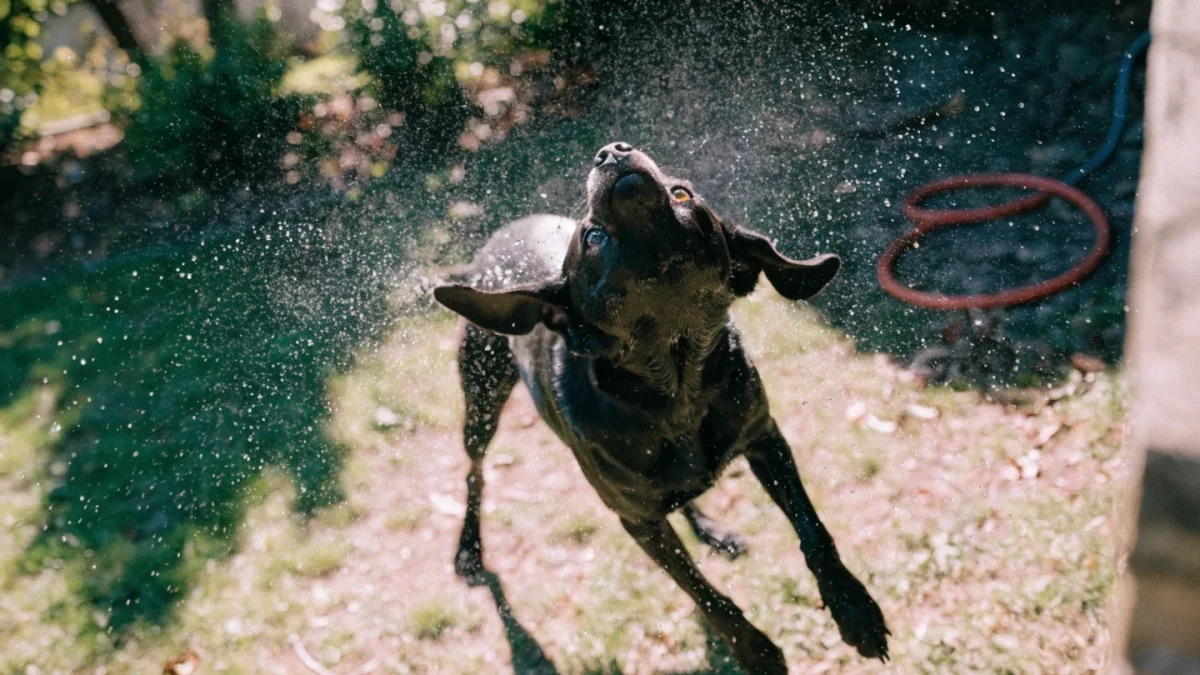
There's a persistent idea that smooth and short-coated dogs need almost no grooming. I understand where it comes from — no mats, no monthly haircuts, no dematting sessions. But "less grooming than a Poodle" isn't the same as "no grooming at all," and the owners who treat short-coated dogs as zero-maintenance often end up with miserable shedding seasons, dull coats, and skin problems they didn't see coming because the short coat hid early warning signs.
The truth: smooth-coated breeds are low effort per session but they need consistency. Weekly is the right rhythm for most of them.
What Smooth and Short Coats Actually Are
"Short-coated" and "smooth-coated" are related but not identical. Smooth coats — Boxers, Dobermans, Weimaraners, Whippets — lie very close to the skin with minimal length. Short coats — Labrador Retrievers, Beagles, Pugs — are slightly longer but still dense and close-lying compared to flowing or wire coats.
Many breeds in both categories have a double structure: a short outer coat over a finer, softer undercoat. Labradors are the classic example — that outer coat looks short and smooth, but there's a substantial undercoat underneath that explains why they shed so dramatically. Single-coated smooth breeds like the Whippet and Doberman shed significantly less.
Understanding which type your dog has shapes the entire grooming approach.
The Core Grooming Toolkit
Rubber curry brush or rubber grooming mitt: The single most useful tool for smooth and short coats. The rubber nubs loosen dead hair, stimulate the skin, and produce a quality shine that hard-bristle brushes can't quite match. Work against the direction of coat growth first to loosen everything, then with the grain to smooth and finish.
Short-bristle brush: A firm natural-bristle brush works well for finishing and distributing the skin's natural oils across the coat. Bristle brushes alone miss much of the dead undercoat — use them after the rubber tool, not instead of it.
Shedding blade: For heavy-shedding breeds like Labradors during blow season, a metal shedding blade (used carefully with light pressure) removes large quantities of loose undercoat quickly. Not for sensitive areas — chest, inside legs, belly.
Chamois or grooming cloth: Buffing a smooth coat with a chamois cloth after brushing adds extraordinary shine. This is how professional show handlers make Dobermans, Weimaraners, and Vizslas look like polished metal.
Medium-toothed comb: For assessing whether you've removed enough undercoat and for checking areas around the neck and chest where small mats can form even in short coats.
Brushing: Frequency and Technique
For most smooth or short-coated breeds, once or twice a week is the right target. During heavy shedding seasons (typically spring and autumn for double-coated breeds), daily brushing for 2–4 weeks makes an enormous difference to how much hair ends up on your furniture.
Technique matters. Don't just skim the surface. Work the rubber tool deeply enough to reach the undercoat layer. You should see loose hair accumulating on the tool after 10–15 strokes over each area. If you're not collecting dead coat, you're not reaching deep enough.
Start at the hindquarters and work forward. Work in sections — rear, sides, back, chest, neck. Finish with a chamois or bristle brush pass from nose to tail.
Most sessions for a medium-sized smooth dog take 10–15 minutes. Not a significant time commitment — but it needs to happen weekly, not just when the shedding becomes conspicuous.
Bathing: When and How
The "bathe when dirty" approach works fine for many smooth-coated dogs. For most active pet dogs, that translates to roughly every 4–8 weeks. Dogs that spend time outdoors, swim frequently, or have skin conditions benefit from more regular bathing — sometimes every 2–3 weeks.
Shampoo selection matters for smooth coats. The coat itself is low-maintenance, but the exposed skin is more directly subjected to whatever product you use. Harsh shampoos strip natural oils from the skin, causing flaking and dullness. A gentle, moisturizing or oatmeal-based shampoo is appropriate for most smooth-coated dogs, especially those with naturally sensitive skin (Boxers, Bulldogs, Shar Peis).
Bathing technique for smooth coats:
- Wet thoroughly against the coat to saturate the skin layer
- Apply shampoo and work in gently — smooth coats don't need aggressive scrubbing
- Rinse completely; soap residue dulls short coats noticeably
- Towel dry thoroughly — smooth coats dry fast, but trapped moisture against skin causes problems in wrinkly breeds
- For show dogs, a chamois buff immediately after towel drying maximizes shine
Skin Health: The Hidden Priority
Short and smooth coats are unforgiving about skin health. A dense double coat can hide early skin problems for weeks before they become visible. A smooth coat? A Boxer with allergies, a Doberman with a zinc-responsive skin condition, a Pug with intertrigo in its facial folds — all of these become apparent quickly.
Run your hands against the coat direction regularly as part of your grooming routine. You're feeling for:
- Scaling or flaking: May indicate dry skin, fungal issues, or nutritional deficiencies
- Redness or inflammation: Often the first sign of allergies or contact dermatitis
- Unusual lumps or bumps: Smooth coats make palpation easy — check regularly
- Areas of coat loss: Alopecia can signal hormonal issues, Demodex mange, or follicular dysplasia
- Hot spots or moist areas: Particularly in wrinkled breeds
Skin problems in smooth-coated dogs are common because many of these breeds were selected for features (wrinkles, compressed faces, extreme muscle definition) that create anatomical challenges. Grooming sessions are your best early warning system.
Wrinkle and Fold Care
For brachycephalic and wrinkled breeds — Boxers, French Bulldogs, Pugs, Bulldogs, Shar Peis — skin fold care is mandatory grooming, not optional. Folds trap moisture, heat, and debris, creating ideal conditions for bacterial and yeast infections.
Clean all facial folds, tail pockets, and any other skin folds two to three times a week with a dry or barely damp cloth. The fold should be opened, the interior wiped clean and dried, and the skin allowed to air. If you're seeing redness, discharge, or odor, the fold needs medical attention — this is dermatitis, not just a grooming problem.
Keeping the fold areas dry is the goal. Some owners dust with cornstarch between cleanings; others use veterinarian-recommended products for fold maintenance. Whatever system you use, consistency is what prevents problems.
Nail and Ear Maintenance
Short-coated dogs need the same nail and ear care as any breed, but their smooth coats mean the paws are more directly exposed to hard surfaces. Cracked paw pads and overgrown nails are easy to spot on a smooth-coated dog — no hiding under feathering.
Monthly nail trims at minimum. More often for dogs that don't naturally wear nails down through activity. Check paw pads for cracking, irritation, or foreign material regularly.
Ear care varies by ear type. Drop-eared smooth breeds (Boxers, Beagles, Bloodhounds) are more prone to ear infections than erect-eared ones. Weekly ear inspection and gentle cleaning with a veterinarian-approved solution is appropriate for ear-infection-prone breeds.
Seasonal Considerations
Double-coated short breeds — Labradors, Beagles, Basset Hounds — go through dramatic seasonal sheds. In spring, they blow their winter undercoat; in autumn, the summer coat gives way to the winter undercoat. These periods last 3–6 weeks and the volume of hair is startling the first time you experience it.
Increase brushing frequency to daily during these periods. A deshedding tool (handled carefully — they can irritate skin if used too aggressively) speeds the process dramatically. The shed ends naturally; daily brushing just accelerates it and keeps it off your furniture.
Single-coated smooth breeds — Greyhounds, Whippets, Dobermans, Weimaraners — shed year-round at a low, steady rate. No dramatic blow seasons, just consistent moderate shedding managed with weekly brushing.
Dental Care During Grooming Sessions
Smooth-coated breeds tend to be physically active, strong dogs. Many of them — Boxers, Dobermans, Pitbull-type dogs — have teeth that their owners never look at until there's a problem. Incorporate a visual dental check into your weekly grooming session. Lift the lips, check the rear teeth for tartar buildup, smell the breath. Monthly tooth brushing is a minimum; weekly is better.
FAQ
Do smooth-coated dogs still shed a lot?
Many do — significantly. Labrador Retrievers, Beagles, Pugs, and Boxers are all short-coated breeds that shed extensively. The short hairs are particularly annoying because they work their way into fabric and carpet in ways that longer hairs don't. Consistent brushing is the primary management tool.
How can I make my smooth-coated dog's coat shinier?
Diet matters — omega-3 fatty acid supplementation (from fish oil) improves coat luster measurably. Regular brushing distributes natural skin oils. Finishing with a chamois cloth after brushing adds shine. A clean, well-rinsed coat after bathing also shines dramatically better than a coat with residual soap.
Can I use a slicker brush on a smooth coat?
A soft slicker is fine for finishing and removing loose hair from the surface. Hard or medium slicker brushes can be irritating on smooth coats because there's no dense coat to buffer the pins from the skin. Rubber tools are generally gentler and more effective for smooth and short coats.
How often should I bathe my short-coated dog?
Every 4–6 weeks for a typical pet dog with normal activity levels. More often if the dog swims frequently, gets visibly dirty, or has a skin condition requiring medicated shampoo. Overbathing strips skin oils and can cause dryness — if your dog's skin looks or feels dry after bathing, extend the interval or switch to a gentler shampoo.
Are smooth-coated dogs easier to groom than double-coated breeds?
Per session, yes — significantly. The sessions are shorter and simpler. But smooth-coated dogs need the same consistency of care. Skipping grooming because the coat looks fine is the most common mistake smooth-coat owners make.