

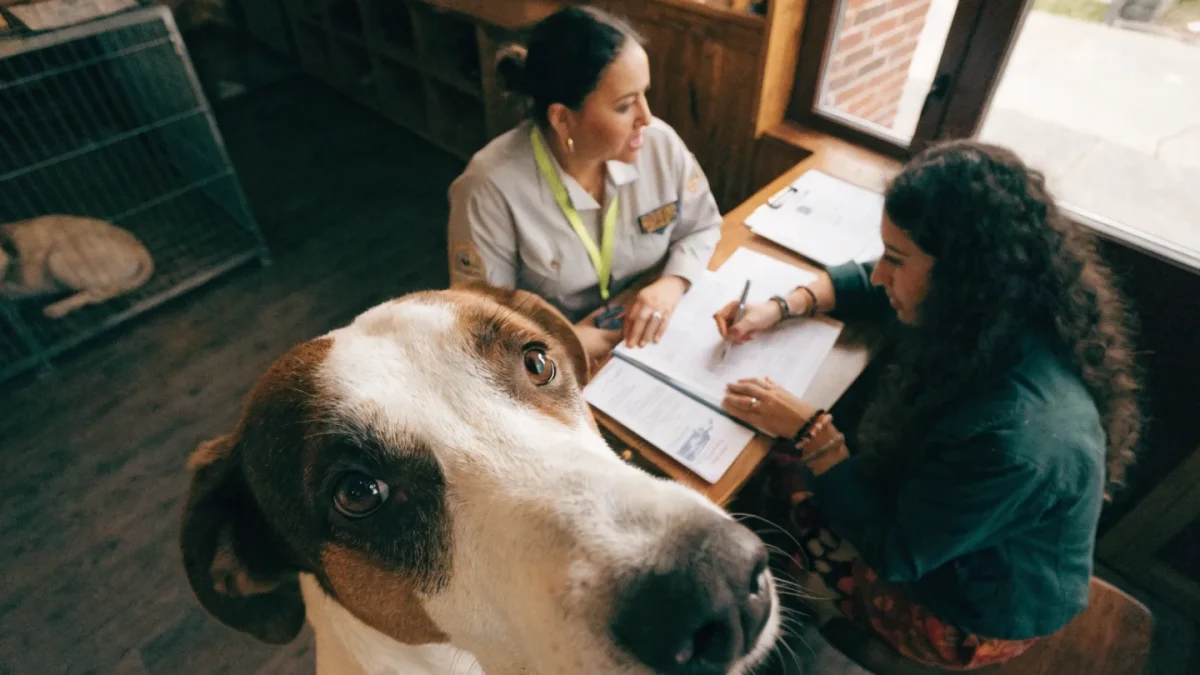
The first time I adopted a pet, I showed up at the shelter with basically no plan — just an intention to adopt a cat and enough nervous energy to power a small generator. I had no idea there'd be paperwork, an interview, a waiting period. I thought you just… pointed at an animal and signed something.
It went fine, eventually. But I would have been calmer going in if someone had told me how it actually works.
So here's how it actually works.
Step One: Research Before You Go
You don't have to show up cold. Most shelters have their available animals listed online, often updated daily. You can browse profiles, see photos, read notes from staff about a particular animal's personality and needs.
A few useful things to look up before your visit:
- The shelter's hours and whether you need an appointment (some require it, especially on weekends)
- Their general adoption requirements — some shelters have policies about renters, fenced yards, or households with young children that it helps to know upfront
- Whether they do same-day adoptions or require an approval period
- Adoption fees and what's included
That said, don't over-research. I've seen people arrive at shelters having decided on a specific animal based entirely on a web listing, only to discover the animal wasn't what they expected — or that another animal they'd never considered was the actual match. Keep an open mind once you're there.
Step Two: The Visit
When you arrive, a staff member or volunteer will usually greet you and ask what you're looking for. Answer honestly. Tell them your living situation, whether you have kids or other pets, your experience level, your lifestyle. The more they know, the better they can guide you.
They'll typically take you to see the available animals — either in kennels/cattery areas or in a more open space. You can ask to meet specific animals more closely: a private meet-and-greet room for dogs, or a quiet room to sit with a cat.
Use this time to actually observe. Don't feel pressure to decide immediately. Ask the staff what they know about the animal's history and personality. Ask what the animal is like on an average day, not just on a good day. Good shelter staff will tell you the full picture — including the parts that might make you pause.
It's completely fine to visit more than once. I visited Fig three times before adopting him, and the shelter staff were genuinely glad I was taking it seriously.
Step Three: The Application
When you've found an animal you're interested in, you'll fill out an adoption application. This is not a background check in the criminal sense — it's a compatibility assessment.
Standard applications ask about:
- Your housing situation (own/rent, house/apartment, yard)
- Who lives with you (adults, children, ages)
- Current pets and their history
- Your daily schedule and the pet's expected alone time
- Your experience with pets
- A personal or veterinary reference
- How you'd handle certain scenarios (what happens if the pet damages something, what's your plan if you travel)
For a detailed look at exactly what shelters ask and the reasoning behind each question, the piece on the specific questions shelters ask breaks it down well.
Be thorough and honest. This protects you as much as the shelter — if you fudge your lifestyle to get a specific animal, you may end up in a mismatch that's hard on everyone.
Step Four: Review, Interview, or Reference Check
What happens after the application depends on the shelter.
Same-day approval is common at many municipal shelters and some rescues — staff review your application while you're there and let you know relatively quickly.
Phone or in-person interview is more common at private rescues and breed-specific organizations. Someone from the shelter will call you to discuss your application, ask follow-up questions, and tell you more about the specific animal.
Reference checks — particularly vet references if you've had previous pets — happen at some shelters, especially rescues. A previous vet confirming that you kept up with vaccines and brought animals in when they were sick carries a lot of weight.
Home visits are uncommon but do exist, particularly for certain rescues placing animals with special needs or dogs with behavioral histories. If it comes up, it's less about inspecting your furniture and more about confirming your environment will work for the specific animal.
Most straightforward applications for typical situations are approved without drama. If there's a concern, shelters will usually tell you what it is — and it's often addressable.
Step Five: Waiting Period
Not every shelter has a waiting period, but many do. Common reasons:
- Mandatory hold times for stray animals. Most jurisdictions require shelters to hold strays for a minimum number of days before they can be adopted, in case an owner comes looking.
- Spay/neuter scheduling. If the animal hasn't yet been fixed, they'll need to have that done before going home with you. This is usually within a few days to a week.
- Vet checks. Some shelters do a final health evaluation before releasing an animal for adoption.
During the waiting period, the animal is typically held for you. Ask whether they'll contact you if anything changes (very rare, but it happens).
Use this time to prepare your home. Seriously — having things set up before the animal arrives makes the first day much less chaotic.
Step Six: Paying Adoption Fees
Once approved, you'll pay the adoption fee. Fees vary widely — from very low during promotional periods to a few hundred dollars at rescues that have invested significantly in an animal's care.
Get clarity on what the fee includes. Most cover some combination of spay/neuter, vaccines, microchip, and flea treatment. Some include a starter kit, a free vet visit window, or trial supplies of food.
Step Seven: Bringing Your Pet Home
On pickup day, the shelter will typically go over:
- The animal's medical records and vaccination history
- Any medications they're currently on
- What they've been eating (so you can match it initially)
- Behavioral notes — quirks, triggers, what's worked
- Resources if you run into trouble in the first few weeks
Ask all your questions here. Write things down. You'll think you'll remember and you won't — the first day home is exciting and overwhelming in equal measure.
Some shelters send you home with a small bag of the food they've been using, which is genuinely helpful. If they don't, ask if you can note the brand so you can buy it or something similar for the transition.
Step Eight: The Adjustment Period
This is the part the official process stops describing, but it's the most important.
Your new pet is in an entirely unfamiliar place with unfamiliar smells, sounds, and people. Even the calmest animal will need time to orient. Some animals seem totally fine within days. Others take weeks. Former strays and animals with traumatic histories can take months to show their real personality.
The most practical advice I have: let them lead. Set up a comfortable, low-stimulation space — especially for cats — and let the animal decide when they're ready to explore and interact. Routine helps enormously. Consistent feeding times, consistent handling approach, consistent response from you.
I will say what I always say about this: the adjustment period is not a sign that something is wrong. It's the adjustment. It ends. What comes after it is usually remarkably good.
Frequently Asked Questions
How long does the whole process take?
It can range from a few hours (same-day approval, no spay/neuter wait) to a few weeks (waiting period for a spay/neuter procedure, plus reference checks). Most straightforward adoptions land somewhere between one day and one week. The piece on how long shelter adoption takes has more specific timelines.
What if I get approved but change my mind before pickup?
Tell the shelter as soon as possible. Shelters would much rather know immediately than have you not show up. There's usually no penalty — they just open the animal back up for adoption. This is far better than the alternative.
Can I ask for specific medical history on the animal?
Yes, and you should. Shelters are generally required to disclose known medical conditions, and good ones provide whatever records they have. If an animal came in as a stray, there may not be much history available — which is normal, not a cover-up.
What happens if my application is declined?
Ask why. Declines are usually based on specific criteria (apartment without a yard for a particular dog, no prior cat experience for a cat with special needs) and are often addressable — either for that animal or for a different one. A decline for one match doesn't mean a blanket no for everyone at that shelter.
Is the adoption process harder for certain types of animals?
Sometimes. Animals with behavioral flags, medical needs, or specific household requirements may have more involved adoption processes because shelters want to be thorough about the match. Shelters may also require a meet-and-greet with existing pets before finalizing — which is a good practice, not an obstacle. For dogs specifically, the process is often slightly more involved than for cats simply because dog behavior and compatibility is more complex to assess. For a full comparison of the two paths to getting a pet, see comparing shelter adoption to going through a breeder.
The whole process is more manageable than it sounds when you write it out in steps. Most people find it goes smoothly — a couple hours spread across a day or two, paperwork that feels like a lot in the moment, then suddenly you're home with a new animal and wondering how your couch became their designated spot.
Knowing what's coming makes it easier. Now you know.
Head to the complete guide to shelter adoption if you want the bigger picture beyond the process itself — the before and the after, not just the application.