

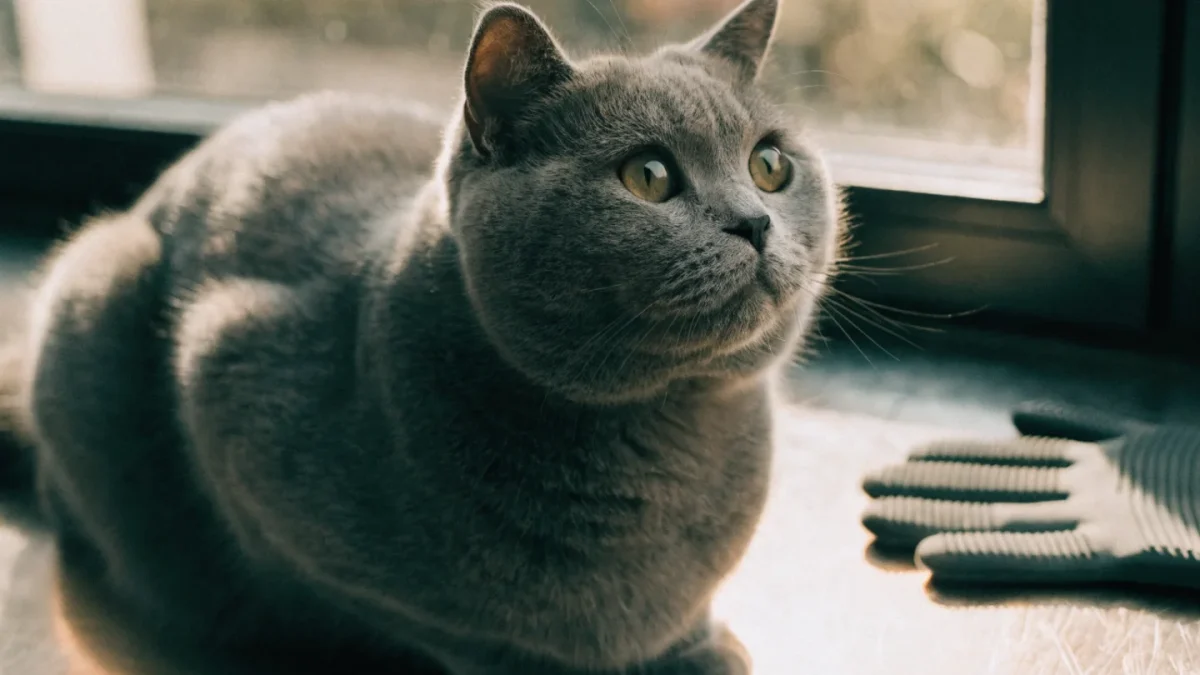
The prevailing assumption about shorthair cats is that they take care of themselves. And to be fair, this is mostly accurate. A healthy domestic shorthair with no underlying health issues, a good diet, and a clean environment is a remarkably low-maintenance animal by the standards of pet ownership.
But "mostly" isn't the same as "completely." And there's a specific list of things shorthair cat owners routinely skip—either because nobody told them or because they're relying on "cats groom themselves" as a blanket exemption from every grooming task. There are people walking around with cats in dental distress, cats with ear issues that went unnoticed for months, cats whose nails have curled into their own paw pads because the claws were never trimmed.
Shorthair grooming is less demanding than longhair grooming. It's not zero. The complete guide to cat grooming covers the full picture for all coat types.
The Coat: Brushing and Shedding
Most shorthair cats need brushing once or twice a week. What this accomplishes:
- Removes dead loose hair before it becomes furniture-and-clothing hair
- Reduces the volume of hair the cat ingests during self-grooming, which directly reduces hairball frequency
- Stimulates skin circulation and distributes skin oils
- Gives you physical contact with your cat's body to notice any lumps, sore spots, or skin changes
The British Shorthair exception. The British Shorthair has an unusually dense, plush double coat—more undercoat per square inch than almost any other shorthair breed. It sheds proportionally more and benefits from brushing two to three times weekly. A single rubber curry brush session twice weekly removes an impressive quantity of undercoat and keeps the coat looking its best.
Tools for shorthair cats: a rubber bristle brush or grooming glove works well for everyday use; a fine-toothed metal comb catches the undercoat. For British Shorthairs especially, an undercoat rake during heavy shedding seasons is worthwhile. Compare this with longhair cat grooming and mat prevention and the difference in tool requirements becomes clear immediately.
Shedding is heavier in spring and fall. During these periods, daily brushing is a reasonable approach—not mandatory, but it dramatically reduces hair in the home environment.
Nails: The Neglected Task
Monthly trimming. This is the most commonly skipped routine grooming task in cat ownership, and the consequences of skipping it long-term are real. Untrimmed indoor cat nails grow long and curve. They catch on things. They thicken. In senior cats with decreased mobility and reduced scratching behavior, they can curve into the paw pad—a painful and completely preventable situation.
Most adult cats can be trained to tolerate nail trimming with gradual desensitization. Start by handling the paws daily without clipping—just touching, pressing lightly to extend the claw, treating and releasing. After a week, introduce the clipper sound (clip it in the air near the cat). After another week, clip one nail, treat, done. The process is slow but it works.
For cats that strongly resist despite desensitization efforts: two people (one to hold/distract, one to clip), the burrito wrap, or professional nail trims at a vet or groomer. A professional nail trim takes ninety seconds.
Ears: Weekly Checks
Healthy cat ears look clean and pink inside, with minimal wax. Dark brown or black discharge suggests ear mites—a highly contagious parasitic infestation that's itchy and uncomfortable for the cat and spreads to other cats in the household. Redness, odor, or head shaking suggests a bacterial or yeast ear infection. Either warrants a vet visit.
For routine cleaning: veterinarian-approved ear cleaner on a cotton ball. Fold the ear flap back, apply a few drops, massage the base of the ear, and wipe out what comes to the surface. Don't go into the ear canal with any tool—the structure is more horizontal in cats than in dogs and probing risks real damage.
Most healthy cats with no history of ear problems need ear cleaning only occasionally. Weekly checking is more important than weekly cleaning.
Dental Hygiene
Seventy percent of cats over three years old have clinically significant dental disease. That statistic hasn't changed meaningfully in decades because the behavior of owners hasn't changed. Most people don't brush their cat's teeth.
Getting a cat to accept tooth brushing starts with getting the cat to accept having its mouth touched. Rub the outside of the lips with your finger for a few days. Progress to lifting the lip briefly. Then introduce a small piece of gauze with enzymatic toothpaste (pet-specific—not human). The goal is light rubbing along the outer surfaces of the teeth and along the gum line.
It's worth the effort. Dental disease in cats causes chronic pain, difficulty eating, behavior changes, and—as bacteria from infected gums enter the bloodstream—potential effects on the kidneys and heart.
FAQ
Do shorthair cats need baths?
Rarely. A healthy shorthair cat in good condition doesn't need regular bathing. Bathing is warranted when the coat is significantly dirty or greasy (sometimes seen in cats with skin conditions), when treating for fleas as directed by a vet, or occasionally in senior cats who've stopped self-grooming effectively. Otherwise, their self-grooming is sufficient.
My shorthair cat sheds excessively. Is this normal?
Some shedding is normal, with heavier periods in spring and fall. Excessive or sudden changes in shedding warrant a vet check—it can signal nutritional deficiencies, stress, hormonal issues, or skin conditions. Regular brushing removes dead hair and reduces what ends up in the environment, but doesn't address underlying causes if there are any.
At what age should I start brushing my cat?
From the first week home as a kitten—even if the kitten doesn't need it and the session lasts thirty seconds. The goal at that stage isn't coat maintenance; it's building tolerance and positive associations with handling that make adult grooming significantly easier.
Can cats develop dental disease even if they eat dry food?
Yes. The claim that dry food cleans teeth is largely a myth perpetuated by marketing. Some dental diet formulas are specifically designed with a fiber matrix that scrubs teeth as the cat chews, but regular dry kibble provides negligible dental cleaning. Brushing and professional dental cleanings are the evidence-based approaches to feline dental health.