
A show-quality long coat isn't just a longer version of a pet coat. It's a different category of maintenance entirely — the product of daily effort, precise technique, and a deep understanding of what each breed standard is actually asking for.
I've watched the show grooming world from the ringside for years. What separates the handlers at the top from everyone else isn't raw talent — it's accumulated daily discipline applied consistently over years.
What Show Standards Actually Require
Every long-coated breed has specific coat requirements in its breed standard. And they vary enormously.
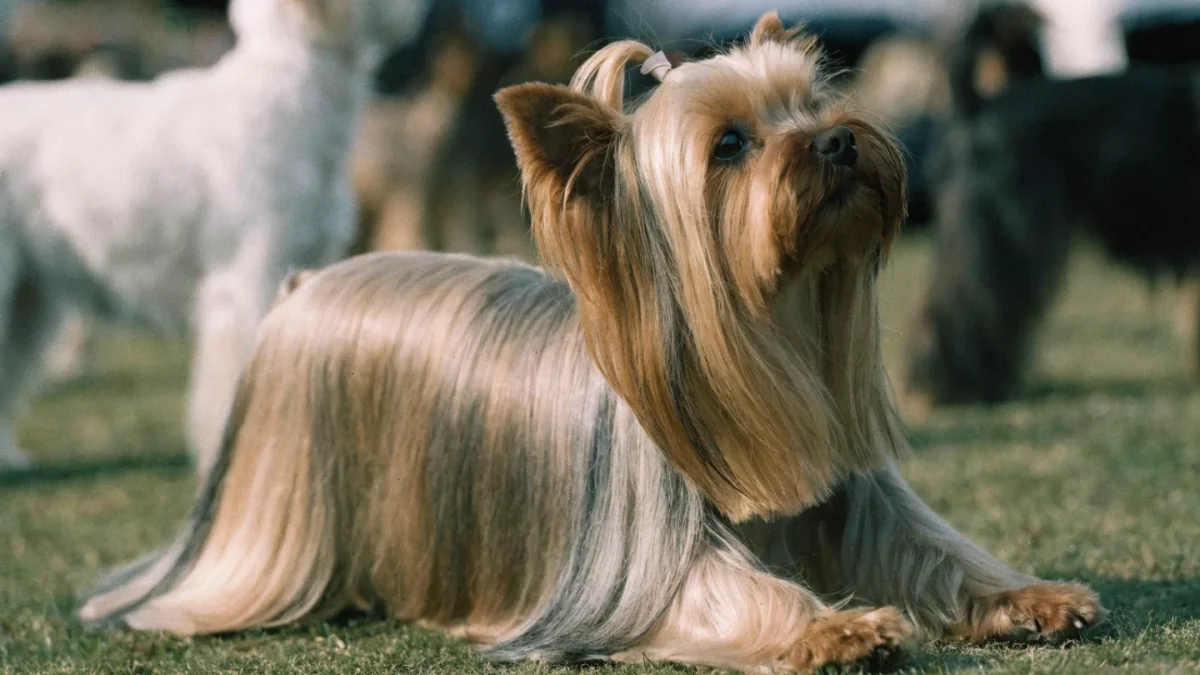
Yorkshire Terrier: Floor-length, perfectly straight, absolutely silk-like in texture. The standard calls for dark steel blue and bright tan, with the coat parted precisely down the center of the back. Any waviness, any coarseness, any color deviation costs points.
Afghan Hound: Dense, silky coat on the body, with a characteristic "saddle" of shorter, close coat on the back. The long coat on the head, legs, and sides must flow freely without matting. The Afghan's coat should look natural and flowing, not sculpted.
Maltese: Pure white, floor-length, absolutely straight, without a single tangle. The topknot is traditionally tied up and out of the eyes. The standard requires the coat to lie flat, parting precisely from nose to tail.
Shih Tzu: A slightly different structure — dense, double-layered, and flowing rather than single-layer silky. The head furnishings and topknot are assessed carefully in the show ring.
Lhasa Apso: Long, heavy, straight coat falling to the floor, parted along the spine. Slightly harder texture than a Maltese; the standard explicitly describes it as neither silky nor woolly.
Understanding the specific standard for your breed shapes every grooming decision you make.
Coat Wrapping
Coat wrapping — enclosing sections of the coat in paper, plastic, or cloth "wrappers" secured with bands — is the primary technique for maintaining floor-length show coats between shows. It prevents the coat from dragging on the ground, tangling, and accumulating debris during the dog's daily life.
Basic wrapping method:
- Thoroughly brush and comb out the section to be wrapped
- Apply a light coat oil or conditioning spray to reduce static
- Lay a paper or plastic wrapper over the section
- Fold the coat and wrapper together in thirds (accordion fold)
- Secure with a small elastic band (loose enough not to cause breakage)
The frequency of wrapping changes depends on how quickly the coat grows, the dog's activity level, and the upcoming show schedule. Show dogs may be rewrapped every 3–5 days.
Wrapping isn't permanent grooming — the dog can't wear wrappers at shows. They come off before the show, the coat is thoroughly brushed out, and the presentation takes place on natural unassisted coat.
Show-Day Preparation Timeline
Day before: Full bath with high-quality moisturizing shampoo and conditioner. Blow-dry completely straight on low heat, brushing as you dry. Wrap the coat for transport and overnight protection.
Morning of show: Remove wraps. Final light brushing. Any touchup spots (areas that moved during wrapping) addressed carefully. For very long coats, a light misting of finishing spray that adds sheen without weight. The topknot (on applicable breeds) tied with appropriate ribbon.
In the ring: The handler's technique complements the coat — presenting the dog to show the coat in motion, demonstrating its length, texture, and quality.
After the show: Rewrap for transport. The coat has been through a high-activity day of handling, movement, and ring stress — it needs protection for the journey home.
The Oil Question
Coat oil is widely used in show long coats — a light application of appropriate conditioning oil helps prevent static, reduces tangling, and adds a subtle sheen. Yorkshire Terriers in particular are often maintained with a regular oil application between shows.
The balance is critical. Too much oil makes the coat look greasy and limp, which judges notice immediately. The right amount is a light application that the coat absorbs without visible residue.
Different products are appropriate for different coat types. A heavier conditioning oil suitable for a thick Afghan coat would be far too heavy for the fine silk of a Maltese. Work with other breed specialists and experienced handlers to find what works for your specific dog's coat.
The Daily Commitment
I want to be transparent about what maintaining a show coat on a long-coated breed actually involves: 30–60 minutes of careful brushing daily, rewrapping every 3–5 days, show-day preparation of 2–3 hours. This is not a casual undertaking.
Most show handlers genuinely love the process — the relationship built through daily grooming, the satisfaction of a perfect coat on show day, the craftsmanship. But it should be entered with clear eyes about the time investment required. A dog kept in show coat whose owner can't commit to this maintenance schedule ends up in a mat emergency, and that's not fair to the dog.
FAQ
At what age does a long-coated dog develop its full show coat?
Most long-coated breeds reach full show coat maturity between 2 and 4 years of age. The puppy coat is often different in texture and density from the adult show coat — some breeders are cautious about over-handling or wrapping puppy coats that haven't fully developed their final character.
What causes a show coat to become dull or frizzy?
Common causes: over-brushing with improper tools (slickers with stiff pins), insufficient conditioning, low humidity in the environment, nutritional deficiencies (particularly omega-3 fatty acids), and repeated incorrect blow-drying technique. Show handlers troubleshoot frizzy coats systematically — usually starting with conditioning protocol before investigating other causes.
Do show dogs in long coats wear their coat all year round?
Yes, show dogs in active showing programs maintain their coats year-round. The coat is managed rather than cut — wrapping and protecting it continuously. Some handlers take a dog "down" (clip the coat short) between show seasons or after retirement, allowing the dog a period of easier maintenance.
Can I transition a clipped pet dog to a show coat?
If the dog has been clipped with scissors (not with shaving blades), the coat can grow back naturally and eventually reach show quality. If the coat has been repeatedly shaved close, some coat texture alteration may have occurred. The recovery period from a full clip to show-ready coat is typically 18–24 months for most long-coated breeds.