

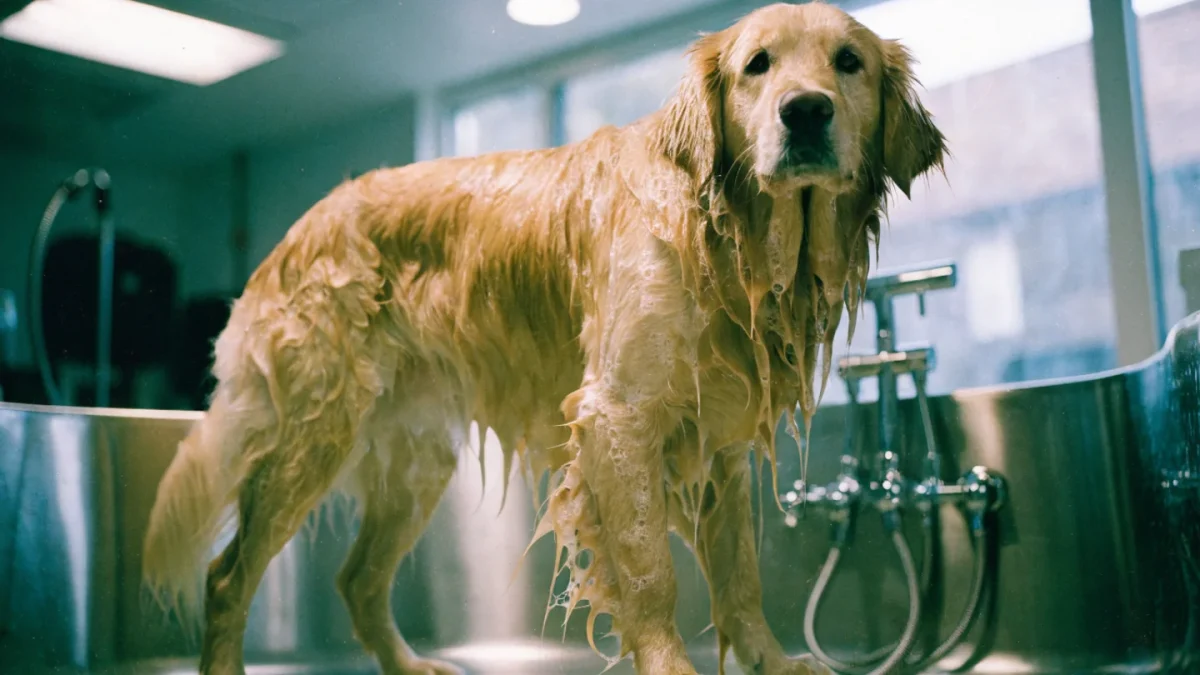
Bathing is one of the most misunderstood aspects of pet care—misunderstood in both directions. Dog owners who bathe their dogs monthly get told they're bathing too often. Dog owners who go months between baths think they're doing it right. Cat owners assume their cats never need baths and skip it entirely, then struggle when they have a genuinely dirty or health-compromised cat that absolutely needs one.
The actual answer is more nuanced and more breed- and situation-specific than any single rule captures.
Dogs: Frequency by Coat Type
Bathing frequency isn't primarily about calendar time—it's about coat type, lifestyle, and visible need.
Short, smooth-coated dogs (Boxers, Dalmatians, Greyhounds): every four to six weeks, or as needed when visibly dirty. The minimal coat doesn't trap oils or debris significantly, so frequent bathing is rarely necessary.
Double-coated breeds (Huskies, German Shepherds, Samoyeds, Golden Retrievers): every three to four weeks. The undercoat traps oils and debris more effectively. Bathing also loosens dead undercoat efficiently—one bath session during peak shed removes an impressive volume of loose coat. See the double-coated dog grooming guide for coat-specific brushing and shedding management.
Long silky coats (Yorkies, Maltese, Shih Tzus): every two to three weeks, sometimes more frequently. Long coat stays cleaner when washed regularly; paradoxically, waiting longer doesn't reduce maintenance.
Curly and wool-coated breeds (Poodles, Bichons, Doodles): every three to four weeks, or more frequently if the coat picks up environmental debris easily. These coats trap material more readily than smooth coats.
Active outdoor dogs: as needed based on actual dirtiness. A farm dog or hiking dog may need bathing weekly; a city apartment dog with short coat might go six weeks without needing it.
Dogs: Technique
Water temperature: lukewarm to warm. Not hot—dogs feel the heat differently than humans and will become uncomfortable. Test on your wrist or elbow the way you'd test a baby's bathwater.
Thoroughly wet the coat first before applying shampoo. On double-coated breeds, this means working the water into the coat actively—a shower nozzle rather than a bucket. Shampoo applied to dry coat doesn't distribute evenly.
Shampoo application: dilute your shampoo before applying if possible. Concentrated shampoo applied directly to coat is hard to distribute evenly and harder to rinse completely. Work from the neck toward the tail, avoiding the eyes and inside the ears.
Rinse longer than you think necessary. Product left in the coat causes skin irritation, itching, and coat condition decline. Particularly on double-coated breeds, running clear water through the coat until it runs perfectly clean—not until it "looks clean"—is the standard. This takes longer than most people expect.
Dry thoroughly. More on this in the drying guide, but the summary: never leave a double-coated or thick-coated dog to air-dry without thorough toweling and blow-drying. Moisture trapped near the skin causes skin issues and, in double-coated breeds, can take twelve hours to fully dry naturally.
Cats: When and Whether
Most healthy cats do not need regular baths. Their self-grooming system is effective for normal coat maintenance. The complete cat grooming guide covers all aspects of feline care including the rare cases where bathing is genuinely warranted.
When bathing is warranted for cats:
- The cat has contacted something it shouldn't ingest (chemicals, certain substances)
- Significantly dirty, matted, or greasy coat (common in senior or overweight cats who've stopped self-grooming effectively)
- Veterinary direction for skin conditions
- Sphynx and other low-coat breeds where sebum accumulates (weekly bathing is standard for Sphynx)
- Severe flea infestation requiring a flea bath
Cats: Technique
Preparation matters more for cats than for dogs. Fill the sink or shallow tub before bringing the cat in—running water is more alarming than still water to most cats. Have all supplies within reach: shampoo, rinse cup, multiple towels. Don't leave the cat to retrieve something you forgot.
Use a sink or shallow tub with a non-slip mat. A cat with purchase on a surface is a calmer cat than one scrambling on slippery porcelain.
Water temperature: slightly warmer than lukewarm. Cats prefer warmer water than dogs.
Cup-rinse rather than showerhead if possible. Most cats tolerate a cup poured over their back more calmly than direct shower spray. The face should be handled carefully with a damp cloth rather than direct water application.
Work quickly but calmly. Cats typically tolerate baths for a limited time window. An efficient ten-minute bath is better than a thorough twenty-minute battle.
Wrap immediately in a warm towel on completion. Cats lose heat quickly when wet; warmth is both practical and calming.
Shampoo Selection
Always use species-appropriate shampoo. Human shampoo has a different pH than appropriate for dog or cat skin and may contain fragrances, sulfates, or other ingredients that cause irritation or toxicity. Cat-specific shampoos are often gentler than dog-specific ones; kitten formula shampoos are gentler still.
Details on dog shampoo types and when to use each in choosing the right dog shampoo.
FAQ
Can I use the same shampoo for my dog and cat?
Dog shampoos are often formulated with different concentrations and ingredients than cat shampoos, and some dog products contain permethrin, a chemical that's effective for fleas on dogs but acutely toxic to cats. Cat-specific or kitten-specific shampoo is safest for cats. A gentle, fragrance-free cat shampoo used on a dog is generally safe.
How do I bathe a large dog at home?
A bathtub with a non-slip mat and a handheld showerhead is the most practical setup for large dogs at home. Having treats available throughout helps maintain the dog's cooperation. Many large-dog owners visit self-service dog wash facilities—which have large tubs, professional dryers, and surfaces at working height—rather than bathing at home.
My dog smells bad again two days after a bath. Why?
Several possibilities: the coat wasn't rinsed completely and residual product is degrading; the dog's skin is producing oils rapidly (common in certain breeds and in response to over-bathing); or the dog has encountered something smelly. If the odor persists and comes specifically from the ears or skin, a vet check for infection is appropriate.
Is it safe to bathe puppies and kittens?
Yes, with care. Young animals chill quickly when wet, so warm water and immediate thorough drying are important. Puppies under four weeks should generally not be bathed unless medically necessary. Kitten-specific shampoo should always be used for cats under one year.
How often should a dog with skin allergies be bathed?
Surprisingly often—for many dogs with environmental allergies, twice-weekly bathing with a gentle shampoo reduces allergen exposure and provides significant symptom relief. This is a common veterinary dermatology recommendation. The key is using a gentle shampoo that doesn't dry the skin with frequent use.