

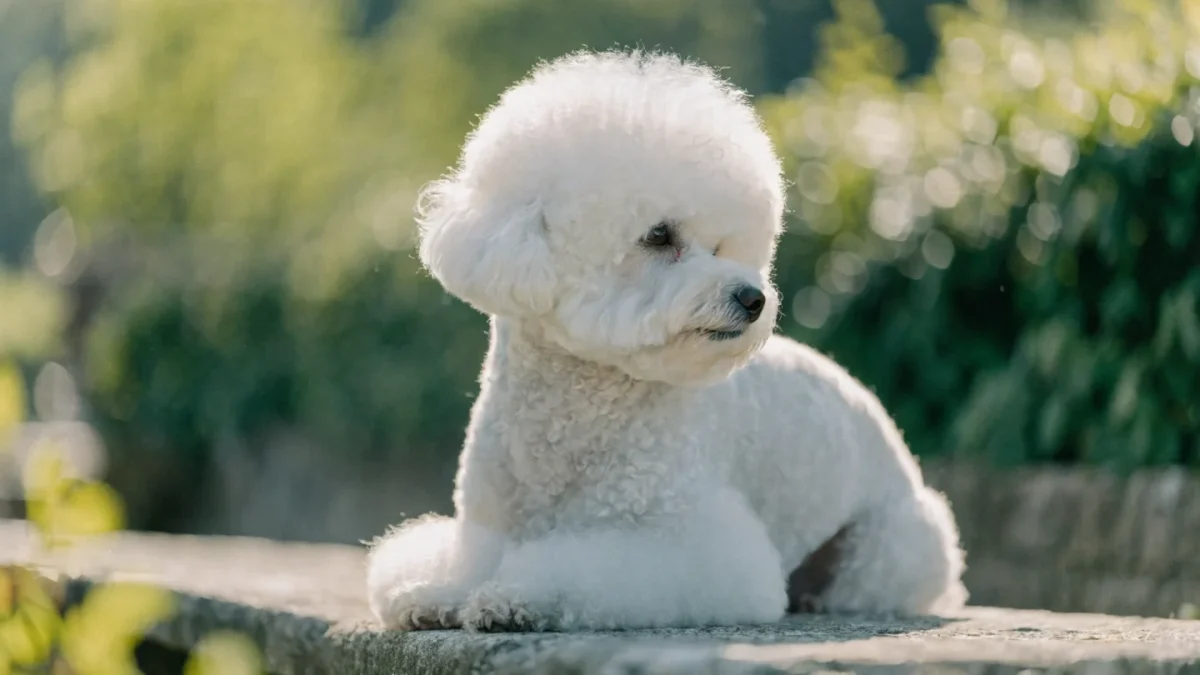
The Bichon Frise spent centuries as a professional survivor. Sailors' companion in the 1300s, court darling under Henry III of France in the 1570s, circus performer in the 1800s, street dog after the French Revolution, and finally — improbably — a recognized purebred rescued from obscurity by a handful of French breeders in 1933. No other breed has fallen so far and climbed back so many times.
The Bichon Frise is a small, white, powder-puff coated companion breed that weighs between 3 and 5 kg and stands 23 to 30 cm at the shoulder. Behind the cotton-ball appearance is a surprisingly sturdy, long-lived dog with complex grooming demands, genuine health considerations, and a temperament that revolves almost entirely around human companionship. If you want a bichon frise breed guide that goes beyond the cute factor — origins, health truths, what daily ownership actually looks like — this is it.
The breed's modern reputation as a lap dog obscures a more interesting reality. Bichons are adaptable, resilient, and far more athletic than their groomed show appearance suggests. They've also become one of the most commonly misunderstood small breeds, in part because the same qualities that make them appealing — the friendly disposition, the low-shedding coat, the manageable size — lead people to underestimate what they actually need.
Origins and History
The Bichon Frise belongs to the Barbichon family of breeds, a group of small white dogs that emerged in the Mediterranean region. The group includes the Bolognese, the Havanese, the Maltese, and the Coton de Tulear — all sharing common ancestry in small water spaniels that were carried on trade vessels throughout the Mediterranean basin during the medieval period.
Spanish sailors likely spread the Bichon's ancestors along trade routes between the Canary Islands and the European mainland during the 13th and 14th centuries. The breed became especially popular on Tenerife, leading to the early name "Bichon Tenerife." By the late 1400s, Bichons had caught the attention of Italian nobility, and by the 1500s, they were fixtures of the French court.
Henry III of France, who reigned from 1574 to 1589, was reportedly so attached to his Bichons that he carried them in a basket hung around his neck. The breed remained popular in European aristocratic circles through the 1600s and 1700s — they appear in paintings by Goya and Titian — before falling out of royal favor. After the French Revolution, the breed lost its aristocratic patrons and ended up as a street dog, then as a circus performer valued for its trainability and showmanship.
The modern Bichon Frise was formally standardized by French and Belgian breeders in 1933, and the breed standard was adopted by the Federation Cynologique Internationale (FCI) in 1934. For the full history of the Bichon Frise, including the post-war revival and the breed's establishment outside Europe, the dedicated history article covers that timeline in depth.
Physical Characteristics
Size and Build
The Bichon Frise is a small breed, standing 23 to 30 cm at the shoulder and weighing between 3 and 5 kg. Despite the small frame, the build is compact and sturdy — not fragile. The body is slightly longer than it is tall, with moderate bone and a level topline. The overall silhouette, once groomed, is round. Everything about the Bichon's appearance emphasizes curves over angles.
The skull is slightly rounded when viewed from the front, with a defined stop. The muzzle is shorter than the skull but not flat — Bichons are not brachycephalic and don't carry the breathing compromises that come with extremely shortened muzzles. Eyes are round, dark, and forward-facing, giving the breed its characteristic alert, engaged expression. The ears drop close to the head and are covered in long, flowing hair.
Coat
The coat is the Bichon's defining physical feature and its most demanding maintenance requirement. It's a double coat: a soft, dense undercoat paired with a coarser, curlier outer coat. The texture is often described as velvety or springy to the touch. When properly groomed, the coat stands off the body in a uniform powder-puff silhouette.
The coat is always white. Some puppies may show traces of cream, apricot, or buff shading around the ears or body, but adult Bichons should present as white. The coat sheds minimally — dead hairs tend to get trapped in the curly outer coat rather than falling onto surfaces, similar to the mechanism seen in Poodle coats. This reduced environmental shedding is real, but it is not the same as "hypoallergenic." The primary canine allergen, Can f 1, is present in saliva and skin secretions regardless of coat type.
What Most People Get Wrong About This Breed's Appearance
The powder-puff look is manufactured. A Bichon left ungroomed doesn't look like the dogs you see at shows or on social media. Without regular professional grooming, the coat mats aggressively — forming tight, painful tangles that compress against the skin within weeks. The round, cloud-like outline requires scissoring by a skilled groomer, not just a bath and brush. New owners who expect the breed's signature appearance to be low-effort discover quickly that it is anything but.
Temperament and Behavior
The Bichon Frise is, at its core, a companion breed that has been selected for human attachment for at least five centuries. This is not a terrier that tolerates your company. This is a dog that was bred specifically to be with people — on laps, in arms, underfoot, and in bed.
The Bichon Frise temperament is covered in its own dedicated article, but the essentials belong here.
Bichons are cheerful, social, and demonstratively affectionate. They greet most people and dogs with enthusiasm and rarely show aggression. Their energy level is moderate — playful but not hyperactive, willing to settle after reasonable exercise. They're often described as having a natural talent for reading human moods, adjusting their behavior based on their owner's emotional state.
The Separation Anxiety Problem
Here's what most people get wrong about this breed: the same temperament that makes Bichons so appealing — the warmth, the attentiveness, the desire to be close — becomes a liability when the dog is left alone. Bichons are among the breeds most prone to separation anxiety. A Bichon left alone for extended hours on a regular basis will often develop destructive behavior, excessive barking, house-training regression, or self-harming behaviors like excessive licking and paw chewing.
This isn't a character flaw. It's the predictable outcome of isolating a dog whose entire genetic history optimized it for companionship. If your household is empty for eight or more hours daily with no dog care plan, this breed will struggle.
Intelligence and Trainability
Bichons are bright dogs that respond well to positive reinforcement. Their circus heritage isn't an accident — they learn tricks and routines readily and seem to enjoy performing. Training sessions should be kept short, varied, and reward-based. Harsh corrections tend to produce shutdown rather than compliance in this breed.
House training is the exception to the Bichon's general trainability. Small breeds as a group are notoriously slower to house train, and Bichons are no exception. Small bladders, high metabolisms, and a tendency toward submissive or excitement urination extend the timeline. Patience, consistency, and a set schedule matter more than any specific technique.
Health Profile
The Bichon Frise is a relatively long-lived breed, with an average lifespan of 14 to 15 years. Some individuals reach 17 or 18. That longevity doesn't mean the breed is free of health concerns — it means you'll be managing them for a long time.
Patellar Luxation
Displacement of the kneecap is one of the most common orthopedic issues in Bichons. The patella slides out of its groove, causing intermittent lameness that ranges from a skipped step to a persistent inability to bear weight. Grades range from 1 (manual displacement only, returns spontaneously) to 4 (permanent displacement). Grades 3 and 4 typically require surgical correction. Screening breeding stock for patellar stability is standard practice.
Bladder Stones
Bichons are predisposed to calcium oxalate and struvite bladder stones at rates higher than the general dog population. Signs include frequent urination, straining, blood in urine, and accidents in a previously house-trained dog. Dietary management and adequate water intake reduce recurrence, but some individuals require surgical removal of stones. Research from the University of Minnesota Urolith Center shows that Bichon Frises have greater than 20 times the risk of developing calcium oxalate stones compared to mixed-breed dogs, with 80 percent of stone-forming male Bichons producing calcium oxalate stones.
Allergies and Skin Conditions
The breed is prone to environmental and food allergies that manifest primarily as skin irritation — itching, redness, recurring ear infections, and paw licking. Allergies in Bichons tend to be chronic and require ongoing management rather than one-time treatment. The irony that a "low-allergenic" dog is itself highly allergic is not lost on anyone who has owned one.
Other Health Concerns
- Dental disease: Small breeds are disproportionately affected by periodontal disease. Bichons' small jaws and crowded teeth make dental care a lifelong priority. Professional cleanings under anesthesia are often needed annually.
- Cataracts and progressive retinal atrophy (PRA): Both are documented in the breed. PRA is testable through DNA screening; cataracts require periodic ophthalmologic evaluation.
- Cushing's disease (hyperadrenocorticism): Overproduction of cortisol, more common in small breeds and in middle-aged to older Bichons. Signs include increased thirst, increased urination, pot-bellied appearance, and thinning skin.
- Immune-mediated hemolytic anemia (IMHA): A serious autoimmune condition where the body destroys its own red blood cells. Not unique to Bichons but reported in the breed at concerning frequency. A case-control study published in veterinary literature found that Bichon Frises had a significantly increased risk of IMHA compared to the general dog population, alongside Cocker Spaniels, Miniature Pinschers, and Rough-coated Collies.
Lifespan Context
At 14 to 15 years on average, Bichons live significantly longer than most breeds. That longevity is genuine and one of the breed's legitimate advantages. But it also means that chronic conditions — dental disease, allergies, joint problems — accumulate over time. The total veterinary cost over a Bichon's lifetime can rival that of larger breeds with shorter lives.
Grooming Requirements
This is the section that determines whether you should actually own a Bichon Frise. The breed's grooming demands are among the highest of any dog, and there is no way to reduce them without compromising the dog's comfort and health.
Professional Grooming
Bichons need professional grooming every 4 to 6 weeks. This isn't a luxury — it's maintenance. The grooming session typically includes a bath, blow-dry, full-body scissoring to shape the coat, ear cleaning, nail trimming, and sanitary trimming. The signature rounded silhouette requires an experienced groomer with scissoring skill. Clipping shortcuts produce a different look and texture, which some owners accept for practicality.
The cost of professional grooming accumulates meaningfully over a 14- to 15-year lifespan. Factor this into the real cost of ownership before committing to the breed.
Home Maintenance
Between professional sessions, the coat needs brushing at least every other day — daily during periods of coat growth or exposure to moisture. A slicker brush and a metal greyhound comb are the essential tools. Start from the skin and work outward, section by section. The areas behind the ears, under the legs, and around the rear are mat magnets.
Mats that are left to tighten pull on the skin, cause pain, and create conditions for bacterial and fungal infections. A matted Bichon isn't just unkempt — it's uncomfortable. If the coat reaches a point where mats can't be brushed out, the humane option is a full shave-down and a restart. This isn't a failure; it's a reality check.
Eyes and Tear Staining
Bichons commonly develop reddish-brown tear staining below the eyes. The white coat makes these stains visually conspicuous. Causes include excessive tear production (epiphora), blocked tear ducts, teething in puppies, and dietary factors. Keeping the area clean and dry with daily wiping reduces staining. Persistent or sudden onset of staining warrants veterinary evaluation to rule out blocked ducts or eye irritation.
Exercise and Activity Needs
Bichons need less exercise than sporting breeds, but they are not sedentary dogs. Plan for 30 to 45 minutes of activity daily, split between walks and play sessions. Short walks two to three times a day combined with indoor play — fetch down a hallway, tug games, or food puzzles — meet the breed's needs for most adults.
The breed's energy tends to come in bursts. Bichon owners will recognize the "Bichon blitz" — sudden, intense episodes of running in circles at top speed, often through the house, lasting two to five minutes before the dog collapses in apparent contentment. This is normal and doesn't indicate a problem. It's just how the breed discharges pent-up energy.
Puppies and young adults are more active than the breed's reputation suggests. A two-year-old Bichon wants to play and explore. A nine-year-old is more selective. Adjust activity to the individual dog's energy level rather than assuming the breed is universally low-key.
Nutrition Fundamentals
Bichon Frises do well on measured meals — two meals per day for adults, three for puppies under six months. Portion control matters particularly in this breed because their small size means even minor overfeeding produces visible weight gain quickly. An extra half-kilogram on a 4 kg dog is proportionally equivalent to adding 10 kg on a 75 kg person.
Caloric needs vary by age, activity level, and individual metabolism but generally fall between 200 and 400 calories per day for an adult at a healthy weight. Free-feeding — leaving food available at all times — is inadvisable because Bichons will often overeat if given the opportunity, and the resulting weight gain stresses already-vulnerable joints and contributes to bladder stone risk through concentrated urine.
Because of the breed's predisposition to bladder stones, adequate water intake is particularly important. Some owners add water to dry food or incorporate wet food to increase fluid consumption.
Living Situation Compatibility
Bichons are well-suited to apartment living. Their small size, moderate exercise needs, and relatively quiet disposition (barking exceptions noted below) make them adaptable to smaller spaces. They don't need a yard, though access to one is a bonus.
The breed does bark. Some Bichons bark at doorbells, visitors, noises in the hallway, passing dogs, squirrels, and occasionally nothing discernible at all. This is manageable with training but worth knowing if you share walls with neighbors.
Heat tolerance is moderate. Cold tolerance is also moderate despite the thick coat — Bichons are small dogs that lose body heat quickly and are not built for extended time in cold weather. They're indoor dogs that need outdoor exercise, not outdoor dogs that come inside.
Choosing a Bichon Frise
Health Screening
Responsible breeding programs screen for patellar luxation, hip dysplasia, and eye conditions at minimum. DNA testing for PRA is available and should be standard. Ask for documentation of all health clearances on both parents. Cardiac evaluation is also recommended.
What to Watch For
- Puppies should be clean, alert, and interactive
- The mother should be available to meet — her temperament is informative
- Eyes should be clear and bright, with no signs of excessive tearing or discharge
- The coat on a puppy won't look like the adult coat, but it should be clean and free of mats
- Any breeder who cannot provide health clearances is a breeder to avoid
Adoption
Breed-specific rescue organizations regularly have Bichons available, including adults and seniors. Adult Bichons in rescue often come with known temperaments, established house training, and reduced grooming confusion. A senior Bichon — already past the puppy energy phase — can be an outstanding companion for people who want the breed's personality without the first year's training demands.
The Right Owner for This Breed
A Bichon Frise is the right dog for you if:
- You're home frequently or can arrange for companionship during the day — this breed cannot tolerate long hours of isolation
- You're willing to commit to professional grooming every 4 to 6 weeks and home brushing every other day
- You want a dog that prioritizes your company above everything else
- You can handle the financial commitment of lifetime grooming and the veterinary management of chronic conditions like allergies and dental disease
- You live in an apartment or small home and want a breed that fits the space
A Bichon Frise is the wrong dog for you if:
- You work long hours away from home with no dog care plan
- You consider grooming an occasional chore rather than a routine commitment
- You want a dog for hiking, running, or high-intensity outdoor activities
- You expect a small dog to be a low-cost dog — Bichons accumulate veterinary and grooming expenses over a very long life
- You want a quiet dog with zero barking tendencies
The Bichon Frise has survived centuries of upheaval — royal courts, revolutions, circuses, world wars — by being exactly what it is: a small, resilient, absurdly charming dog that wants nothing more than to be near its person. That hasn't changed. The question is whether you can be the person this breed needs you to be.
Frequently Asked Questions
Are Bichon Frises truly hypoallergenic?
No dog is truly hypoallergenic. Bichons shed minimally because their curly coat traps dead hair rather than releasing it into the environment, which reduces the amount of dander-carrying hair on surfaces and in the air. This mechanism is real and helps people with mild allergies. However, the primary canine allergen — Can f 1 — is produced in saliva and skin secretions regardless of coat type. For moderate to severe allergies, a Bichon's low-shedding coat may not provide sufficient relief. Extended exposure before committing to the breed is always advisable.
How long do Bichon Frises live?
The average Bichon Frise lifespan is 14 to 15 years, with some individuals reaching 17 or 18. This makes them one of the longer-lived breeds. That longevity means chronic conditions — dental disease, allergies, patellar issues — are managed over many years, and the cumulative veterinary cost should factor into ownership planning.
Are Bichon Frises good apartment dogs?
Yes. The breed's small size, moderate exercise needs, and indoor adaptability make Bichons well-suited to apartment living. The main concern in apartments is barking — some Bichons are vocal about doorbells, hallway noises, and visitors. Training and adequate mental stimulation reduce nuisance barking, but the breed is not silent by nature.
How much does Bichon Frise grooming cost over a lifetime?
Professional grooming every 4 to 6 weeks at typical rates — varying widely by region — adds up significantly over a 14- to 15-year lifespan. The breed cannot go without professional grooming; the coat mats painfully without regular maintenance. Budget for grooming as a fixed, non-negotiable cost of ownership, not an optional luxury.
Can Bichon Frises be left alone during the workday?
Bichons are among the breeds most prone to separation anxiety, and regular isolation of eight or more hours is a significant risk factor for behavioral problems. Some individual Bichons tolerate moderate alone time (four to five hours) with proper conditioning, mental enrichment, and a gradual desensitization process. For full workdays, arranging for a midday visit, a dog walker, or doggy daycare is strongly recommended.