

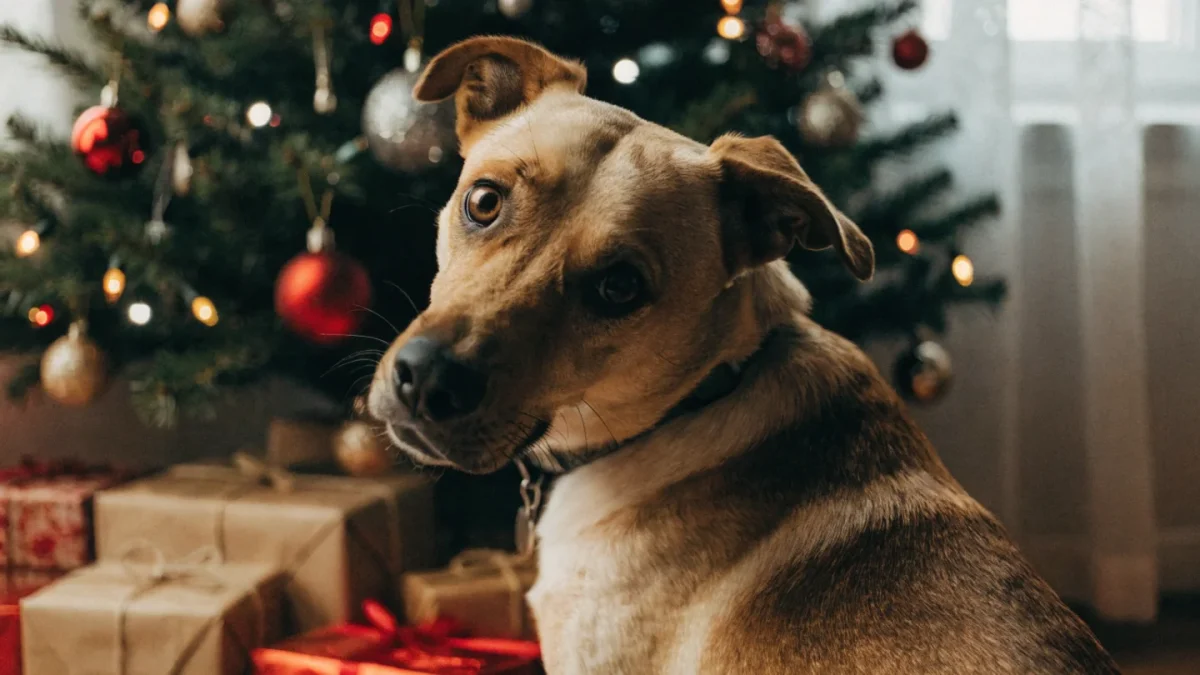
The week after Christmas is one of the busiest of the year in veterinary emergency medicine. I say this every year to clients and they're always a little surprised. But think about what that week looks like from a veterinary perspective: turkey and ham bone ingestions, chocolate toxicity from holiday candy and baking, decorative plant poisonings, pancreatitis from rich table scraps, foreign body surgeries from tinsel and ribbon. All of it concentrated into one holiday season.
And that's just Christmas.
Add Halloween, Easter, Thanksgiving, Fourth of July, and New Year's Eve, and you have a year full of recurring pet hazard events. Most of them follow predictable patterns. Which means most of them are preventable — if you know what to watch for.
Christmas and Winter Holidays
The winter holiday season carries the densest concentration of pet hazards of any time of year. Here's a breakdown:
Food Hazards
The holiday table. Turkey, ham, prime rib — not in themselves toxic to dogs, but the way they're prepared is. Garlic, onions, herbs, seasoning blends — many classic holiday preparations involve allium vegetables that damage red blood cells in dogs and cats. Rich, fatty meats cause pancreatitis in predisposed dogs. Gravy typically contains both.
Bones. Cooked bones are genuinely dangerous. Cooked bone has a different crystalline structure than raw bone and shatters into sharp shards rather than bending. These shards can lacerate the esophagus, stomach, or intestines, or cause an obstruction. I've performed emergency surgery on Christmas Eve for a cooked turkey bone obstruction. More than once.
Desserts. Chocolate in all its holiday forms: chocolate fondue, Christmas cookies, hot cocoa mix, chocolate bark, advent calendars, holiday gift baskets. All of these have turned up in pet toxicity cases. The darker the chocolate, the more toxic — but no form is safe for dogs.
Alcohol. Holiday parties mean more alcohol accessible to pets. Unattended glasses at coffee table level, punch bowls, fallen bottles. Alcohol is seriously toxic to dogs and cats at very small doses.
Nuts. Macadamia nuts cause significant neurological signs in dogs. Walnuts can cause tremors. Almonds, pecans, and other hard nuts are choking hazards and cause GI distress.
Plant Hazards
Poinsettia — widely considered more dangerous than it is. The milky sap causes mouth and GI irritation, rarely serious. But it does cause discomfort and is worth keeping out of reach.
Mistletoe — more genuinely concerning than poinsettia. Contains lectins and phoratoxins; GI signs, potential cardiovascular effects. Keep well out of reach.
Holly — berries and leaves both toxic; causes vomiting, diarrhea, lethargy, potentially more serious signs.
Amaryllis — a popular holiday bulb plant, significantly toxic to dogs and cats, causes vomiting, tremors, and potentially kidney effects.
Christmas trees — the tree itself (especially fir varieties) contains oils that can cause GI irritation. Tree water, if treated with fertilizers or preservatives, can be a concentrated toxic exposure. Cover tree water dishes completely.
For a full guide to Christmas-specific hazards, see Christmas and holiday dangers for pets.
Decoration Hazards
Tinsel — one of the most consistently dangerous holiday items for cats. Cats are attracted to glittery, moving objects. Ingested tinsel causes linear foreign bodies — the tinsel anchors at one point and the intestine "gathers" on it, causing perforations and peritonitis. Emergency surgery, poor prognosis. Many veterinarians advocate for tinsel-free households with cats. I'm one of them.
Ornaments — glass ornaments that fall or are batted off the tree become sharp debris that cuts paws and can cause serious internal injury if swallowed. Hang fragile ornaments out of reach.
Ribbon and bows — same linear foreign body risk as tinsel for cats.
Extension cords — holiday lighting requires lots of cords. Puppies and chewing-prone dogs will chew them. Ensure cords are managed and inaccessible.
Candles — tail wag plus candle flame is a genuinely common mechanism of injury. Never leave candles unattended with pets.
Halloween
Candy
The volume of candy in a household on and around Halloween creates significant toxicity risk.
Chocolate — the quantity and type matter. Dark chocolate and baker's chocolate are more dangerous per ounce than milk chocolate or white chocolate. But given how much candy typically comes into a house on Halloween, a dog who gets into the bowl can easily ingest a concerning dose even of milk chocolate. Keep all candy, full stop, secured and out of reach.
Xylitol — this artificial sweetener is present in some sugar-free candies, gums, and certain nut butters occasionally used in Halloween treats. It's one of the most acutely dangerous substances for dogs — causes severe hypoglycemia and liver failure. Check ingredient lists.
Candy wrappers — not toxic, but foil and plastic wrappers cause GI obstructions and are frequently consumed when a dog gets into the bag.
For a complete guide to Halloween risks: Halloween pet safety.
Costumes
Pet costumes are popular. Some pets tolerate them; many do not. A dog who's distressed by a costume is showing it — excessive licking, scratching at the costume, stillness, trying to remove it, lowered body language. Distress during costume wearing is a welfare concern, not just an inconvenience.
Practical safety: ensure costumes don't restrict breathing, vision, movement, or the ability to pant. Check for small parts that could be chewed off and swallowed. Never leave a pet unsupervised in a costume.
The Doorbell Problem
Repeated doorbells, visitors in unusual costumes, children behaving excitedly — Halloween night is genuinely stressful for many dogs. And a dog who's repeatedly startled and stressed near an open front door can slip out.
The simple approach: put the dog in a back room with a chew and background noise during the peak trick-or-treat window. Not punishment — protection.
Easter
Easter hazards are underappreciated compared to Christmas and Halloween, but they're real.
Easter lilies — one of the most acutely fatal plants for cats. True lilies (Lilium species) and daylilies (Hemerocallis) cause rapid kidney failure in cats. Even small amounts — a few petals, licking pollen off the coat — can be fatal. Easter lilies are particularly dangerous because they're popular at exactly the time of year when they'd otherwise be unusual household plants. If you have cats, Easter lilies are non-negotiable: they should not be in your home.
Chocolate eggs — same issues as Halloween chocolate, different packaging. Easter egg hunts mean candy scattered in places dogs can find it.
Plastic Easter grass — the same linear foreign body risk as tinsel. Cats find it irresistible.
Marshmallow Peeps and sugar-heavy treats — not acutely toxic in small amounts, but significant GI upset in larger quantities.
Fourth of July and New Year's Eve
Fireworks. The hazard here is primarily behavioral: noise phobia, panic, and escape. Dogs with severe noise phobia can injure themselves trying to escape perceived danger. More dogs go missing on the Fourth of July than any other day of the year. Preparation matters — medication is available from your vet if anxiety is significant (ideally discussed before the holiday, not on the day of), thunder shirts and white noise can help, but genuinely phobic dogs need a plan in place in advance.
New Year's alcohol — party environments mean spilled drinks, unsupervised cocktails, and general celebration-related hazards.
General Holiday Safety Principles
A few things that apply across all holidays:
Guests who feed pets. Holiday guests often feed pets from the table, thinking it's kind. Some of those well-meaning bites are exactly what you've spent effort keeping away from your pet. Communicate your "please don't feed the dog" rules explicitly to guests. Have an alternative (a dog-safe treat guests can give, if they want to interact) to make compliance easier.
Increased escape risk. Holidays mean more open doors — guests arriving and leaving, deliveries, parties. Door dashing is a real risk. Consider baby gates, ID tags checked before holidays, and microchip registration verified.
Stress and behavioral changes. Many pets are unsettled by changes in routine, unfamiliar people, unusual decorations, and noise. Having a quiet retreat available — a crate, a back bedroom, a cat's safe perch — where the pet can decompress is genuinely valuable.
Know your emergency resources. Look up the nearest 24-hour emergency vet before the holiday weekend starts. Have ASPCA Poison Control (888-426-4435) in your phone. Holidays are not the time to be searching for emergency vet options.
FAQ
What should I do if my dog ate holiday chocolate?
Call your vet or an animal poison control line immediately. The response depends on the type of chocolate, the amount, and your dog's weight. Have this information ready. Don't wait for symptoms to develop.
Are poinsettias actually dangerous to pets?
They cause GI irritation — drooling, vomiting, mild lethargy — but serious toxicity is unusual. They're not in the same category as mistletoe or holly. That said, keeping them out of reach is sensible, and any plant ingestion with concerning symptoms warrants a vet call.
My cat ate tinsel — what do I do?
Call your vet immediately. Tinsel is a linear foreign body hazard and can cause intestinal perforation. If the cat is vomiting, lethargic, or showing abdominal pain, this is an emergency. Even if the cat seems fine, your vet needs to know.
How do I manage my dog's fireworks fear?
Medication (from your vet), a safe den-like space, white noise or classical music, thunder shirts, and staying home with the dog during peak fireworks times. For severe anxiety, discuss options with your vet several weeks before major fireworks events so you have a plan in place.
Is it safe to give my dog a Christmas dinner plate?
Not what you'd serve yourself — seasoning, onions, garlic, rich fat, and bones make human holiday meals inappropriate for dogs. Giving a dog-appropriate version (plain cooked turkey, plain cooked sweet potato) is fine.
What's the most dangerous holiday hazard I should know about?
If I had to pick one: Easter lilies for cat owners. The lethality, the speed of kidney failure, and the fact that people don't always associate Easter lilies with "danger" makes this the hazard most likely to catch someone off guard.