

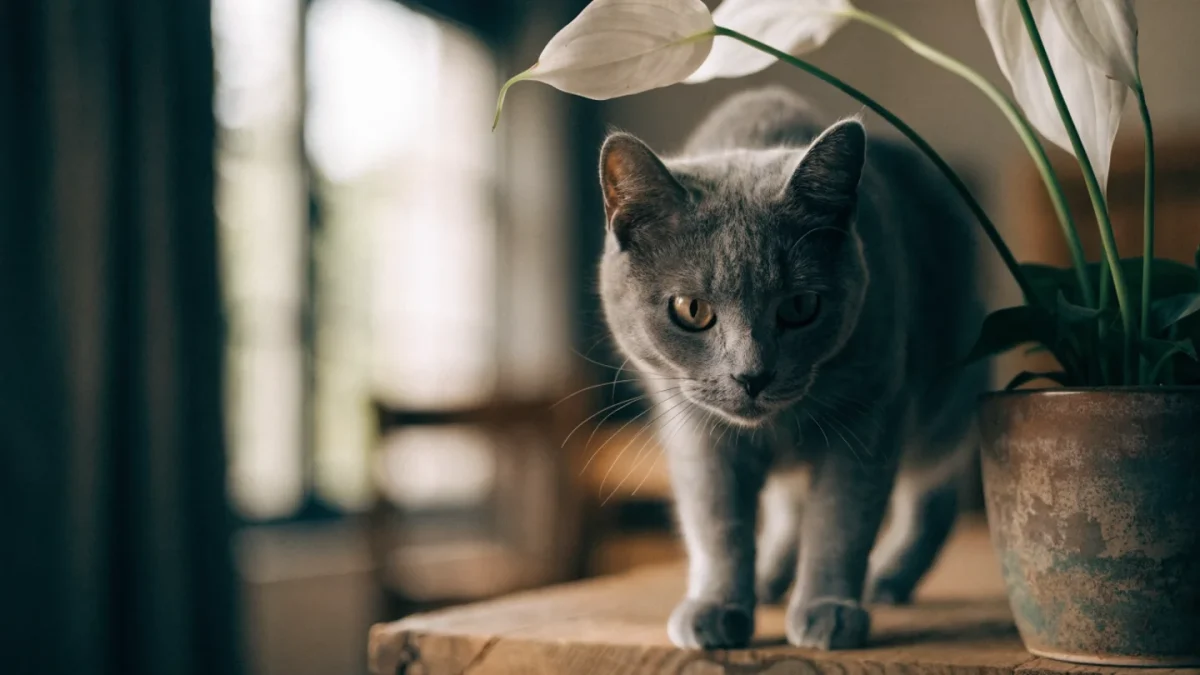
The phone call came on a Monday morning — a frantic owner whose two-year-old tabby had been vomiting repeatedly since the previous evening. She'd already called the regular vet, who was closed, and was now at my emergency clinic. "She just chewed on a plant," the owner kept saying. "It was just a plant."
It was an Easter lily. The cat — a sweet, round-faced girl named Persephone — went into acute kidney failure within 48 hours. We fought hard for her. She didn't make it.
I think about that case every spring when Easter lily arrangements start filling grocery stores and florist shops. And I think about all the people who have these plants in their homes right now without knowing.
Plant toxicity is different from food toxicity in one important way: the plants don't disappear when dinner is over. They sit in your living room and garden, available for a curious nibble at any hour, any day. Understanding what's in your environment — and what it can do — matters differently when the hazard is permanent.
Why Plant Toxins Affect Pets So Severely
Plants developed toxins to defend themselves — not against dogs and cats specifically, but against insects, bacteria, and grazing animals. Many of these compounds act on specific biological pathways that also exist in mammalian pets. Calcium oxalate crystals cause immediate oral pain and swelling. Cardiac glycosides disrupt heart rhythm. Nephrotoxins damage kidneys. Neurotoxins affect the central nervous system.
Cats are especially vulnerable because they groom constantly. Pollen on fur gets licked off. A cat who walked through a garden and has lily pollen on her paws and coat is at risk even if she never bit the flower directly. Dogs are more often poisoned by direct ingestion — chewing, digging up bulbs, eating fallen berries.
The severity of plant poisoning depends on the plant, the part of the plant (some parts are far more toxic than others), the amount ingested, and the size and health of the pet. But for a handful of plants — true lilies in cats, sago palm in any pet — the dose threshold for serious harm is low enough that I treat any known exposure as an emergency.
The Most Dangerous Plants: Non-Negotiable Removals
True Lilies and Cats
This deserves its own section because the stakes are so high. The "true lily" group — which includes Easter lily, Tiger lily, Daylily, Asiatic lilies, and Stargazer lily — causes acute kidney failure in cats. Not some cats. Not just cats who eat a lot. Cats.
The mechanism isn't fully understood, but the clinical reality is brutal and consistent. A cat who chews a leaf, eats a few petals, or even laps water from a vase that held lilies can develop kidney failure within 24-72 hours. The early signs — vomiting, lethargy, loss of appetite — appear within 0-12 hours and can be mistaken for ordinary illness. By the time obvious kidney failure signs appear (increased thirst, reduced or absent urination, collapse), the damage may already be irreversible.
If you have cats, true lilies should not be in your home. Not in a vase. Not as a cut flower arrangement someone sent you. I know that sounds extreme, but I have watched cats die from lily toxicity, and the grief in the exam room is profound and avoidable.
Note: "Peace lily" and "calla lily" are not true lilies — they're in different plant families. They cause different, less severe toxicity (oral irritation primarily). Still worth keeping away from pets, but a different risk level.
Sago Palm
Sago palms are popular ornamental plants in warmer climates and are sold as houseplants in cooler regions. Every part is toxic to dogs and cats, with the seeds (often called "nuts") being the most concentrated. The toxin, cycasin, causes severe liver failure.
The mortality rate for sago palm poisoning — even with aggressive treatment — is alarmingly high. Some estimates put it above 50%. Dogs who dig up fallen seeds and chew on them are particularly at risk. If you suspect sago palm ingestion, this is a "go directly to the emergency vet" situation, no waiting.
Oleander
Oleander is a beautiful, fragrant shrub common in warm climates. Every part of it contains cardiac glycosides — the same class of compound found in foxglove — that disrupt heart rhythm. Ingestion of even a small amount can cause vomiting, low heart rate, abnormal heart rhythms, and death. Both dogs and cats are affected.
Dried oleander in mulch or clippings retains its toxicity. This is one where outdoor exposure is the primary concern.
Foxglove (Digitalis)
The source of digoxin — a heart medication — which should tell you something about what it does in excess. Foxglove causes severe cardiac toxicity. It's found in gardens, sometimes in dried flower arrangements, and in wild meadows in many parts of the world. Signs include vomiting, cardiac arrhythmias, and collapse.
Azaleas and Rhododendrons
Both contain grayanotoxins that interfere with sodium channels, affecting the heart and nervous system. Most pets don't eat large amounts (they cause immediate oral irritation), but even a few leaves can cause vomiting, weakness, low blood pressure, and cardiac abnormalities. These are extremely common garden and landscape shrubs.
High-Risk Indoor Plants
Pothos and Philodendron
Among the most popular houseplants, and both contain calcium oxalate crystals that cause immediate burning pain and swelling in the mouth, throat, and digestive tract. This is typically more painful than fatal — but "painful but not usually fatal" doesn't mean harmless. Cats and dogs who chew pothos will drool excessively, paw at their mouth, and may vomit. Large amounts can cause swelling significant enough to interfere with breathing.
Dieffenbachia (Dumb Cane)
Same calcium oxalate mechanism as pothos, but the common name "dumb cane" comes from its historical use as a torture device — the intense mouth and throat swelling that results from chewing it can temporarily interfere with speech in humans. In pets, it causes severe oral pain, excessive drooling, and swelling. Keep it out of reach.
Snake Plant (Sansevieria/Dracaena)
Contains saponins, which cause nausea, vomiting, and diarrhea. Generally not fatal, but can cause significant GI distress. Since snake plants are practically indestructible and enormously popular, this is one a lot of pet owners encounter.
Peace Lily
Despite the name, peace lilies are not true lilies — they're aroids. The calcium oxalate crystals they contain cause oral pain and GI upset rather than kidney failure. Still not safe for pets to chew, but a very different risk level than Easter or Tiger lily. The confusion between "peace lily" and "true lily" causes a lot of unnecessary panic and also some dangerous under-reaction, depending on which direction the confusion goes.
Aloe Vera
Widely kept for its burn-soothing gel. The inner gel itself is relatively low-toxicity, but the latex layer just beneath the skin contains anthraquinone glycosides that cause vomiting, diarrhea, and lethargy in dogs and cats. Honestly, this one surprises people because aloe has such a benign reputation in human wellness culture.
Outdoor and Garden Plants
Autumn Crocus
Not to be confused with spring crocus (low toxicity), autumn crocus (Colchicum autumnale) contains colchicine — a compound that affects cell division. It causes severe GI signs, multi-organ failure, and bone marrow suppression. It's one of the more dangerous garden plants and the effects can be delayed, making it tricky to recognize.
Lily of the Valley
Contains cardiac glycosides similar to foxglove. Not a true lily, so it doesn't cause kidney failure in cats the way Easter lily does — but it does cause cardiac arrhythmias. Very common in gardens and sometimes used in wedding flowers.
Yew (Taxus)
Every part of a yew except the fleshy red berry covering is toxic — and even those berries contain a toxic seed. Yew contains taxine alkaloids that cause rapid cardiac arrest. It's a common landscaping shrub, particularly around older institutional buildings. A dog who eats yew clippings can die within hours.
Tulip and Narcissus/Daffodil Bulbs
The bulbs are significantly more toxic than the flowers or leaves. Dogs who dig up and chew on spring bulbs can develop severe GI irritation, cardiac problems, and nervous system signs. The tulipalin compounds in tulips and the lycorine in daffodils are both genuinely dangerous.
Recognizing Plant Poisoning
For detailed guidance on what symptoms mean and which systems different plant toxins attack, the symptoms of plant poisoning in pets will help you read warning signs accurately, including household hazards. The short version for emergency purposes: oral pain and drooling suggests calcium oxalate plants; vomiting and collapse with cardiac signs suggests glycoside-containing plants (foxglove, oleander, lily of the valley); rapid kidney failure signs in cats always warrant lily exposure suspicion.
Any suspected plant ingestion deserves a call to the ASPCA Animal Poison Control (888-426-4435) or your vet, with the plant identified as specifically as possible.
Practical Safety Strategies
For indoor spaces: You don't have to live in a botanical wasteland. Spider plants, Boston ferns, orchids, air plants, and African violets are all generally considered safe for pets. Before buying any new plant, check the ASPCA's comprehensive online toxic plant list (aspca.org/pet-care/animal-poison-control/toxic-and-non-toxic-plants).
For gardens: Consider the risk profile of your pet. A cat who goes outdoors is at different risk than a dog who's supervised in a fenced yard. Removing every potentially toxic plant from a garden is often impractical — but knowing which plants are most dangerous and fencing them off or removing them makes sense.
For gifts and holidays: Holiday floral arrangements are a significant source of toxic plant exposure. Easter arrangements frequently contain true lilies. Christmas greenery often includes holly, mistletoe, and poinsettia. Spring bouquets from grocery stores may contain tulips or lilies. Ask specifically what's in an arrangement before bringing it into a home with pets.
Keep a photo: If you have plants in and around your home and you're not sure what they all are, photograph them. If your pet gets ill and you're trying to identify a possible toxin, "there's a leafy plant on the windowsill" is less useful than a clear photo you can send to poison control.
Frequently Asked Questions
Is poinsettia really toxic to pets?
It's toxic but heavily overstated in terms of danger. Poinsettia causes mild GI irritation and oral discomfort, but is rarely severe and almost never fatal. I'd still keep it away from pets — there's no reason to let them chew it — but the dramatic "poinsettia kills cats and dogs" reputation isn't backed by clinical reality. The ones that actually concern me at Christmas are holly berries, mistletoe, and any true lily flowers in arrangements.
What if my cat chewed a lily and seems fine?
Don't wait. Don't observe at home. The early phase of lily toxicity in cats is deceptively mild — the kidney damage is occurring while the cat appears to be recovering. Cats who receive aggressive treatment (IV fluids, induced vomiting if very recent, supportive care) within two to three hours of ingestion have a significantly better prognosis than those who come in after signs of kidney failure appear. Time matters enormously.
Can dogs tolerate plants better than cats?
In some ways yes — dogs have more enzymatic flexibility and don't have the specific lily-kidney failure susceptibility that cats do. But dogs eat more indiscriminately, which gives them more opportunities for exposure. Sago palm, for example, is equally dangerous to both. Yew is lethal to both. I wouldn't describe dogs as more plant-resistant; their risk profile is just different.
My dog ate grass. Is that okay?
Grass itself is generally fine and dogs do it for reasons that are still debated (nausea relief, instinct, fiber — the science isn't conclusive). The concern is pesticides, herbicides, or toxic plants mixed in with grass. If they're grazing in a yard you control and know hasn't been treated with chemicals, it's generally not a concern. Unknown grass or plants in public spaces are riskier.
Are succulents safe for pets?
Many are, but not all. Aloe vera causes GI upset. Jade plants cause vomiting and lethargy. Kalanchoe contains cardiac glycosides. Most haworthia, echeveria, and many sedum species are considered relatively safe. Because "succulent" covers hundreds of species, I recommend looking up each specific species before concluding it's safe.
How do I make my home safer without getting rid of all my plants?
Strategic placement helps a lot. Hanging baskets and high shelves are generally out of reach of dogs; cats are trickier since they climb. For cats, bitter-tasting sprays can deter chewing. But honestly, if you have a known plant-chewer, the safest approach is to keep genuinely dangerous plants out of the home entirely and accept that lower-risk plants placed thoughtfully carry manageable risk. Living with pets means making trade-offs.