

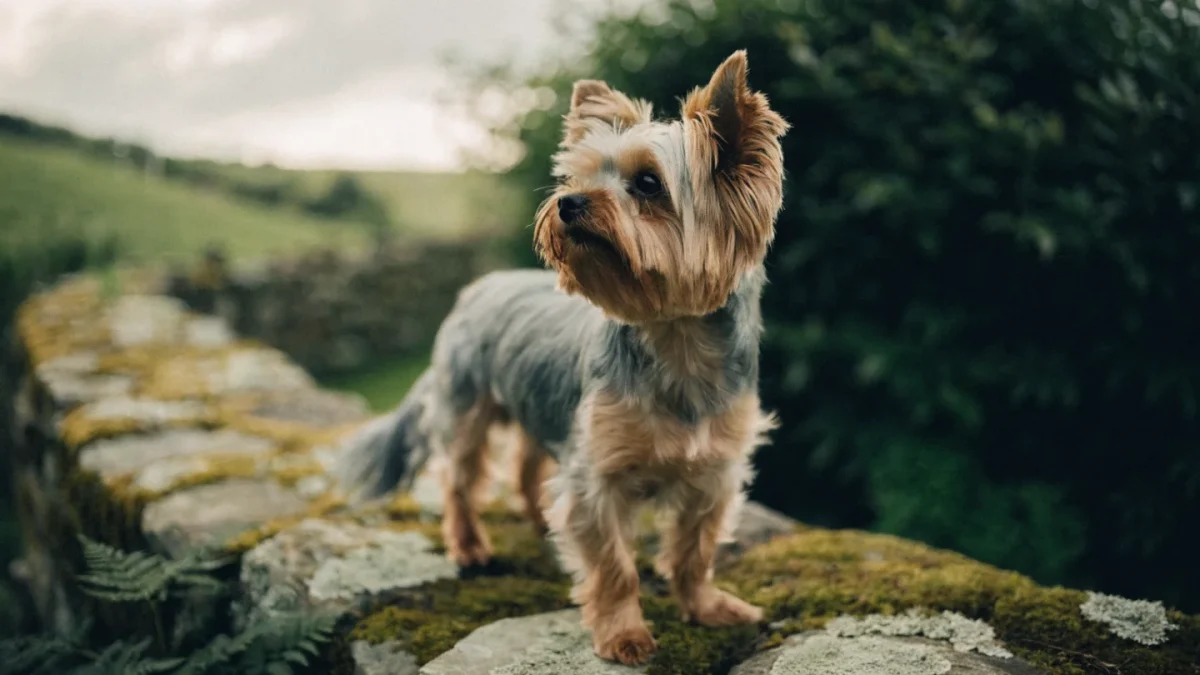
The Yorkshire terrier was never supposed to be a lapdog. In the 1850s and 1860s, Scottish weavers migrating south to the textile mills of Yorkshire brought small rough-coated terriers with them — working ratters bred to flush vermin from mine shafts and factory floors. Nobody kept records of those early crosses. What we know is that Paisley Terriers, Clydesdale Terriers, Skye Terriers, and likely Maltese all contributed to the mix, producing a dog small enough to follow rats into tight spaces but fierce enough to kill them once cornered.
Yorkshire terriers are compact, bold companion dogs developed in northern England's industrial regions during the mid-nineteenth century to control rat populations in mills and mines. They typically weigh under 3.2 kg, carry a continuously growing silk coat of steel-blue and tan, and live an average of 13 to 16 years. This yorkshire terrier breed guide covers the real history, temperament, health landscape, grooming demands, and the honest question of whether this breed fits your life.
What most people get wrong about Yorkies is the "purse dog" image. That reputation is a twentieth-century invention. The breed's foundation is terrier through and through — stubborn, alert, territorial, and far more physically capable than its size suggests. Understanding that disconnect between perception and reality matters if you're considering living with one.
The History Behind the Yorkshire Terrier Breed Guide
The breed's origin story is messier than most kennel club histories suggest. Unlike the golden retriever, whose pedigree was documented in meticulous studbooks, the Yorkshire terrier emerged from working-class crosses that nobody bothered to record. What we piece together comes from show records, newspaper accounts, and breed lore passed between fanciers.
The pivotal dog was Huddersfield Ben, born in 1865 and owned by Mary Ann Foster of Bradford. Ben won over 70 prizes in ratting competitions and dog shows before being killed by a carriage at age six in 1871. He's considered the foundation sire of the modern Yorkshire terrier — nearly every pedigreed Yorkie today traces back to him. His influence standardized the breed's size, coat quality, and coloring when "Yorkshire terriers" still varied enormously.
The name "Yorkshire terrier" was proposed in 1870 by a journalist named Angus Sutherland, who argued the breed had been so improved in Yorkshire that it deserved the county's name rather than being called a Scottish terrier variant. The name stuck, and by the 1870s and 1880s, Yorkies had crossed from working dog to show ring fixture.
From Mill Ratter to Victorian Parlor
The transition happened fast. Once upper-class women saw the breed's striking coat at exhibitions, demand shifted from working ability to appearance. By the 1880s, the Yorkie had become a fashionable companion — a trajectory that compressed a working dog's purpose into an ornamental one in barely two decades.
This shift created a tension that still defines the breed. The terrier temperament remained, but the body shrank. Selective pressure for tiny size introduced health complications the original mill dogs never faced. Yorkies have ranked among the most popular small breeds worldwide for the past thirty years, and that popularity keeps the tension alive.
Physical Characteristics
Size and Proportion
Breed standards set the maximum weight at approximately 3.2 kg, with no minimum weight specified — a detail that has enabled breeders to push sizes dangerously small. A healthy Yorkshire terrier stands about 18 to 20 cm at the shoulder, though there is meaningful variation. Dogs on the larger end of the range (closer to 4 kg) often have fewer health complications and more structural soundness than extremely small individuals.
A note on "teacup" Yorkies: this is a marketing term, not a recognized variety. Dogs advertised as teacup typically weigh under 1.8 kg and carry elevated risks for hypoglycemia, liver shunts, collapsed trachea, and fragile skeletal structure. No major breed registry recognizes a teacup category. If someone is selling a "teacup" Yorkie at a premium price, they're charging more for a dog that's likely to cost more in veterinary bills.
The Coat
The Yorkshire terrier's coat is its most distinctive physical feature, and it's fundamentally different from most dog coats. Yorkies have hair, not fur. It grows continuously — much like human hair — and doesn't have the same shedding cycle as double-coated breeds. This means minimal shedding around the house, but it also means the coat never stops growing and will mat severely without regular maintenance.
The color pattern is specific and changes with age. Puppies are born black and tan. Over the first two to three years, the black gradually clears to a dark steel-blue (never silver, never a washed-out gray — the blue should have depth). The tan portions develop into a rich golden-tan on the head, chest, and legs. Coat texture should be silky, fine, and straight. Cottony or wavy coats are considered faults in the show ring, though they're common in pet-quality dogs and affect nothing beyond appearance.
Full show coat takes years to grow and requires daily wrapping, oiling, and maintenance to prevent breakage. Most Yorkies in homes wear a "puppy cut" or a trim, which is practical and perfectly fine. The coat's nature does make the breed more suitable for people with dog-hair sensitivities, though no breed is truly hypoallergenic — individual reactions depend on proteins in dander and saliva, not coat type alone.
Other Distinguishing Features
The ears are V-shaped, small, and carried erect — a signature look that sometimes requires taping during puppyhood to help the cartilage set. The tail is traditionally docked to a medium length in countries where docking is still permitted. Natural tails are moderately long and carried slightly above the level of the back. The eyes are medium-sized, dark, and sharp — they give the face an alert, intelligent expression that accurately reflects the brain behind it.
Temperament and Behavior
If the Labrador is the golden rule incarnate — love everyone, trust everything — then the Yorkshire terrier is the small-town mayor: knows everyone's business, has opinions about all of it, and isn't shy about speaking up.
Personality Core
Yorkies are terriers first. The toy group classification in some breed registries obscures this essential fact. They are alert, confident, and opinionated dogs with a prey drive that can still surface around small animals, birds, and fast-moving objects. They bond intensely to their primary person and can be reserved or suspicious with strangers — a trait that makes them surprisingly effective watchdogs for their size.
Intelligence is high. Yorkies learn fast, remember long, and will exploit any inconsistency in household rules. Dogs that are carried everywhere and excused from basic manners because they're small often develop anxiety, aggression, and chronic barking. The breed's size makes it easy to enable these behaviors, but the dog pays the price.
Vocalization
Yorkies bark. This isn't a flaw or a training failure — it's breed heritage. Ratters needed to alert handlers to vermin, and that vocal tendency bred true. A Yorkie will bark at doorbells, passing dogs, delivery trucks, suspicious leaves, and sounds you can't identify. Training can moderate this substantially, but anyone expecting a quiet dog should look elsewhere. If you live in an apartment or a shared-wall situation, the barking question needs honest assessment before you commit.
Social Dynamics
With other dogs, Yorkies are variable. Many do well with dogs they're raised with but can be reactive with unfamiliar dogs — especially larger ones. The Yorkie doesn't know it weighs 3 kg, and it will challenge animals ten times its size. This isn't bravery in the romantic sense. It's a genuine safety risk if the larger dog responds in kind.
With children, caution is warranted. Yorkies are fragile. A toddler falling on or squeezing a Yorkie can cause serious injury — fractures, eye proptosis, tracheal damage. The breed does better with older children who understand gentle handling. This isn't about temperament. It's physics.
Health and Lifespan
Yorkshire terriers live an average of 13 to 16 years, with some individuals reaching 17 or 18. That's a long commitment, and during that time, several breed-specific health conditions are worth understanding.
Liver Shunt (Portosystemic Shunt)
This is the breed's most serious congenital condition. A liver shunt occurs when blood bypasses the liver through an abnormal vessel, preventing proper toxin filtration. Symptoms include stunted growth, poor appetite, disorientation (especially after eating), and urinary issues. Yorkshire terriers have one of the highest breed predispositions for congenital portosystemic shunts — a 2003 study in the Journal of the American Animal Hospital Association found the condition occurs roughly 36 times more often in Yorkies than in all other breeds combined. Surgical correction is often successful, but diagnosis requires specific blood work and imaging beyond a routine puppy exam.
Tracheal Collapse
The cartilage rings holding the trachea open can weaken and flatten over time, causing a characteristic honking cough. Common in Yorkies and worsens with age, obesity, and environmental irritants. Management involves weight control, harness use instead of neck collars, and in some cases medication or surgery.
Luxating Patella
The kneecap slipping out of its normal groove affects many toy breeds, and Yorkies are no exception. Severity ranges from grade I (intermittent, self-correcting) to grade IV (permanently displaced). Grades I and II often require no surgery. Higher grades typically need correction to prevent arthritis.
Dental Disease
Yorkies have small jaws packed with the same number of teeth as a German Shepherd. Overcrowding creates pockets where bacteria accumulate, and the breed is prone to early and severe dental disease. Many Yorkies begin losing teeth by age five or six without consistent care. Daily tooth brushing and regular professional cleanings are necessities, not optional extras.
Hypoglycemia
Low blood sugar is a particular risk in puppies and very small adults. Yorkie puppies should eat three to four small meals daily. Symptoms include lethargy, trembling, disorientation, and in severe cases, seizures.
Legg-Calve-Perthes Disease
This condition involves the deterioration of the femoral head (the ball of the hip joint) due to insufficient blood supply. It typically appears between four and twelve months of age and causes progressive lameness in one hind leg. Surgical treatment — typically femoral head and neck ostectomy — is effective, and multiple veterinary studies report owner satisfaction rates of 93 to 96 percent, with most dogs returning to normal activity levels within a few months of surgery.
Grooming Requirements
The Yorkshire terrier's coat is high-maintenance regardless of length. How much work you're signing up for depends on the style you choose.
Full (Show) Coat
This is the floor-length, parted-down-the-middle coat seen in breed shows. Maintaining it is essentially a part-time job: weekly baths, oil-based conditioning, and wrapping individual coat sections in tissue paper or latex wraps between groomings to prevent breakage. The dog wears these wraps most of the time. Few pet owners choose this path, and there's no reason they should unless they enjoy the process.
Pet Trim
Most Yorkie owners keep the coat trimmed to 3 to 5 cm in length. This requires professional grooming every four to six weeks, plus home brushing two to three times per week. Even short coats tangle behind the ears, under the legs, and around the collar area. A steel comb and a slicker brush are the basic tools. Mats that aren't caught early tighten against the skin and can cause irritation or restrict movement.
Basics That Apply Regardless of Length
Ears need weekly checking — the upright structure allows airflow, but hair growing inside the ear canal can trap moisture. Many groomers pluck or trim this hair. Nails need trimming every two to three weeks; small dogs that are carried often don't wear their nails down on pavement. And the dental care mentioned above is non-negotiable: daily brushing with a dog-appropriate toothpaste, supplemented by professional cleanings.
The Topknot
That signature bow or topknot isn't pure vanity — it keeps hair out of the dog's eyes. If you grow the head coat long, you'll need to tie it up with a band or clip daily. Some owners prefer to trim the face short instead, which eliminates the issue entirely.
Nutrition and Feeding
Small dogs have fast metabolisms and limited stomach capacity. Yorkies do best on small, frequent meals — two to three times daily for adults, three to four for puppies. An adult Yorkie eating a complete and balanced diet typically needs around 150 to 200 calories per day, though the exact amount depends on age, activity level, and individual metabolism.
Obesity is a serious risk despite the breed's small frame. Even a few hundred extra grams on a 3 kg dog represents a significant percentage of body weight and strains joints already prone to luxation. If you can't easily feel the ribs under a thin layer of tissue, the dog is likely overweight.
The breed's small size makes toxic food doses proportionally more dangerous. Foods that might cause mild upset in a large dog can be life-threatening for a Yorkie — chocolate, grapes, xylitol-sweetened products, and onions top the list. For puppies under four months, keep food available on a consistent schedule and watch for signs of hypoglycemia between meals.
Exercise and Activity
The yorkie's exercise needs are moderate but non-negotiable. This breed requires 20 to 30 minutes of walking daily, supplemented by indoor play and mental stimulation. They're active dogs within their environment — most Yorkies will trot around the house, investigate every noise, and engage with toys throughout the day without prompting.
Two mistakes are common with Yorkie exercise. The first is assuming the breed needs no exercise because it's small. A bored Yorkie becomes a destructive, barking, anxious Yorkie. The second mistake is overexercising — long hikes, running alongside bicycles, or extended play in extreme heat. The breed's small body overheats quickly, and those tiny joints aren't built for endurance activities.
Mental exercise matters as much as physical. Puzzle feeders, scent games, and short training sessions channel the breed's intelligence productively. Yorkies that get consistent mental stimulation are calmer and less prone to behavioral problems than those who are simply walked and otherwise ignored.
Cold weather tolerance is low. The single-layer coat provides minimal insulation, and the small body mass means Yorkies lose heat fast. A fitted coat for winter walks is practical, not frivolous. If the dog is shivering or lifting its paws, the walk is over.
Living Situation
Yorkies are adaptable to apartments, houses, and most living situations provided their exercise and social needs are met. The breed's small size makes it physically suited to smaller spaces, but the barking tendency needs management in shared-wall environments.
They are not outdoor dogs. A Yorkshire terrier left alone in a yard is at risk from predatory birds, larger animals, weather exposure, and escape through surprisingly small gaps — a Yorkie can squeeze through a fence opening of less than 8 cm.
Separation anxiety occurs frequently. Yorkies that shadow their owner constantly and become distressed when left alone may need graduated desensitization training and environmental enrichment during absences. This is a breed that was built to work alongside humans in close quarters. Being alone doesn't come naturally.
Breeding and Acquisition Considerations
Yorkshire terriers produce small litters — typically two to five puppies. Whelping complications are more common than in larger breeds, and cesarean deliveries are not unusual.
When evaluating a breeder, health testing matters. Responsible breeders test for liver shunt predisposition, patella integrity, and eye conditions. A breeder who can't produce health documentation for both parents is a red flag.
Adoption is also a viable path. Yorkies appear in breed-specific rescues regularly, often surrendered due to grooming costs or behavioral issues from poor socialization. Avoid any source advertising extreme miniaturization, rare colors (chocolate, parti, golden), or "teacup" sizing — these practices prioritize novelty over health.
What Most People Get Wrong About Yorkshire Terriers
The single biggest misconception is that this is a passive, decorative dog. Magazine covers and celebrity photos have created an image of the Yorkie as an accessory — carried in bags, dressed in outfits, content to sit on a lap all day. Some individual Yorkies are calm and easygoing, but the breed as a whole is not.
Yorkshire terriers are working terriers in a small package. They're opinionated, vocal, tenacious, and capable of remarkable stubbornness. Treating a Yorkie like a stuffed animal leads to a neurotic, snapping, fearful dog. Treating it like a dog — with appropriate boundaries, exercise, and socialization — produces a loyal, entertaining, and genuinely delightful companion.
The other common miscalculation is grooming cost. Professional grooming every four to six weeks plus dental cleanings means the annual maintenance cost of a Yorkie rivals or exceeds that of many larger breeds. This isn't a budget small dog.
The Right Owner for a Yorkshire Terrier
Honesty here serves the breed better than salesmanship. The ideal Yorkie owner:
- Has the time and budget for regular grooming and dental care
- Doesn't mind a vocal dog and is willing to work on bark management
- Wants an engaged, personality-heavy companion rather than a placid lapdog
- Lives in a situation where the dog's small size isn't a safety risk (no unsupervised access to large dogs, no very young children)
- Understands that small size doesn't mean low commitment
- Is prepared for a 13-to-16-year relationship with a dog that will have opinions about everything
The wrong fit is someone who wants a quiet, low-maintenance, easygoing small dog. That dog exists — it's just not a Yorkshire terrier. And buying a Yorkie hoping it will be something it isn't leads to frustration for the owner and a worse life for the dog.
If you've read all of this and you're still interested, that's a good sign. The Yorkshire terrier rewards owners who understand it with fierce loyalty, genuine entertainment, and a bond that — for all the breed's stubbornness — runs remarkably deep.
Frequently Asked Questions
Are Yorkshire terriers good apartment dogs?
Yes, their small size makes them physically suited to apartments. The main challenge is barking — Yorkies are vocal, and thin walls amplify the problem. Consistent training to moderate barking, adequate exercise, and mental stimulation make apartment living viable. Many Yorkies thrive in apartments where they receive enough attention and activity.
Do Yorkshire terriers shed?
Yorkies shed minimally compared to double-coated breeds. Their hair grows continuously, similar to human hair, so loose hair tends to stay in the coat rather than falling onto furniture. This makes them more tolerable for people sensitive to dog hair, though they're not truly hypoallergenic — allergic reactions depend on dander and saliva proteins, not hair type.
How long do Yorkshire terriers live?
The average lifespan is 13 to 16 years, with some individuals reaching 17 or 18. Longevity depends on genetics, dental care, weight management, and proactive veterinary screening for breed-specific conditions like liver shunt and tracheal collapse. Smaller-than-standard Yorkies may have shorter lifespans due to associated health fragility.
Can Yorkshire terriers be left alone during the workday?
Adult Yorkies can tolerate four to six hours alone with proper preparation — a safe space, enrichment toys, and a consistent routine. Longer periods increase the risk of separation anxiety, excessive barking, and house-training regression. Puppies need more frequent attention. If your schedule requires long absences, a midday visit from a pet sitter can bridge the gap.
How much grooming does a Yorkshire terrier need?
Even in a short pet trim, expect professional grooming every four to six weeks and home brushing two to three times weekly. Add ear cleaning, nail trimming, and daily tooth brushing. Full show coats require daily wrapping, weekly baths, and specialized conditioning. Grooming is one of the breed's highest ongoing costs — factor it into your budget before committing.