

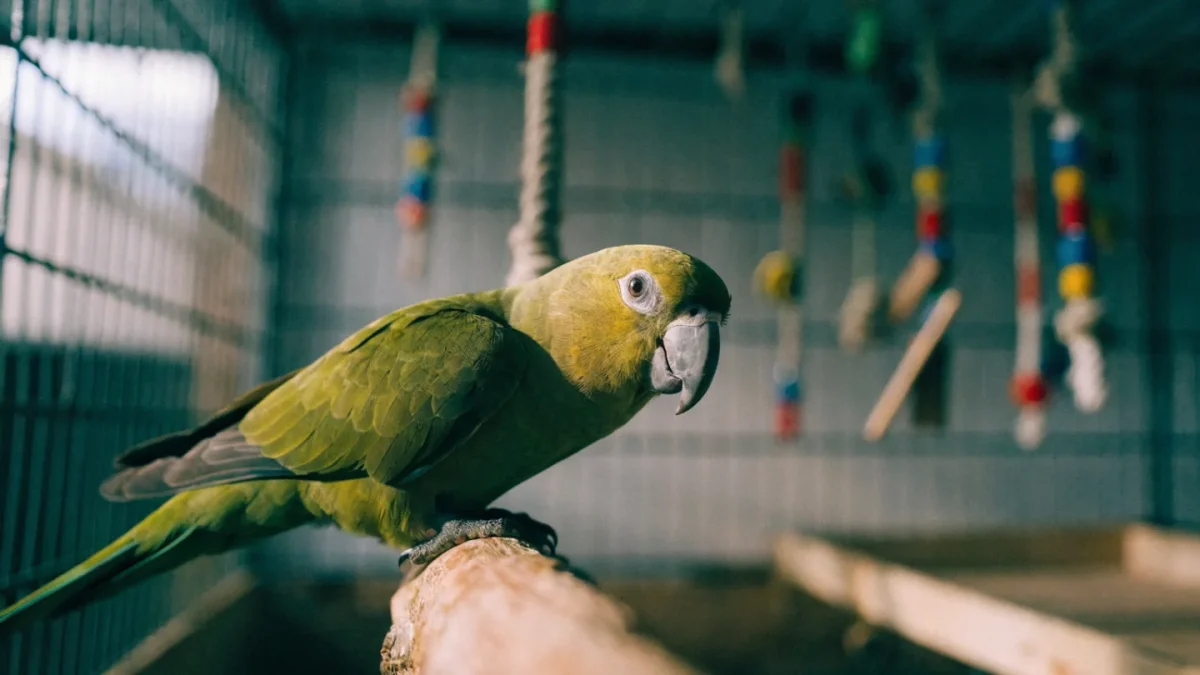
A friend of mine spent six months researching dog breeds before adopting a pup — read books, talked to breeders, the whole process. Then he impulse-bought a sun conure at a reptile expo because "it was so pretty." Three days later he called me in a panic because his apartment neighbors were threatening noise complaints. That bird ended up rehomed twice before finding a keeper who actually understood what a sun conure sounds like at 6 AM.
Medium parrots — broadly, species in the 100 to 350 gram range — include conures, caiques, and lories. They need spacious housing, a pellet-based diet supplemented with fresh fruits and vegetables, daily hands-on interaction, and environmental enrichment that keeps their minds working. But each group brings its own quirks, and lumping them together is where most new keepers go wrong.
What Counts as a "Medium" Parrot
There's no official weight class system for parrots. The term is loose. I use it for birds roughly between a cockatiel and an African grey — big enough to have a serious bite, small enough that cage requirements stay manageable for most homes.
The three main groups people encounter in this size bracket are conures (Aratinga and Pyrrhura genera), caiques (Pionites), and lories/lorikeets (Loriinae). Poicephalus species like Senegal parrots also fit here, along with some Pionus parrots. Each group evolved in different ecological niches, and that history shapes everything from diet to noise output.
Conures alone span dozens of species with wildly different temperaments. A green cheek conure and a sun conure share a genus but almost nothing else in terms of noise level and apartment compatibility. That distinction matters more than most care sheets acknowledge.
Housing Basics
Minimum cage dimensions for most medium parrots sit around 24 inches wide, 24 inches deep, and 30 inches tall — but honestly, that's a floor, not a recommendation. I've never met a medium parrot that wouldn't benefit from more space. Bar spacing should be 5/8 to 3/4 inch for most species in this range.
Horizontal bar orientation on at least two sides lets these birds climb, which they'll do constantly. A cage that's all vertical bars frustrates them.
Perch variety matters more than people realize. Natural wood branches of varying diameters keep feet healthy and prevent pressure sores. Dowel perches — those smooth, uniform rods that come with most cages — should be replaced immediately. I swap them out before the bird even goes in.
Placement in the home is its own conversation. Medium parrots want to be where the action is, but not in the kitchen (fume risk from cookware coatings is real and lethal) and not in direct sunlight without a shaded retreat. A living room corner where they can see the family but have a solid wall behind them hits the sweet spot for most birds.
Diet Across the Three Groups
This is where the groups diverge sharply.
Conures and caiques do well on a base of high-quality pellets making up roughly 60-70% of the diet, with the remainder split between fresh vegetables, some fruit, and occasional seeds or nuts as training rewards. Dark leafy greens, bell peppers, carrots, and cooked sweet potato are staples in my bird room. Fruit goes heavy on berries and small portions of tropical fruits — nothing avocado, ever, as it's toxic to all parrots.
Lories and lorikeets are a different animal entirely. Their digestive systems are built for nectar and pollen. A lory fed a standard parrot pellet diet will develop serious health problems. They need commercial nectar powder mixed fresh at least twice daily, supplemented with fresh fruit and some flower blossoms. This diet also means their droppings are liquid and projectile — a housing consideration that catches first-time lory owners completely off guard.
I switched a pair of rainbow lorikeets to a higher-quality nectar mix a few years ago, and within weeks their feather condition improved noticeably. Diet quality shows fast in these birds.
Seeds as a primary food source are inadequate for all three groups. The high-fat, low-nutrient profile of an all-seed diet leads to fatty liver disease, and I've seen it kill birds under ten years old that should have lived to thirty.
Noise — The Honest Version
If you're noise-sensitive, your species choice within this group matters enormously. Pyrrhura conures (green cheeks, crimson-bellied, maroon-bellied) produce moderate, raspy calls that most people can live with. Aratinga conures (sun, jenday, nanday) can rival much larger parrots in sheer volume. I've measured sun conures hitting decibel levels comparable to a fire alarm during their morning and evening contact calls.
Caiques fall somewhere in the middle. They're not screamers in the way sun conures are, but they have an enthusiastic, repetitive call that carries through walls. They also make constant lower-volume sounds — beeping, whistling, chattering — that some owners find charming and others find maddening.
Lories are loud. Full stop. Their calls are high-pitched and piercing, and they vocalize frequently. Anyone considering a lory in an apartment should spend at least an hour in a room with one before committing.
No medium parrot is silent. If you need a quiet home, a parrot might not be the right pet — or if it must be a parrot, large parrot species like African greys and macaws are paradoxically sometimes quieter in daily life than the smallest conures, though their peak volume is higher.
Social Needs and Enrichment
Medium parrots are flock animals. Every one of them. A bird sitting alone in a cage for ten hours while you're at work is a bird developing behavioral problems — feather destruction, screaming, biting, or that hollow-eyed apathy that's honestly worse than the screaming.
Minimum interaction time is two to three hours of out-of-cage time daily for most species in this group. Caiques need even more — they're hyperactive, physical birds that wrestle with toys, roll on their backs, and hop across floors like feathered wind-up toys. A caique without enough stimulation will find ways to entertain itself, and you won't enjoy the results.
Foraging enrichment is non-negotiable. Wrap food in paper, stuff it in cardboard tubes, hide pellets in crinkled paper cups. In the wild, these birds spend 4-6 hours a day finding food. A bowl of pellets takes thirty seconds to eat. That gap breeds trouble.
Rotate toys weekly. A toy that's been in the cage for a month might as well not exist. You don't need to spend a fortune — paper cups, popsicle sticks, and untreated wooden blocks work as well as anything from a pet store.
Lifespan Reality Check
This is the part nobody wants to hear at the pet store.
Green cheek conures live 20-30 years. Sun conures can hit 30+. Caiques average 25-30 years in good conditions. Lories, 15-25 years depending on species. These are not hamsters. You are committing to a relationship that outlasts most marriages and some mortgages.
I've taken in rehomed birds that were perfectly healthy — their owners just got tired after year eight. Or moved to a no-pets apartment. Or had a baby and couldn't handle the noise anymore. Every one of those situations was foreseeable at the time of purchase.
Before you get a medium parrot, answer this honestly: can you provide daily interaction, fresh food preparation, and cage cleaning for twenty-plus years? If there's hesitation, that's not a failing. It's information.
Species Selection at a Glance
I get asked "which one should I get?" more than any other question. There's no universal answer, but here's how I frame it:
Want a cuddly, relatively quiet companion? Green cheek conure. They bond intensely to their person, they're among the quietest conures, and they adapt well to apartment life.
Want entertainment and don't mind noise? Caique. Nothing in the parrot world matches a caique for sheer physical comedy. But they require experienced handling and they bite harder than their size suggests.
Want a stunning visual experience and have dedicated setup time? A lory or lorikeet. Their colors are unreal, their personality is electric, and their diet and mess requirements mean they're not for casual keepers.
Want the classic "parrot on shoulder" experience? A sun conure delivers that in spades — charismatic, colorful, eager to be with you. But your neighbors and your eardrums need to be on board.
FAQ
Can I keep two medium parrots together in one cage?
Depends entirely on species and individual personality. Two green cheeks that were raised together often cohabitate well. Mixing species — say a conure and a caique — is asking for trouble. Caiques can be aggressive toward other birds, and size-matched doesn't mean temperament-matched. I'd always start with separate cages in the same room and only consider shared housing after months of supervised interaction, if ever.
Do medium parrots talk?
Some do. Conures can pick up a few words and phrases, though their pronunciation is usually garbled compared to an African grey or Amazon. Caiques rarely develop clear speech. Lories can be surprisingly good mimics — I knew a chattering lory that learned to imitate the microwave beep perfectly, which got old fast. If talking ability is a priority, a medium parrot probably isn't your best bet.
How often should a medium parrot see a vet?
Annual wellness exams with an avian vet — not a dog-and-cat vet who "also sees birds." Avian medicine is a specialty, and a generalist may miss early signs of common parrot diseases. New birds should see an avian vet within the first week of coming home, before you integrate them with any existing birds.
Are medium parrots good for families with children?
They can be, with supervision and realistic expectations. Conures tend to bond with one person, which can mean biting other family members. Children under about eight usually lack the body language reading skills to avoid bites. I'd recommend a green cheek for families — they're forgiving of handling mistakes and less likely to deliver a serious bite than a caique or larger conure.