

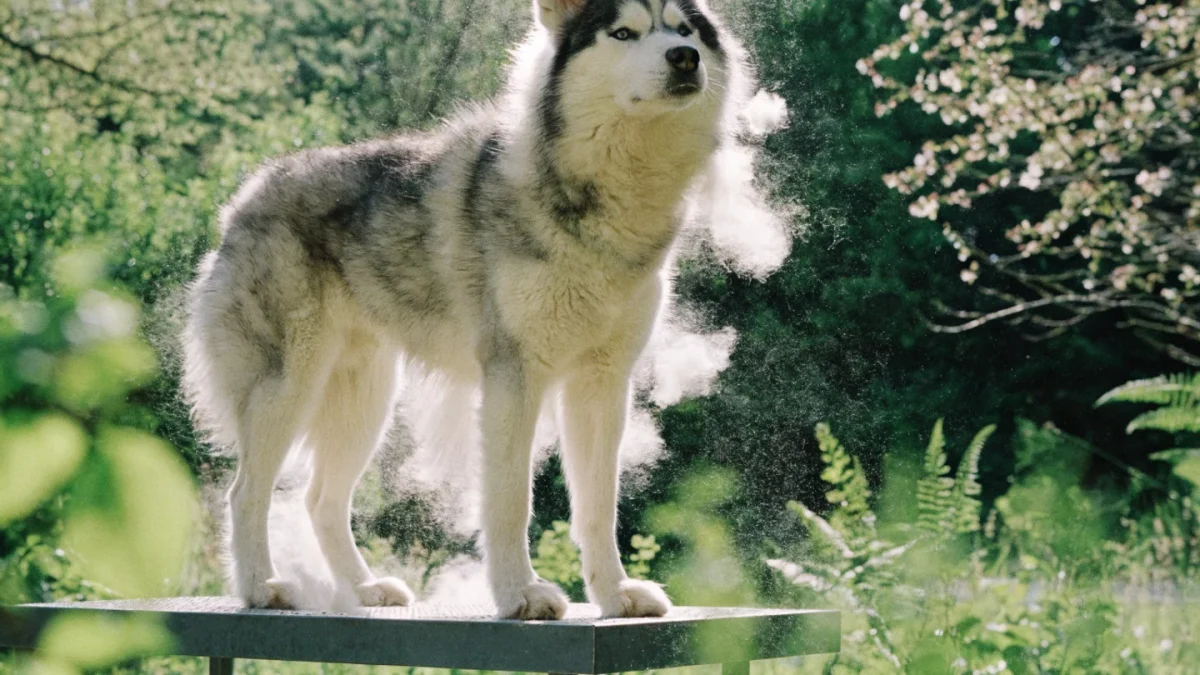
My Alaskan Malamute client — a spectacular male named Kodiak whose coat I've tracked through four years of grooming notes — requires different things from me in April than he does in October. In spring, he blows his undercoat in quantities that seem physically improbable; the grooming table looks like a small explosion after a deshedding session. By late summer, his coat is smooth and relatively manageable. By winter, the dense double coat has rebuilt itself and he needs specific paw care against ice and salt. The routine that keeps him comfortable rotates with the calendar.
Most dogs aren't as dramatically seasonal as a Malamute. But the principle applies broadly: ambient temperature, humidity, activity level, outdoor exposure, and biological coat cycles all change across seasons. A grooming routine that ignores those changes misses real opportunities — and creates real problems.
Why Seasons Change Grooming Needs
Temperature and humidity. Coat length that's comfortable in December can cause heat retention problems in August. Skin that stays moisturized in summer may become dry and flaky in the low humidity of heated winter homes. The baseline conditions of the skin and coat shift with the environment.
Shedding cycles. Dogs — particularly double-coated breeds — have biological shedding cycles tied loosely to daylight length and temperature. Spring shedding (blowing the winter undercoat) is the heaviest for most double-coated dogs. A secondary shedding in fall prepares the coat for winter. Indoor dogs with artificial lighting have more compressed, year-round shedding, but most still have spring and fall peaks.
Outdoor exposure changes. Mud in spring and fall. Pollen in spring. Ticks and burrs through summer and fall. Ice and salt in winter. Each season brings specific coat contamination and external hazards.
Activity patterns. More swimming and water play in summer affects coat condition — repeated wetting without proper drying can promote skin issues and coat damage. More outdoor winter activity means more paw exposure to harsh surfaces.
Spring: Managing the Coat Blowout
For most owners with double-coated or densely coated breeds, spring is the most demanding grooming season. The winter undercoat releasing — sometimes dramatically — can result in mats if the dead coat isn't actively removed.
The tools you need: High-quality undercoat rake (a fine-toothed version for thick coats like Siberians, a wider version for less dense double coats like Labrador Retrievers). Slicker brush. Metal comb. For dramatic shedders, a high-velocity dryer dramatically accelerates loose coat removal during baths.
The approach: Increase brushing frequency to multiple times per week during peak shedding. Work methodically — divide the coat into sections, work to the skin, confirm with the metal comb. Particularly thorough around the collar, armpits, and hind quarters where coat compresses most easily.
Professional deshedding treatments are worth the investment during spring for heavy shedders. A groomer who baths, high-velocity dries, and works through the entire loosening undercoat in one session removes more dead coat than most owners can at home.
Pollen. Spring coats collect pollen, which can aggravate dogs with environmental allergies. Wipe-downs after outdoor exposure — a damp cloth over coat and paws — reduce the pollen the dog carries back inside and licks off. For dogs with significant pollen reactions, increased bath frequency (weekly rather than monthly) during pollen season can reduce skin irritation.
Mud season. The thaw brings mud, and mud in double coats is a mat risk. Rinse mud off before it dries and sets into the coat. A garden hose or a quick rinse tub works; what doesn't work is letting mud dry in and then trying to brush through it.
Summer: Heat Management and Coat Decisions
The instinct to shave a double-coated dog in summer is understandable. The double coat looks hot. The logic of removing it seems obvious.
It's usually the wrong call.
The double coat of breeds like Golden Retrievers, Border Collies, German Shepherds, Huskies, and Malamutes functions as temperature regulation in both directions. The outer guard coat protects against solar radiation; the undercoat provides insulation that actually moderates against heat as well as cold. Shaving removes that system and exposes the skin directly to sun exposure, with risk of sunburn, coat texture changes on regrowth, and sometimes permanent coat damage.
Exceptions: certain conditions (hot spots, extensive matting, medical skin issues) may require shaving. And some breeds with specific coat types are routinely trimmed short in summer — breeds whose coat doesn't function the same way as the classic double coat. Know your breed's coat type before making seasonal trim decisions.
What summer grooming actually calls for in double-coated breeds: thorough deshedding to remove the loose undercoat, which allows better airflow to the skin. Keeping the coat clean and mat-free. More frequent brushing to maintain airflow.
Single-coated breeds (Poodles, Bichons, most terriers) can be trimmed shorter for summer with no coat function concerns — their coats don't have the double-coat thermoregulation mechanism.
Bathing frequency typically increases in summer. Dogs swim, roll, get muddy, collect insects and pollen. Monthly bathing may shift to biweekly. Ensure each bath is followed by complete drying — summer heat promotes bacterial growth in damp skin folds and dense coat, causing hot spots and skin infections.
Sun protection for pink-skinned or thin-coated areas. Dogs with white coats or thin coverage on nose, ear tips, and belly can sunburn. Pet-safe sunscreen or physical protection (avoiding peak sun hours for outdoor exposure) matters for these dogs.
Paw care in summer. Hot pavement burns paw pads — a significant issue in urban areas during heat waves. The seven-second test: place the back of your hand on the pavement surface. If you can't hold it there comfortably for seven seconds, it's too hot for your dog's paws. Walk during cooler hours or use dog booties on hot surfaces.
Fall: Preparing for Winter
Fall grooming serves one primary purpose: getting the coat into good condition before winter's demands on both coat and skin.
Coat transition. Dogs grow in their winter coats in fall. For double-coated breeds, the undercoat density increases. This transition period involves some shedding (the summer coat giving way) before density increases. Keep brushing consistent through this period to prevent the transitioning coat from matting.
Deep conditioning. Fall is a good time for a conditioning treatment — either at the salon or with a leave-in conditioner appropriate for your dog's coat type. The coat is about to face months of dry indoor heat, which strips moisture. Starting winter with a well-conditioned coat makes a real difference.
Nail length. Winter means more indoor time and less natural nail wear on pavement and outdoor surfaces. Check nail length before the indoor season and adjust trimming frequency accordingly.
Final outdoor decontamination. Tick removal and treatment (ticks are still active in early fall across much of North America), burr and seed removal from coat (fall is burr season for dogs who go through brush and fields), mud and debris management.
Winter: Protection and Maintenance Under Difficult Conditions
Winter grooming is less about quantity and more about specific protection tasks.
Paw care is the most critical winter task. Ice melt products and road salt are the primary hazards. The salt draws moisture from the pads, causing cracking and pain. The ice melt formulations vary — some are pet-safe, many are not — but even pet-safe products can dry the pads with sufficient exposure.
After every winter walk: rinse or wipe the paws. Not optional for dogs walking on treated surfaces. A shallow tub of warm water, a quick paw dip and towel dry, is the most practical approach. Apply a protective paw balm before walks on treated surfaces; the barrier reduces direct chemical contact.
Check between the toes. Ice balls form between the toes of dogs with long foot hair — particularly in breeds like Standard Poodles, Golden Retrievers, Border Collies. Ice between the toes is painful and can cause limping, skin abrasion, and moisture retention. Trim the hair between the toes to minimize ice accumulation.
Indoor heating and dry air. The low humidity of heated indoor environments causes skin to dry out. Dogs develop dandruff, flaky skin, and sometimes excessive scratching without any external allergen involved — just dry air. Omega-3 fatty acid supplementation helps from the inside; humidifiers help from the outside. Avoid overbathing in winter, which strips natural oils from already-dry skin.
Coat length decisions. Short-coated or thin-coated breeds — Greyhounds, Vizslas, Dobermans, Chihuahuas, Boxers — may benefit from protective clothing in winter. These are not vanity items; they're real insulation for dogs who lack the natural coat protection of other breeds.
Snow and ice matting. Wet snow packs into double coats and can cause rapid mat formation. Brush the coat immediately after coming in from heavy snow exposure, before the snow melts fully and the coat dries mat-in-place.
Year-Round Consistency: The Foundation
Seasonal adjustments work on top of consistent year-round basics. Not instead of them. Weekly brushing doesn't become monthly just because it's July. Nail trims don't shift to quarterly just because the dog is less active in winter.
The adjustments are:
- Frequency changes (more brushing during shedding seasons, more bathing in summer)
- Protective additions (paw care in winter, pollen management in spring)
- Product changes (conditioning in fall and winter; lighter products in summer)
- Professional service adjustments (deshedding treatments in spring; specific summer trim or winter coat prep appointments)
The core routine — brush, comb, nail trim, ear check, bath as needed — continues all four seasons. What varies is the emphasis and the details.
FAQ
Should I shave my double-coated dog in summer?
Almost always no. The double coat functions as a thermoregulation system in both directions. Shaving it removes that protection, exposes skin to UV radiation, and risks permanent coat texture changes. Remove the loose undercoat through deshedding instead. See the discussion above and the breed-specific breakdown in the article on summer shaving by breed.
My dog's skin gets really dry in winter. What helps?
Indoor humidity (humidifiers help), omega-3 supplementation in the diet, and avoiding overbathing. Overbathing in winter removes natural skin oils that are already compromised by dry air. Monthly rather than biweekly bathing during winter, with a conditioning shampoo, is often the right adjustment.
When does spring shedding end?
For most double-coated dogs: six to eight weeks of peak shedding, typically March through May in the Northern Hemisphere. It tapers rather than stopping sharply. Continued brushing after the peak helps clear the remaining transitioning coat.
My dog hates the paw rinse routine. Any tips?
Start before the season — build the paw rinse into the routine in fall before the salt and ice begin. Tub conditioning with treats. The bowl-of-warm-water method is less confrontational than running water for most dogs. Every paw rinse gets a treat at the end, every time.
Do cats need seasonal grooming adjustments?
Long-haired cats do, yes — spring shedding is significant for breeds like Maine Coons and Persians, who need increased brushing to prevent mat formation during the coat transition. Cats also need winter paw care if they go outdoors in treated snow. Short-haired indoor cats are largely unaffected by seasonal grooming changes. See the seasonal grooming for cats section in the complete cat grooming guide.