

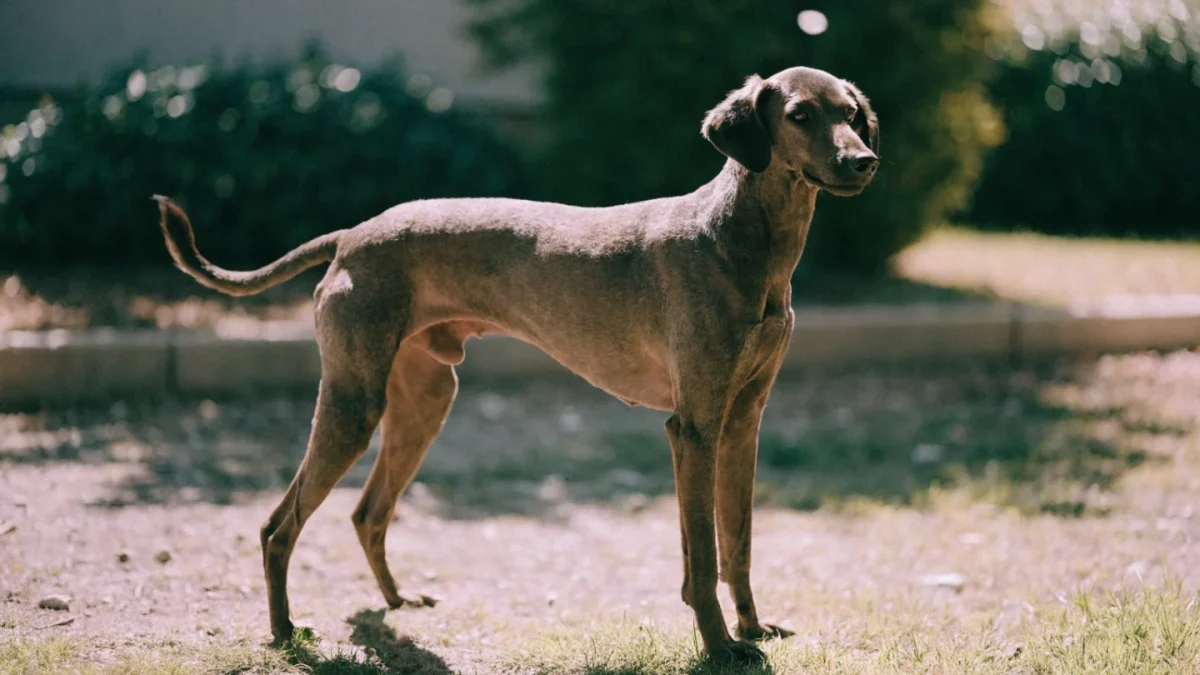
Every summer, I get the same request from well-meaning owners: "Can you just shave him down? It's so hot." I understand the impulse. Standing outside in a fur coat in August sounds miserable. But the answer — and what's actually happening thermally with dog coats — is more complicated than it looks.
Summer grooming matters enormously. Done correctly, it keeps dogs comfortable, protects skin from sun damage, and prevents the matting and hotspot formation that heat and humidity accelerate. Done incorrectly — particularly with double-coated breeds — it can actually make dogs less comfortable and vulnerable to overheating.
Here's what the season actually requires, breed by breed and coat type by coat type.
The Coat and Temperature Myth
The intuitive logic — more fur equals hotter — is incomplete. Dog coats aren't just insulation against cold. They're thermoregulatory systems that work in both directions.
In double-coated breeds (Huskies, German Shepherds, Golden Retrievers, Labradors, Corgis, and dozens more), the outer guard coat reflects solar radiation while the undercoat provides an insulating air layer between skin and environment. When that system is intact and properly maintained — meaning dead undercoat is brushed out so air can circulate — the coat actually shields the dog from radiant heat. Shave it off and the skin is directly exposed to sunlight. That dog can sunburn. And without the guard coat's reflective properties, the skin absorbs more solar energy, not less.
Dogs cool themselves primarily through panting and through the skin of their ears and paw pads — not through their coats. So removing the coat doesn't meaningfully improve the panting-based cooling system. It just removes the sun shield.
For single-coated dogs and those with coats that grow continuously (Poodles, Bichons, Doodles, Shih Tzus, Maltese), summer haircuts make genuine sense because these coats don't self-regulate the same way. A shorter cut reduces the overall heat retained by the hair itself.
Which Dogs Benefit From Summer Haircuts
Yes — trim shorter:
- Poodles and Poodle crosses (Doodles, Cockapoos, Labradoodles)
- Bichon Frises
- Shih Tzus, Lhasa Apsos
- Maltese
- Yorkshire Terriers
- Cocker Spaniels (body trim, leave feathering appropriate length)
- Schnauzers
- Any breed whose coat grows continuously rather than seasonally
For these dogs, a shorter summer cut — typically a puppy cut, kennel cut, or similar style — reduces the volume of coat trapping heat around the body. Groomers often take these dogs an inch shorter than usual during summer months. It genuinely helps.
No — brush out only:
- Siberian Huskies
- Alaskan Malamutes
- German Shepherds
- Golden and Labrador Retrievers
- Samoyeds
- Corgis (both Pembroke and Cardigan)
- Chow Chows
- Australian Shepherds
- Akitas
For these breeds, the summer routine is aggressive brushing to ensure the undercoat is fully blown out and not matting — not cutting. A properly deshedded double coat in summer is actually a thermal advantage. The spring blowout management guide covers how to get the coat to that state before summer heat arrives. Trim the "feathering" (longer furnishing hair on legs, belly, and tail) if you like for neatness, but leave the main body coat alone.
Some trimming appropriate:
- Border Collies (can be lightly thinned but not shaved)
- Great Pyrenees (thinning appropriate)
- Bernese Mountain Dogs (feathering trim)
Sun Protection: Which Dogs Are Vulnerable
Not all dogs get sunburned equally. Pigmentation matters — dogs with pink or pale skin, white or light-colored thin coats, or naturally sparse coat coverage are genuinely at risk for solar damage.
High sun exposure risk:
- Bull Terriers (white coats, pink skin)
- Dalmatians (white areas)
- Weimaraners (short coat, thin coverage)
- Pit Bull types (short coat, variable pigmentation)
- Chinese Crested (largely hairless)
- Hairless Sphynx cats (extreme risk)
- Any dog with a shaved area — shaved skin has zero UV protection
Vulnerable areas on any dog: the nose, ear tips, the belly, and the area around the eyes. Short-nosed breeds (Bulldogs, Pugs, French Bulldogs) have sun-exposed facial skin from their anatomy.
Pet-safe sunscreen is available and should be applied to vulnerable areas before extended sun exposure. Human sunscreen is not safe for pets — zinc oxide and salicylates are toxic if licked. Use a formulation specifically labeled for pets, applied to ear tips, the bridge of the nose, and other exposed areas.
For dogs with short or shaved coats spending time in direct summer sun, a UV-protective dog shirt can be appropriate — particularly during midday hours.
Summer Grooming Frequency
The heat and humidity of summer accelerate everything bad that happens to coats: mats form faster (sweat and moisture cause hair to clump), hotspots develop more readily under dense or matted coat, and dirt, allergens, and parasites accumulate faster.
Standard grooming frequency by coat type in summer:
| Coat Type | Brushing | Bathing | Professional Trim |
|---|---|---|---|
| Double coat | 3x/week minimum | Monthly or after swimming | As needed for furnishings |
| Continuous growth | 3x/week | Every 4-6 weeks | Every 6-8 weeks |
| Short/smooth | Weekly | Monthly | Rarely needed |
| Long silky | 3-4x/week | Monthly | Every 8-10 weeks |
Dogs who swim frequently need more bathing — chlorine and salt water both strip coat oils and leave residue that leads to skin problems with prolonged exposure. See our complete guide to bathing dogs for post-swim protocol.
Managing Humidity
High humidity is, in my experience, harder on most coats than heat alone. Humidity causes hair shafts to absorb moisture, swelling them and reducing elasticity — this is when mats form overnight in dogs that seemed fine the day before.
Curly and wavy coats (Doodles, Spaniels, Setters) are especially vulnerable. In humid summer months, these dogs need brushing before any outing that involves swimming, rain, or even heavy dew — wet coat that dries in a tangled state felts together.
After any water exposure: rough-dry with a towel first, then use a handheld dryer or allow the dog to dry while being brushed through. Letting a long or curly coat air-dry loose virtually guarantees matting.
Hotspot Prevention
Hotspots — acute moist dermatitis — are far more common in summer. Heat, humidity, and any moisture trapped against skin create the conditions. Dogs who swim, get caught in rain, or simply sweat heavily are at risk.
Grooming prevention:
- Keep coat density under control — thick undercoat traps moisture
- Make sure wet dogs are dried thoroughly, not just toweled
- Check coat after swimming for areas where water is retained against skin
- Keep the coat around the ears and neck area especially well-thinned
- Watch for excessive scratching or chewing — early hotspots look like small wet patches of matted hair
If you find a hotspot, clip the area short, clean it with a mild antiseptic, and keep it dry. Significant hotspots warrant a vet visit.
Paw Care in Summer
Pavement heats dramatically in summer sun — blacktop can exceed 60°C on a hot day. The test: press the back of your hand to the pavement for five seconds. If it's uncomfortable, it's too hot for unprotected paws. Paw pad burns are painful and take weeks to heal.
Summer paw grooming: keep the hair between the toes trimmed short. Long inter-digital hair traps debris, burrs, and moisture — all three of which cause problems in summer. A small pair of scissors and a monthly trim between pad hair is sufficient.
Paw wax can provide some thermal protection for dogs who walk on hot surfaces, but the more reliable solution is walking on grass, choosing cooler times of day, or using dog boots (most dogs accept these with gradual introduction).
The Summer Grooming Session Setup
Heat matters for the dogs being groomed too. Avoid grooming outdoors in direct midday sun — the dog overheats, becomes uncomfortable, and sessions go badly. Early morning grooming sessions (before 10am) or evening sessions work better for everyone.
Carry fresh water during any extended grooming session. A cooling mat under the dog during a longer session makes a meaningful difference for heat-sensitive breeds.
For our full seasonal approach, including spring blowout management and fall preparation, see the seasonal grooming overview.
FAQ
Does shaving a double-coated dog help them stay cool in summer?
No — and it often has the opposite effect. Double coats insulate against heat, not just cold, and the guard hairs reflect solar radiation. Shaving exposes the skin to direct sunlight and eliminates the insulating air layer. The correct approach is thorough deshedding of the undercoat.
How short should I trim my Doodle or Poodle in summer?
Most groomers recommend going about an inch shorter than the dog's usual length. A puppy cut (uniform short length over the body) works well for summer and is easy to maintain. Avoid going shorter than half an inch, which can cause the coat to mat to the skin.
Can dogs get sunburned?
Yes, especially dogs with short or thin coats, light pigmentation, pink skin, or any shaved areas. The ear tips, nose bridge, belly, and around the eyes are most vulnerable. Use pet-safe sunscreen (not human formula) for dogs spending significant time in direct sun.
How often should I bathe my dog in summer?
Bathing frequency should increase slightly — monthly is a good baseline, with additional baths after swimming or muddy outings. Dogs who swim in chlorinated pools may need gentle rinsing every few swim sessions to prevent coat damage from chlorine accumulation.
My dog gets hotspots every summer — what can I do?
Focus on coat density and moisture management: keep undercoat brushed out, dry the dog thoroughly after any water exposure, and keep the coat in friction-prone areas trimmed. Consider a professional groom at the start of summer to reduce overall coat bulk. If hotspots recur despite good grooming, discuss with your vet — some dogs have underlying allergies that make them prone.