

Here's what's actually going on when your cat drags their claws down the side of your couch at 7 AM: it's not spite. It's not a power move. It's one of the most fundamental things a cat does, and understanding the why behind it makes all the difference in actually solving it.
Cats scratch because they have to. It's a physical need, a communication tool, and a stress-regulation mechanism all bundled into one behavior. The good news is that redirecting scratching is completely achievable — not by stopping the behavior, but by giving your cat something better to scratch than your furniture.
Why Cats Scratch: The Real Reasons
Claw Maintenance
The outer sheath of a cat's claw grows continuously. Scratching strips away the dead outer layer and exposes the sharper claw underneath. It's essentially self-grooming, and cats that don't scratch enough end up with overgrown, uncomfortable claws. This isn't optional for them — it's maintenance, like filing your nails except if you didn't do it your nails started catching on everything.
Full-Body Stretching
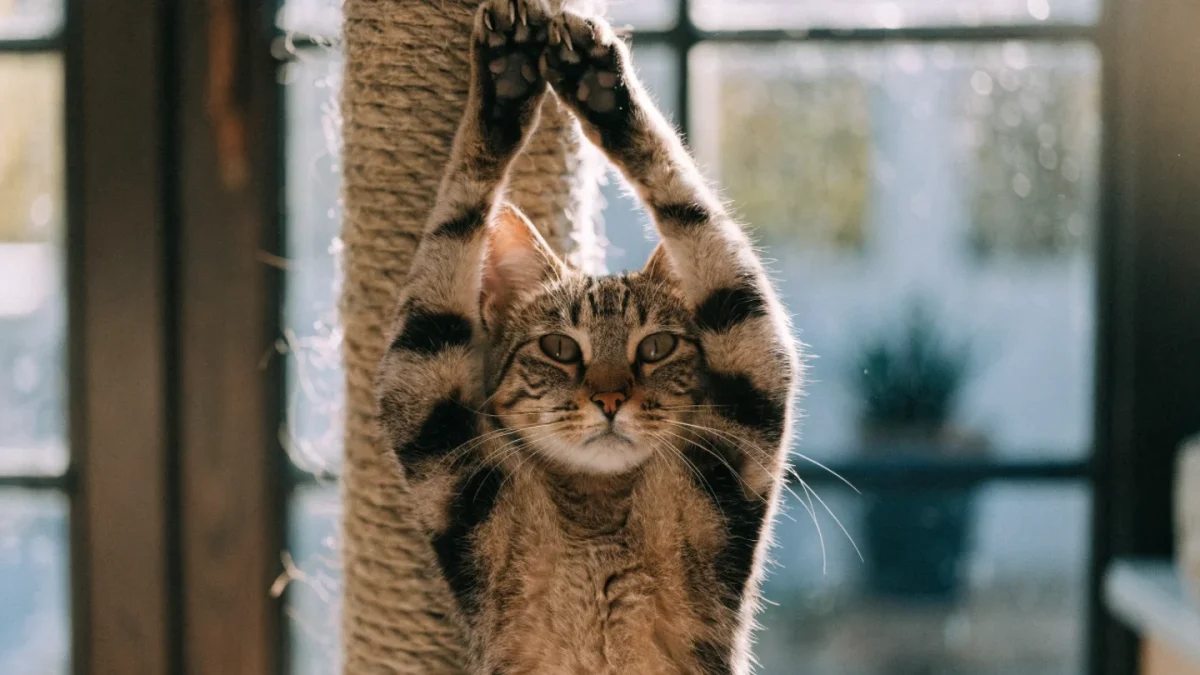
Watch your cat scratch a tall post sometime. They stand on their hind legs, extend their front legs fully, and pull down. That's a full spinal stretch. Cats do this most after sleeping — which is why your couch arm gets hit first thing in the morning. The scratch and the stretch are often happening simultaneously.
Territory Marking
Cat paws have scent glands, and scratching deposits both a visual mark and a chemical signal. This is why cats tend to scratch in visible, high-traffic spots — doorways, corners, the front of furniture — rather than hidden places. They're leaving a message for other animals (and, honestly, for themselves). The visual marks matter too, and cats in multi-cat households often scratch more frequently as they work to maintain and update their shared territorial map.
Emotional Regulation
Scratching is a stress outlet. After something exciting or unsettling — a loud noise, a stranger arriving, an argument between the humans — you may notice a spike in scratching. It's a coping mechanism. My cat Miso scratches the sisal post by the front door every single time someone rings the doorbell. Like clockwork.
Muscle Engagement
The pulling motion engages the shoulders, back, and core. Cats kept primarily indoors can lack enough physical outlets for these muscle groups, and scratching fills that gap. It's minor exercise, and cats seem to find it genuinely satisfying in a way that pure play doesn't replicate.
Why Your Cat Is Scratching That Specific Spot
This is the real question, because understanding location choices helps you redirect correctly.
They like the texture. Different cats have strong texture preferences — woven sisal, cardboard, carpet, wood. If your cat is targeting a specific fabric on the couch, they're telling you exactly what kind of surface they want. Note it.
They like the stability. Wobbly things don't work for serious scratching. A post that tips or shifts when they lean into it will be abandoned immediately. Your couch, unfortunately, is perfectly stable.
They like the height. Cats that scratch upright furniture need a post they can fully extend against — usually at least as tall as their body length with forelegs raised. A short post that forces them to hunch isn't satisfying.
It's a familiar spot. Once a scent mark is established somewhere, the cat is drawn back to it. This is why just removing a cat from the couch doesn't solve anything — the scent is still there, reinforcing the habit.
You're there. Some cats scratch specifically when you're around, partly as communication ("I exist, notice me") and partly because scratching near a social group member is a normal feline behavior. Understanding your cat's body language during these moments can tell you whether they're seeking attention, marking territory, or just doing routine maintenance.
How to Redirect Scratching: A Step-by-Step Approach
Step 1: Match the Surface They Already Like
Don't start by buying a random post. Start by observing. What are they scratching? Fabric couch = they like soft, multi-directional texture, which often means woven fabric or coarse sisal. Carpet = they may prefer a horizontal scratch pad rather than a vertical post. Wood trim = look for a post with a bark-textured or rough wood surface.
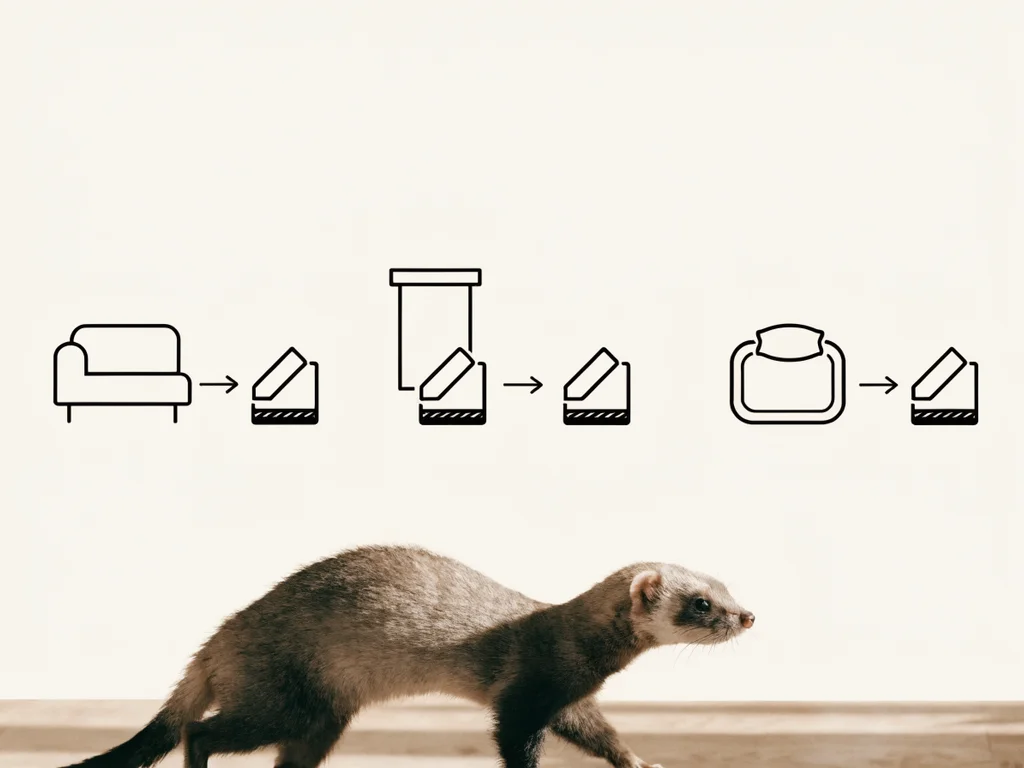
The texture match is the single most important factor in post adoption. A cat that ignores an expensive sisal post will immediately use a $15 cardboard scratch pad if the texture preference is cardboard. Don't take it personally.
Step 2: Get the Height and Orientation Right
Vertical posts need to be tall enough for a full stretch — roughly two-thirds of your cat's body length when standing, which for most cats means at least 70–90 cm. Anything shorter will be ignored.
Some cats prefer horizontal scratching. These are the ones who scratch rugs, carpet runners, or floor-level furniture bases. For them, a flat cardboard pad or an angled scratcher (30–45 degrees) is far more effective than a tall post.
When in doubt, get one of each and see which one your cat approaches first.
Step 3: Place the Scratcher Where the Problem Is
This is where most redirecting attempts fail. People put the new scratcher in an "out of the way" corner, then wonder why the cat keeps using the couch. But placement is everything.
Put the scratcher directly next to (or in front of) the spot they're already using. Right there. Yes, it may look awkward in your living room for a while. That's temporary. Once the habit transfers, you can gradually move the post a few centimeters per day toward a more acceptable location. Moving it more than that risks losing the behavior transfer entirely.
High-value placement zones — spots where scratching is most reinforced naturally:
- Near where your cat sleeps (post-nap stretch)
- Near doorways or entrances (territorial marking spots)
- In the main social area where you spend time
- Near the window they watch from
Honestly, more posts in more places is almost always better than one post in one corner. Think of it as distributing the acceptable options.
Step 4: Make the Unwanted Surface Less Appealing
While you're building the new habit, make the problem spot less satisfying to scratch. Options that work:
- Double-sided tape applied to the target area — the sticky texture is aversive to cats and they'll typically avoid it. Remove it once the new habit is established.
- Plastic furniture guards (clear sheets that fit over couch arms or corners) — removes the texture they like.
- Aluminum foil laid over horizontal surfaces — the sound and texture are unappealing to most cats.
- Citrus scents — many cats dislike them. A citrus-based spray on the problem area can deter revisits, but test on a hidden spot first to avoid fabric damage.
None of these need to be permanent. The goal is just to interrupt the habit loop while the new scratcher becomes established.
Step 5: Reinforce the New Scratcher
Cats don't respond to punishment, but they respond very well to positive reinforcement. Every time you see your cat using the appropriate scratcher:
- Quiet verbal praise in a warm tone
- A small treat immediately after (within a few seconds)
- Play near the post to build positive associations with that location The nuances of cat enrichment are worth a closer look if this resonates.
You can also encourage initial use by sprinkling dried catnip on or around the post, or by using a catnip-infused rubbing on the surface. Some cats respond strongly; others couldn't care less. Worth trying.
Don't pick your cat up and put their paws on the post to "show them." Most cats find that uncomfortable and it creates a negative association with the very thing you want them to like.
Step 6: Trim the Claws Regularly
This doesn't stop scratching, but it reduces the damage. Trimmed claws leave fewer marks on furniture, and the claw maintenance need is partially reduced. Most cats need a trim every 2–4 weeks according to veterinary guidelines, though indoor cats may need more frequent trims than outdoor cats who naturally wear down their claws on surfaces. Most cats can be conditioned to tolerate it with gradual desensitization.
Start by simply handling your cat's paws regularly — not trimming, just touching. Build up to pressing gently to extend the claw. Eventually introduce the trimmer without using it, just setting it nearby. This process takes patience but most cats get there.
Scratching Posts: What to Actually Look For
Since brands vary by region and availability changes, here's what matters in any scratcher you're evaluating:
Stability: No wobble at all when a full-grown cat leans their weight against it. Tip the post yourself — if it moves easily, your cat will reject it. Heavy bases and wider footprints are better.
Height: At least 70 cm for vertical posts for average-sized cats. Tall cats (Maine Coons, Ragdolls, large domestic shorthairs) may need 90 cm or more.
Surface texture: Sisal rope is the most universally preferred. Sisal fabric is slightly different and some cats prefer it. Cardboard is excellent for horizontal scratchers. Carpet-covered posts are popular with humans but many cats find them unsatisfying — and they can also confuse cats into thinking all carpet is scratchable.
Construction: The sisal should be tightly wound with no loose ends to fray or catch claws. Cardboard pads should be dense, not hollow — hollow ones collapse under weight.
When Scratching Becomes Excessive
Most scratching is normal and manageable with the steps above. But occasionally the volume or intensity suggests something else is going on.
Sudden increase in scratching, especially combined with other behavioral changes, can indicate stress — a change in household routine, a new pet or person, construction noise nearby. In these cases, addressing the stress source matters more than managing the scratching symptom.
Very excessive claw growth despite scratching can sometimes indicate a health issue affecting claw development. If you notice unusually thick, curved, or rapid-growing claws alongside increased scratching, that's worth mentioning to a vet — conditions like hyperthyroidism can accelerate nail growth, and changes in claw quality sometimes signal metabolic or hormonal issues.
Scratching accompanied by limping or visible discomfort while scratching is also a vet conversation — claws can occasionally become infected or ingrown, particularly in older cats.
Common Mistakes That Make It Worse
Punishing the scratching. Yelling, spraying water, or physically moving your cat mid-scratch doesn't teach them where to scratch — it teaches them that scratching near you is risky. They'll just find a spot when you're not home.
Buying one small post and expecting it to work everywhere. One post, tucked away, won't cover the behavioral need across a whole home. Multiple surfaces in multiple locations is the actual solution.
Moving the post too far too fast. If you've successfully transferred the behavior to a scratcher, wait at least 2–3 weeks before moving it. Moving it in small increments (10–15 cm every few days) is the safe approach.
Declawing. This removes the first bone of each toe — it's not a nail trim, it's an amputation. Beyond the pain and recovery involved, it removes the cat's primary means of grip, self-defense, and stress regulation. The behavioral problems that often follow are frequently worse than the scratching it was meant to solve.
FAQ
How long does it take to redirect a cat's scratching?
Most cats show meaningful improvement within 2–4 weeks if the scratcher placement and texture are right. Entrenched habits (years of couch scratching) can take longer — sometimes 6–8 weeks of consistent reinforcement. The key variable is whether the new scratcher actually meets the cat's physical preferences.
My cat has a scratcher but still uses the couch. What am I doing wrong?
Almost always it's placement or texture mismatch. Move the scratcher right next to the couch problem area, not across the room. If they're still ignoring it, try a different surface texture — if you have sisal, try cardboard. If you have a vertical post, try a horizontal pad.
Can I use double-sided tape long-term?
Better not to. It's a temporary deterrent while you build the new habit. Once your cat is consistently using the appropriate scratcher, removing the tape (and confirming the habit holds) is the goal. Some cats become habituated to tape over weeks and start scratching through it anyway.
My kitten is scratching everything — is this normal?
Yes, and this is actually the easiest time to establish good habits. Kittens scratch partly to explore texture and partly because they're figuring out their own bodies. Introducing appropriate scratchers early and reinforcing their use consistently now will set the pattern for adulthood.
Will nail caps (vinyl claw covers) help?
They reduce damage to furniture without affecting the scratching behavior itself. The cat can still scratch — the cap just prevents the claw from catching on fabric. They need to be replaced as the nail grows, which is typically every 4–6 weeks as cats naturally shed their claw sheaths. They're not a substitute for providing appropriate scratchers, but they're a useful interim measure while you're working on redirection.