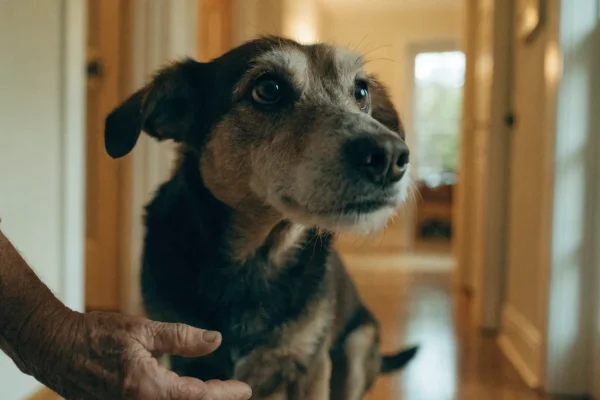
Canine Cognitive Dysfunction: Signs, Stages, and What You Can Do
Canine cognitive dysfunction (CCD) produces symptoms including disorientation, changed sleep patterns, house training regression, reduced interaction, and altered activity levels.…
Everything about living with dogs — care, health, behavior and life with a canine companion.
Canine cognitive dysfunction (CCD) produces symptoms including disorientation, changed sleep patterns, house training regression, reduced interaction, and altered activity levels.…
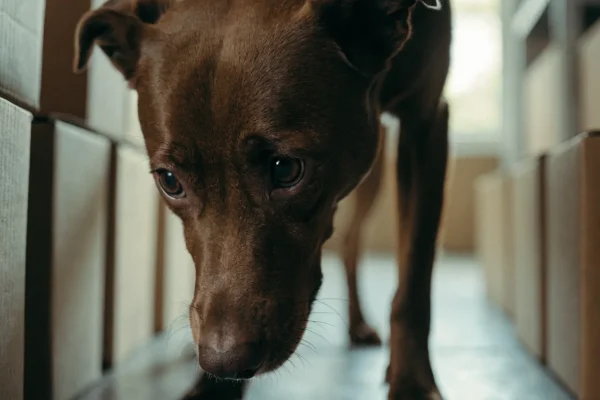
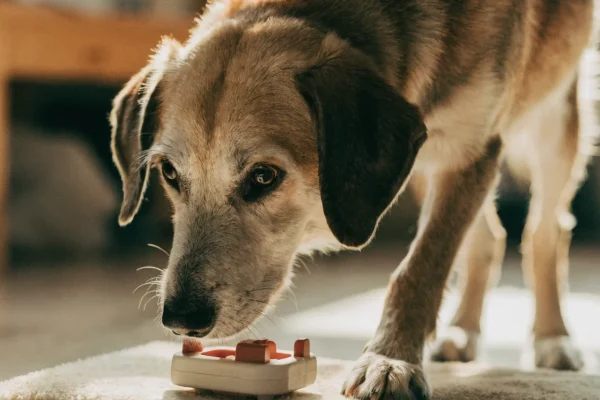
Senior dogs benefit from enrichment that engages their senses — particularly smell — without excessive physical demand. Nosework, snuffle mats,…
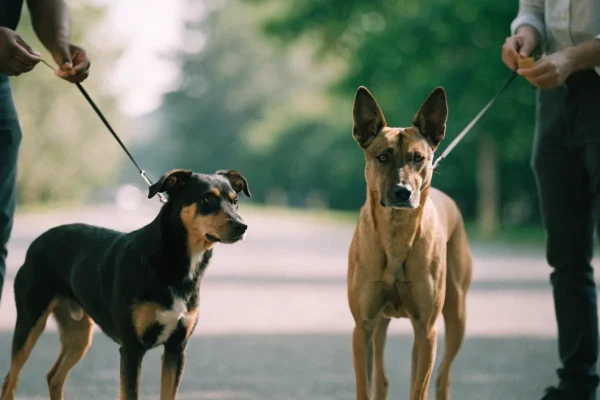
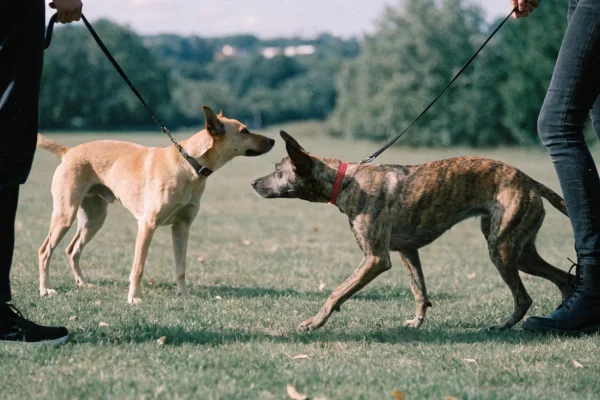
The safest introduction protocol starts on neutral territory — not your home — with both dogs on leash at a…
Resource guarding between dogs is triggered by competition — food, high-value toys, resting spots, and access to people are the…
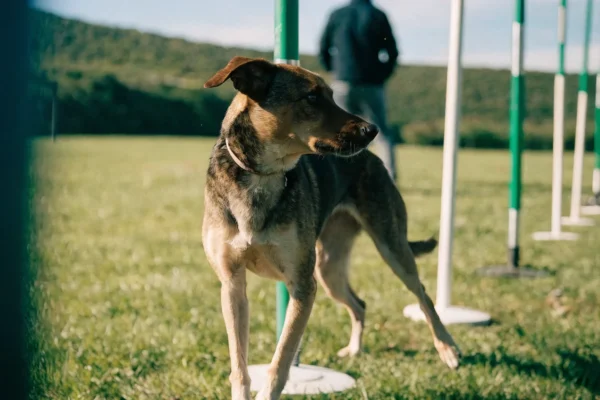
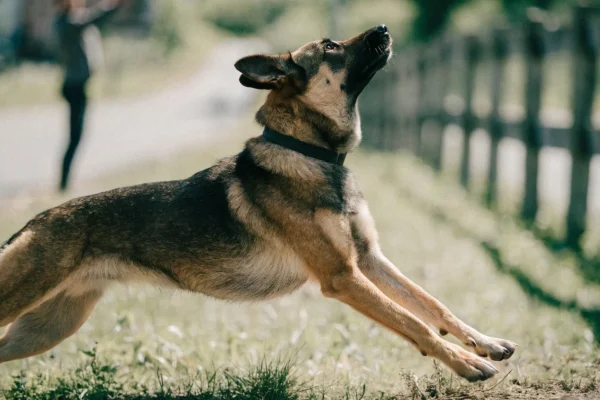
Getting started in dog agility means building three foundational skills first: focus on the handler, obstacle confidence (approaching and interacting…
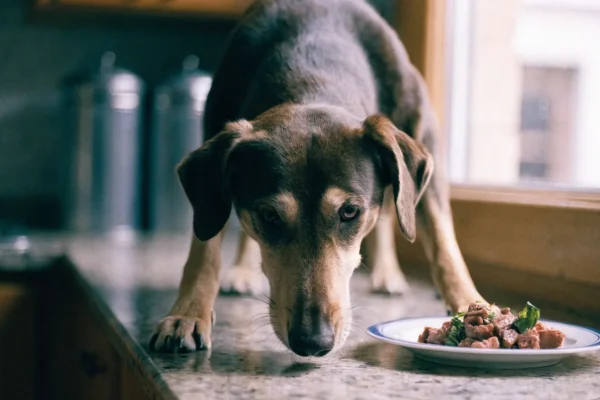
Counter surfing is stopped by management (never leaving food accessible on counters) and teaching an incompatible behavior. Because counter surfing…
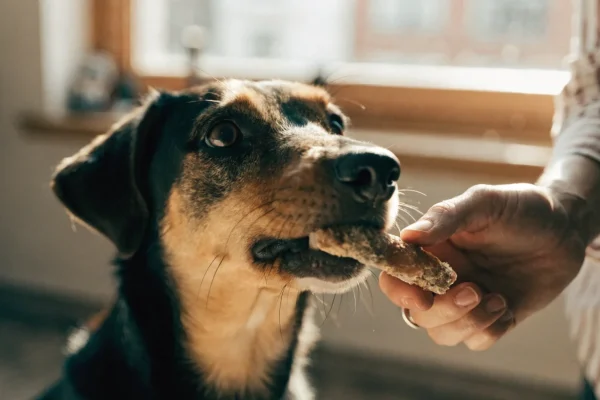
Mouthing in adult dogs is addressed by ending all interaction immediately and consistently the moment teeth contact skin — no…
Dog-on-dog aggression is managed through threshold management (keeping dogs below the distance that triggers reactivity), counterconditioning (pairing the presence of…